


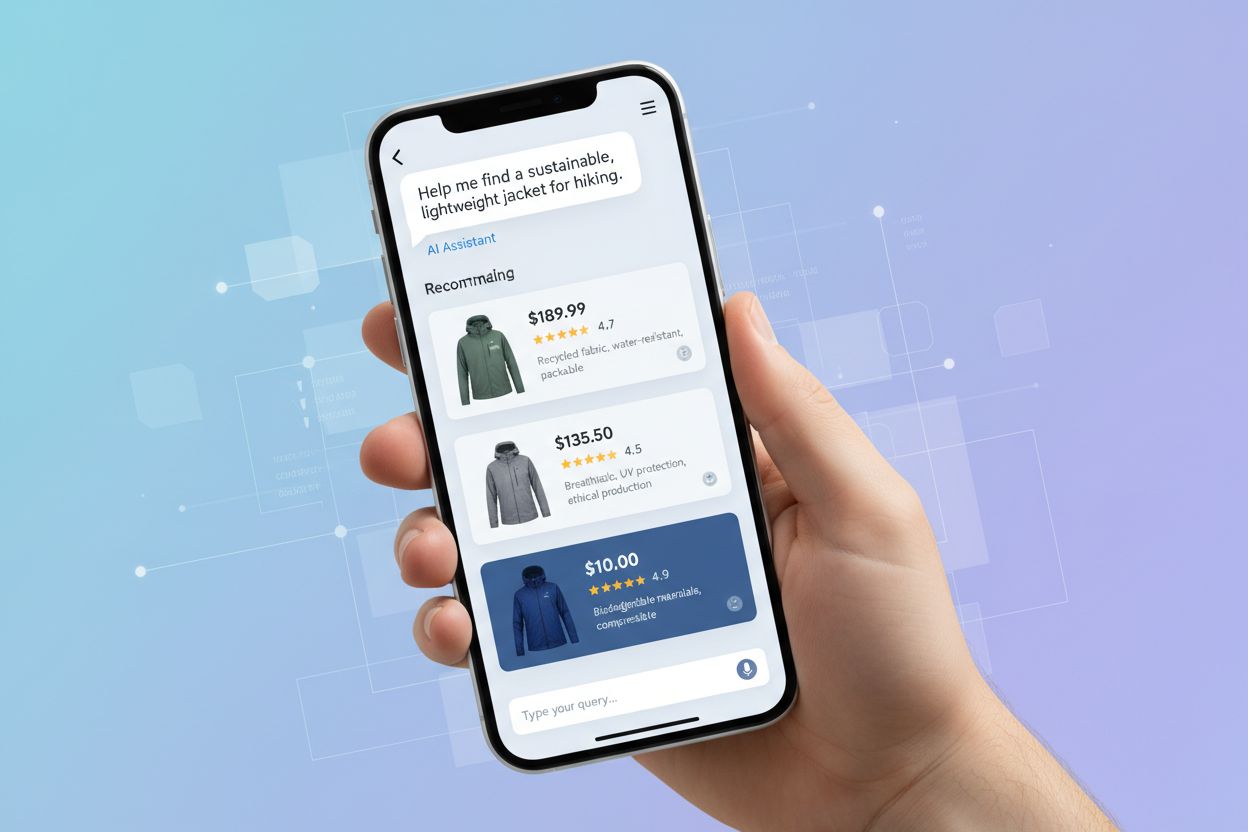
Perplexity Shopping
Learn what Perplexity Shopping is, how it works, and how it's transforming e-commerce discovery with AI-powered product recommendations and conversational searc...
8 min read
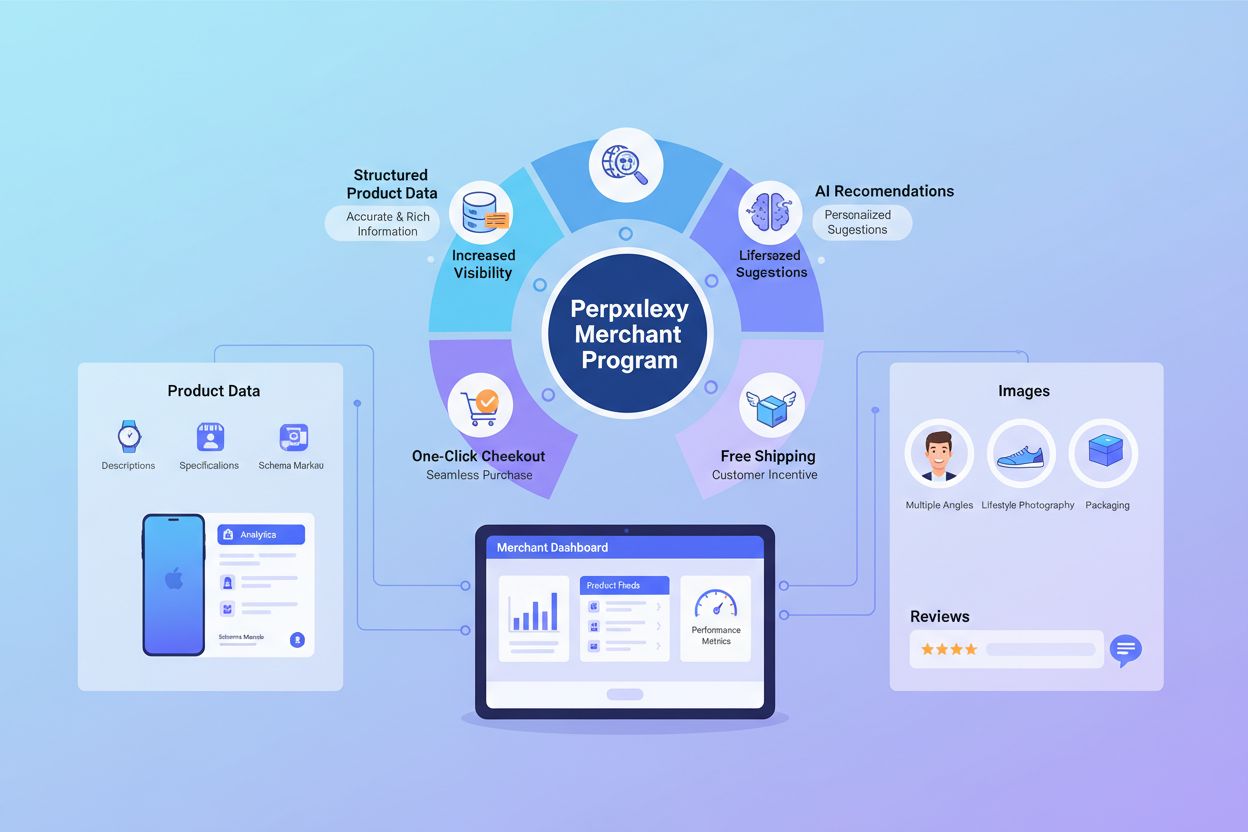
A complete guide to optimizing your ecommerce store for Perplexity Shopping: merchant program signup, product data structuring, reviews, conversational SEO, and measuring ROI.
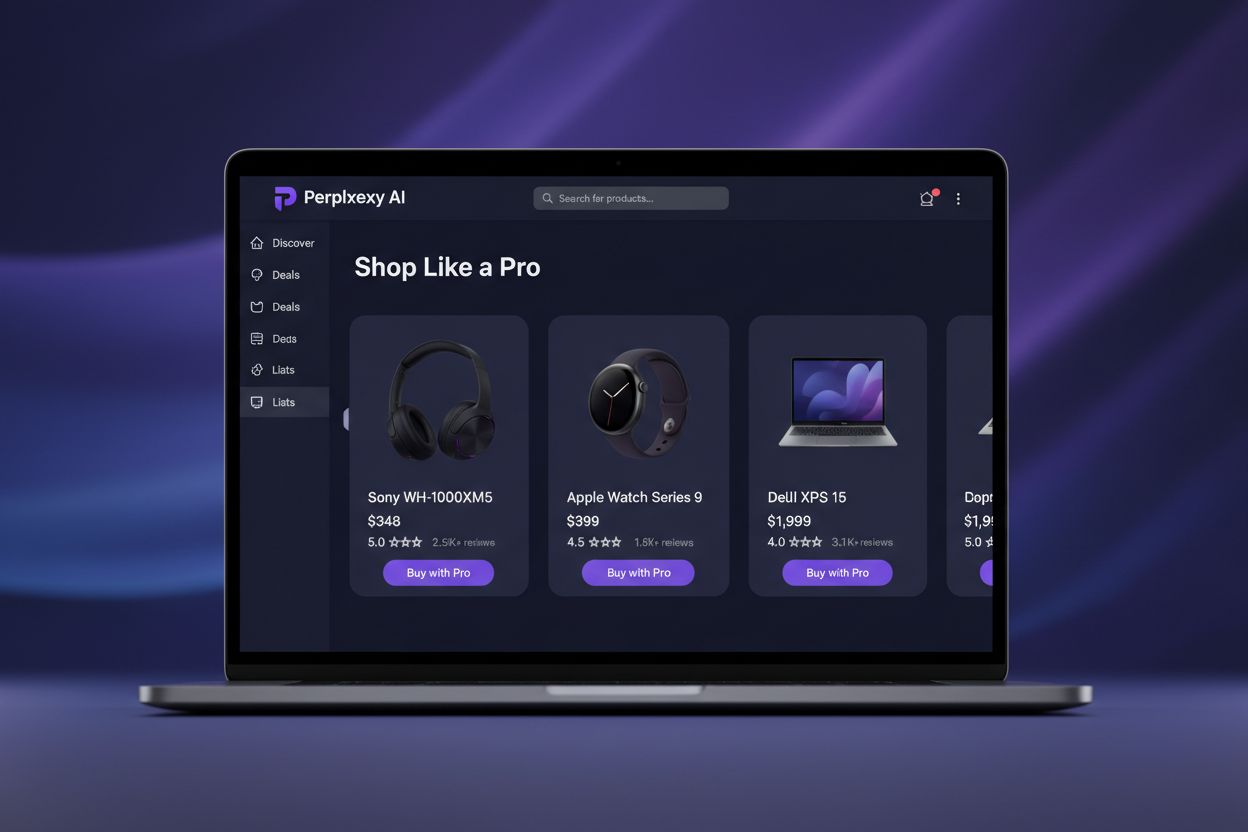
Perplexity Shopping is an AI-powered product discovery platform that represents a fundamental shift in how consumers find and purchase products online. Unlike traditional keyword-based search engines that return lists of links, it uses conversational natural language processing to understand what shoppers actually mean when they ask questions, then surfaces curated recommendations with clear source citations. This guide covers the full breadth of optimizing your store for that experience — the merchant program, your product data, reviews, and content strategy. Perplexity Pro subscribers also get access to Shop Like a Pro , a premium layer of one-click checkout and visual search on top of this base experience; if you want the mechanics of that specific feature, our dedicated guide covers it in depth.
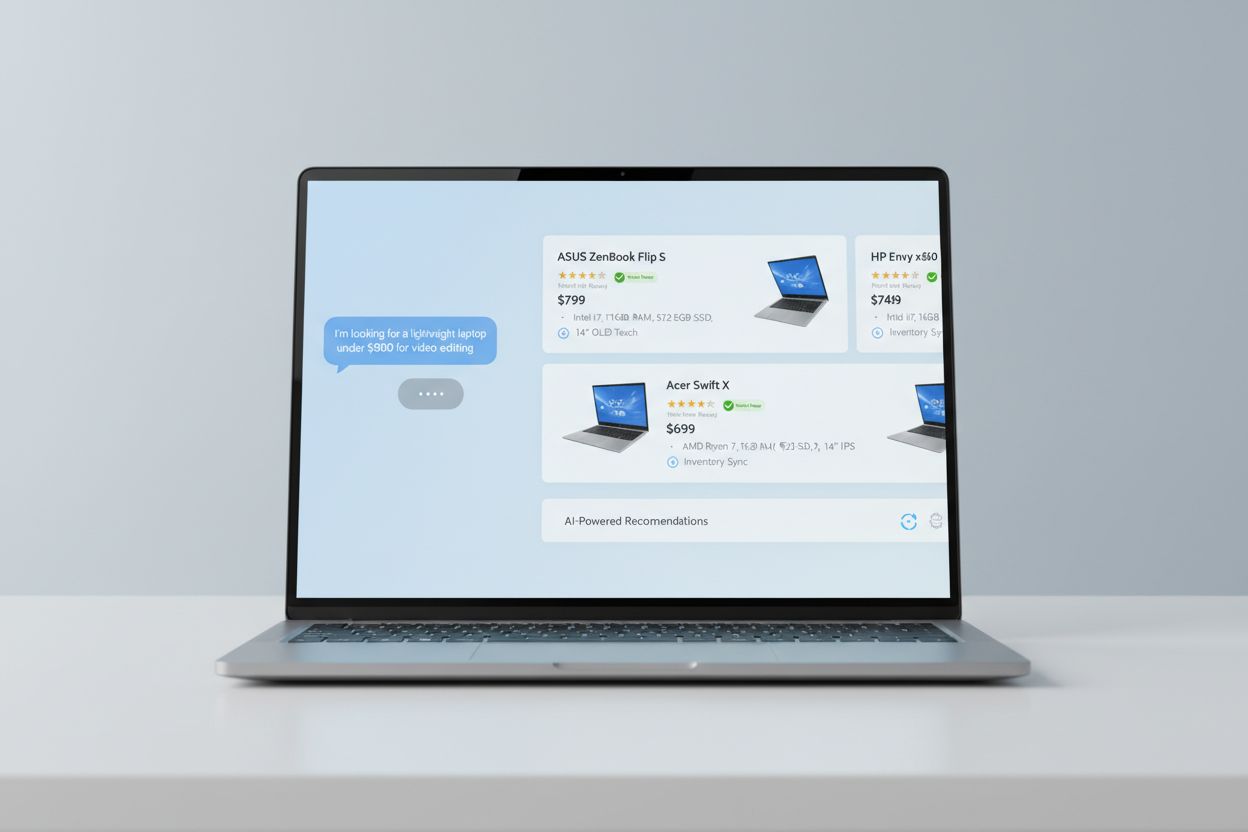
Perplexity’s recommendation engine works by combining natural language understanding with real-time product data aggregation. When a shopper asks something like “what are the best wireless headphones for travel under $200?”, the AI analyzes the intent behind the query, searches structured product data from sources including Shopify, Amazon, and third-party feeds, and returns a curated set of results with source citations attached. It evaluates pricing, specifications, availability, reviews, and seller ratings to generate recommendations that feel tailored rather than generic. The engine is also good at cross-selling — a search for a laptop might surface complementary cases or accessories alongside it — which rewards merchants whose full catalog, not just a single hero product, is well structured. Your competitive position in these recommendations depends heavily on how complete and differentiated your product data is compared to competitors covering the same category, which is why data quality (covered below) matters more here than in a traditional keyword-ranked search result.

Track how AI chatbots mention your brand across ChatGPT, Perplexity, and other platforms.
Understanding how Perplexity Shopping compares to other discovery channels helps you prioritize where to invest optimization effort:
| Feature | Perplexity Shopping | Google Shopping | Amazon |
|---|---|---|---|
| Search Type | Conversational AI with intent understanding | Keyword-based with paid placements | Keyword-based with seller ratings |
| Checkout | One-click via Buy with Pro (Pro subscribers) | Redirects to retailer site | Direct Amazon checkout |
| Ad-Free Environment | Yes, no sponsored results | No, includes ads | No, includes sponsored listings |
| Source Transparency | Clear citations for every recommendation | Limited source visibility | Seller information only |
| Visual Search | Snap-to-Shop feature available | Limited visual search | No native visual search |
The ad-free, citation-based model means your products compete on data quality and relevance rather than advertising spend — a meaningfully different game than either Google Shopping or Amazon, where budget and seller reputation carry more weight.
The Perplexity Merchant Program is a free initiative that lets ecommerce brands share their product data directly with Perplexity’s AI shopping engine. Signing up is straightforward: visit Perplexity’s site, scroll to the merchant portal at the bottom of the shopping page, and complete a short form with your brand and catalog information. Once approved, your product catalog becomes indexed by Perplexity’s systems, and you gain access to a merchant dashboard with performance analytics. It’s worth being clear that this is not a paid placement program — visibility is earned through data accuracy, product quality, and relevance to what shoppers are actually asking, not advertising budget. That merit-based structure means a smaller brand with excellent, complete product data can outcompete a larger retailer with a sloppier feed.
Get the latest insights on AI mentions, brand monitoring, and optimization strategies.
Structured product data is the foundation everything else in this guide builds on. Perplexity’s AI needs comprehensive, accurately formatted information — specifications, dimensions, materials, colors, sizes, pricing, and availability — to understand your products and match them confidently to shopper queries. Inconsistent formatting, missing fields, or outdated availability data cause the AI to misinterpret your products or skip them in favor of a competitor with cleaner data. Beyond the raw fields, implement schema markup on your website so Perplexity’s crawlers can extract product information reliably; this directly improves your visibility in AI-powered shopping results independent of any manual catalog sync. Proper categorization and attributes (brand, material, size, color) let the AI filter and recommend accurately, and rich media like 360-degree views or short demo videos give the engine additional signal about what your product actually is. Merchants who treat their product feed as a first-class content asset, not an afterthought, consistently see stronger recommendation coverage.
Customer reviews are a critical trust signal in Perplexity’s recommendation algorithm, but the mechanism is broader than reviews on your own site. Perplexity aggregates reviews from multiple platforms — Reddit threads, dedicated review sites, and comparison listicles — to build a credibility profile for each product, and products with coverage across diverse sources are more likely to be surfaced than ones with reviews in only one place. That means encouraging reviews from multiple platforms, not just your storefront, meaningfully expands your visibility in product recommendations. A content strategy built around comparisons, pros/cons breakdowns, and detailed guides that naturally attract third-party citations amplifies this effect further — when authoritative sites mention or review your products, Perplexity’s algorithm treats that as an independent credibility signal, distinct from anything you control directly.

Traditional SEO tactics need to evolve for the age of conversational search, where shoppers ask full questions instead of typing isolated keywords. Optimize for long-tail, question-based phrasing — “what’s the best budget laptop for video editing?” rather than just “budget laptop” — since that mirrors how people actually query Perplexity. Write product descriptions, FAQs, and supporting content in natural, conversational language rather than keyword-stuffed copy, and structure everything with clear headings and bullet points so both the AI and human readers can parse it quickly. This is also where the quality of product information you provide compounds: a well-written, naturally structured description does double duty as both a conversion asset for human shoppers and a training signal for how accurately the AI represents your product in its answers.
Your merchant dashboard is the starting point for understanding performance: track impressions (how often products appear), clicks, conversions, and traffic sources attributed to Perplexity specifically, separate from your other channels. Look at performance by product category to spot which parts of your catalog are resonating and which need better data or imagery. Watch search trend and keyword data inside the dashboard to understand the actual language shoppers are using to find you, and feed that back into how you write descriptions. If you’ve also set up the Buy with Pro checkout feature for Pro subscribers, track its conversion numbers separately, since one-click purchases typically convert at a different rate than your standard flow. For a full cross-platform view — not just Perplexity but ChatGPT, Google AI Overviews, and others — a dedicated monitoring platform gives you continuous visibility instead of manual dashboard checks.
Perplexity Shopping is still expanding, with the platform planning to extend beyond its current market to reach more international shoppers — early optimization now positions you for that growth rather than playing catch-up later. Expect deeper integrations with additional ecommerce platforms, payment processors, and logistics providers over time, along with recommendation models that get more accurate and personalized as more merchants provide comprehensive product data. The platform’s 40%+ month-over-month growth suggests the market is still in an early-adoption phase, which means merchants who invest in clean data, strong reviews, and conversational content now are positioned to establish a lead before the channel matures and competition intensifies.
Viktor Zeman is a co-owner of QualityUnit. Even after 20 years of leading the company, he remains primarily a software engineer, specializing in AI, programmatic SEO, and backend development. He has contributed to numerous projects, including LiveAgent, PostAffiliatePro, FlowHunt, UrlsLab, and many others.

Track how your products appear across Perplexity Shopping, Google AI Overviews, and other AI platforms. Get insights into your AI-powered search visibility and stay ahead of the competition.
Learn what Perplexity Shopping is, how it works, and how it's transforming e-commerce discovery with AI-powered product recommendations and conversational searc...
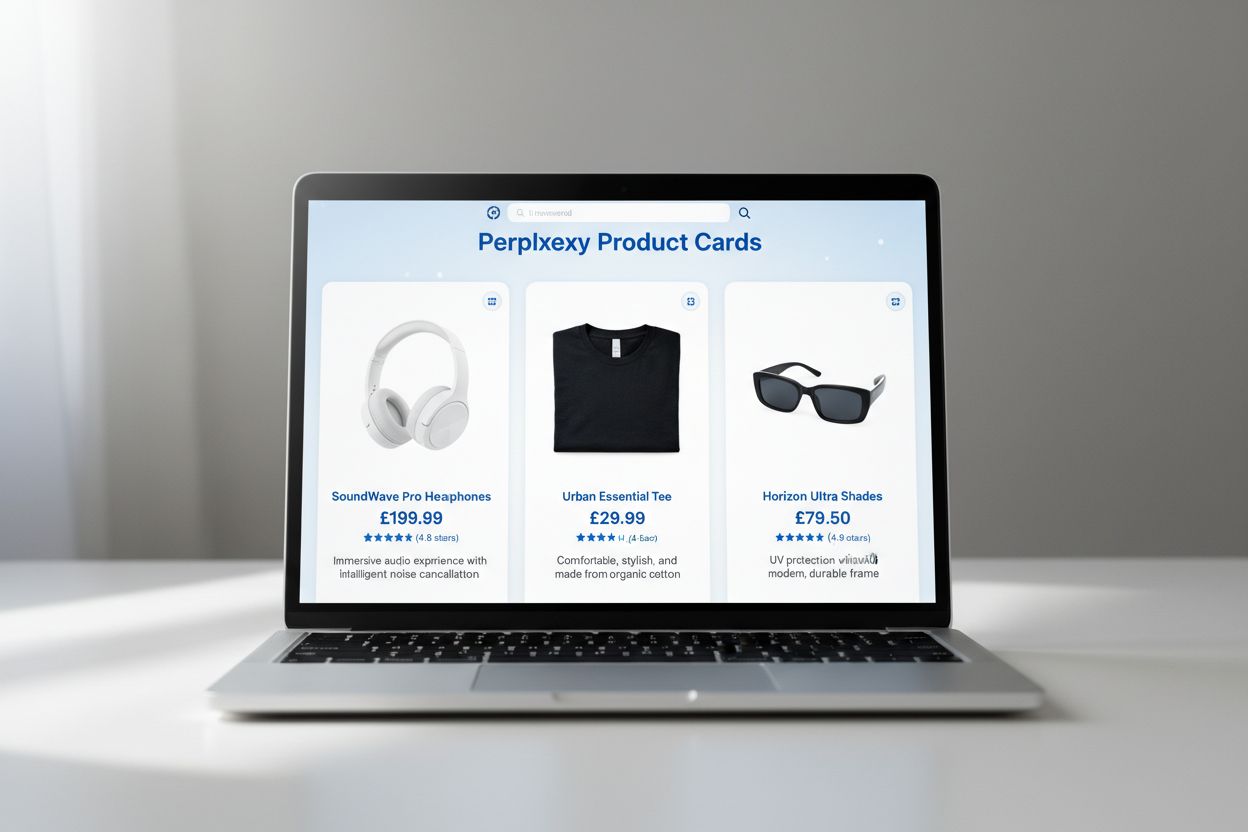
Learn how to optimize your products for Perplexity product cards and get featured in AI-powered shopping results. Complete guide for e-commerce merchants.
Learn about Shop Like a Pro, Perplexity's AI shopping assistant featuring verified products, detailed specifications, real-time price comparison, and integrated...
Cookie Consent
We use cookies to enhance your browsing experience and analyze our traffic. See our privacy policy.