



How to Optimize for Voice-Based AI Assistants: Complete Strategy Guide
Learn how to optimize your content for voice-based AI assistants like Google Assistant, Siri, and Alexa. Discover conversational keywords, featured snippets, lo...
14 min read

Learn how to optimize your brand for device-based voice assistants like Alexa, Siri, and Google Assistant: smart speaker mechanics, Skills and Shortcuts, local search, and voice commerce.
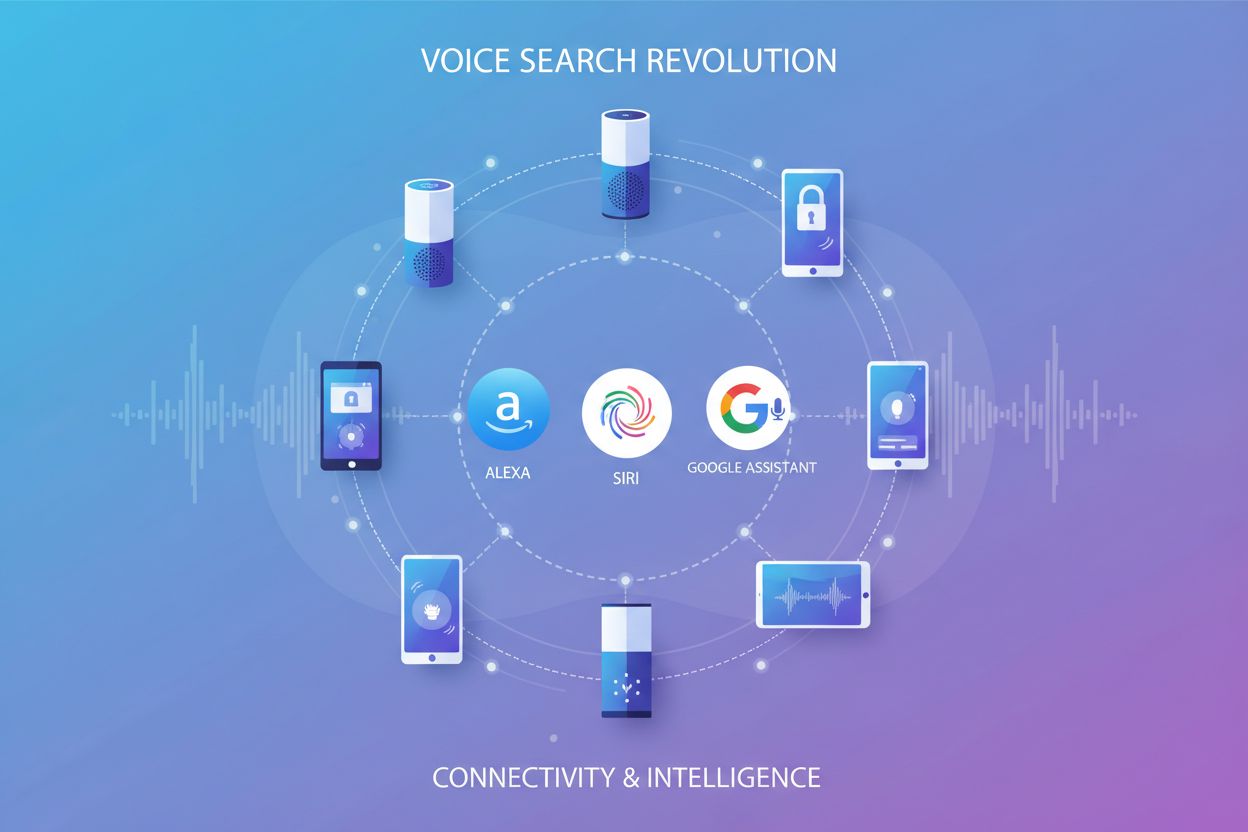
Voice assistants embedded in physical devices, Amazon’s Alexa, Apple’s Siri, and Google Assistant, have fundamentally changed how consumers discover local businesses and brands, with over 8 billion of these devices now in active use globally. Unlike a browser tab where a user can compare several search results side by side, a smart speaker or phone-based assistant delivers exactly one spoken answer, so the competition for that single answer is intense and platform-specific. This piece focuses on the device layer: how Alexa, Siri, and Google Assistant source their answers, how to get your business listed and integrated on each, and how to measure the results. For the query-pattern side of voice optimization, how conversational phrasing, featured snippets, and semantic search work across any assistant, see voice search optimization for AI assistants .

Track how AI chatbots mention your brand across ChatGPT, Perplexity, and other platforms.
Treating “voice assistants” as a single optimization target is a mistake, because each of the three dominant device-based assistants lives in a different ecosystem with different data sources and different rules for third-party integration. Alexa is built around Amazon’s own Skills marketplace and Echo smart speaker line, so brands wanting a rich Alexa presence generally need a published Skill in addition to solid local listings. Siri is tied tightly to Apple’s device ecosystem (iPhone, HomePod, CarPlay) and leans on Siri Shortcuts for brand-specific voice actions rather than an open skills marketplace. Google Assistant draws directly on Google’s own search index and Business Profile data, which means the same local listing hygiene that helps you in Google Search also feeds Google Assistant’s spoken answers. The practical takeaway: a brand that only optimizes for one of these three assistants is invisible on the other two, no matter how strong that single integration is. Voice search on a device is only ever as good as the underlying business data each assistant can find, which is why the sections below focus on getting that data right platform by platform.
Local search optimization has become inseparable from smart speaker success, as a significant portion of device-based voice queries contain local intent: users asking for nearby businesses, hours of operation, directions, or contact information. Claiming and fully optimizing your Google Business Profile is foundational, as this is where Google Assistant pulls critical business information including address, phone number, hours, photos, and customer reviews, and it strongly influences what Alexa and Siri can find as well. Beyond basic business information, brands should actively work to build and expand their knowledge panels, which are essentially rich information cards that appear when users ask a smart speaker about your brand by name. These panels can include your website link, business description, key products or services, founding information, leadership team members, and most importantly, recent customer reviews and ratings. Well-structured FAQ sections addressing common location-based questions (“What time do you open on Sundays?”) give all three assistants clean, extractable answers to read aloud. Generating positive customer reviews and encouraging engagement on local listings directly impacts your authority in voice search results, as voice assistants prioritize businesses with strong review signals when answering location-based queries. Additionally, maintaining a unified business name strategy across all platforms and locations (ensuring consistency between your official branding, how customers colloquially refer to your business, and what appears in local listings) reinforces name recognition and makes it more likely that a smart speaker will surface your business when users mention your brand by name.
Get the latest insights on AI mentions, brand monitoring, and optimization strategies.
Beyond optimizing for organic local voice results, brands can build direct relationships with users through dedicated voice assistant integrations that make their services immediately accessible through voice commands. Amazon’s Alexa Skills, Google’s Actions, and Apple’s Siri Shortcuts allow brands to create custom voice experiences that simplify common customer tasks into single-command interactions. For example, a bank can develop an Alexa Skill that allows customers to check account balances, transfer funds, or report fraud simply by saying “Alexa, ask my bank for my account balance,” while a restaurant can create a Google Action that enables voice-based reservations and order placement. These integrations provide substantial benefits: they increase brand visibility by appearing directly in each assistant’s interface, create habit-forming engagement by making routine tasks frictionless, and generate valuable first-party data about user preferences and behaviors. Real-world examples demonstrate the power of this approach: companies like Domino’s Pizza, Uber, and Capital One have successfully integrated voice ordering and account management features that drive significant transaction volume through voice channels. By developing these direct relationships, brands essentially embed themselves into the daily smart speaker experience, ensuring they remain top-of-mind when users need their services.
The voice commerce market is experiencing explosive growth, with projections showing the global voice commerce market expanding from $42.75 billion in 2023 to $186.28 billion by 2030 (a compound annual growth rate of 24%), signaling that voice-based purchasing through smart speakers and device assistants will become a mainstream transaction channel. Smart speaker adoption continues to accelerate, with approximately 75% of households expected to own smart speaker devices by 2025, creating an enormous installed base of potential customers ready to make voice-activated purchases through Alexa or Google Assistant. Beyond transactional opportunities, emerging trends point toward increasingly personalized AI interactions that learn individual preferences and proactively recommend products or services based on past behavior and contextual signals. Audio advertising represents another frontier, with platforms like Alexa and Google Assistant now offering native audio ad placements that allow brands to insert conversational, contextually relevant messages directly into the smart speaker experience without disrupting the user experience. As smart speaker technology expands beyond the home into cars, wearables, and public spaces, brands that establish strong device-based voice presence and build consumer trust through accurate, helpful information will be positioned to capture disproportionate share of voice-driven commerce and engagement.
Measuring device-based voice assistant performance requires tracking a different set of signals than generic voice search analytics. Skill, Shortcut, and Action usage metrics (invocations, task completions, repeat usage) tell you whether your Alexa Skill, Siri Shortcut, or Google Action is actually being adopted rather than just published. Local search visibility metrics such as Google Business Profile views, direction requests, and phone calls generated through voice queries often precede a store visit and represent direct business impact; the ranking mechanics behind why a particular answer gets read aloud in the first place are covered in our companion piece on voice search optimization for AI assistants . Branded voice search volume (using tools like SEMrush and Ahrefs to estimate how frequently users are searching for your brand by name through voice) rounds out the picture. Competitive analysis is equally important: regularly auditing which competitors have published Skills or Actions in your category, how their local listings compare to yours, and how your brand’s device-based voice visibility stacks up helps identify optimization opportunities and benchmark progress. By combining these measurement strategies with conversion tracking that ties voice interactions to actual business outcomes (whether that’s store visits, phone calls, online purchases, or appointment bookings), brands can calculate true ROI from their Alexa, Siri, and Google Assistant investments and continuously refine their strategy based on data-driven insights.
Yasha is a talented software developer specializing in Python, Java, and machine learning. Yasha writes technical articles on AI, prompt engineering, and chatbot development.

Track how Alexa, Siri, Google Assistant, and other smart speaker platforms reference your brand, from Skills and Shortcuts to local voice queries.
Learn how to optimize your content for voice-based AI assistants like Google Assistant, Siri, and Alexa. Discover conversational keywords, featured snippets, lo...
Learn how to optimize your website for smart speakers and voice search. Discover strategies for conversational keywords, featured snippets, local SEO, and techn...

Learn voice commerce optimization strategies for Alexa, Google Assistant, and Siri. Optimize product content for voice search and increase visibility in voice s...
Cookie Consent
We use cookies to enhance your browsing experience and analyze our traffic. See our privacy policy.