



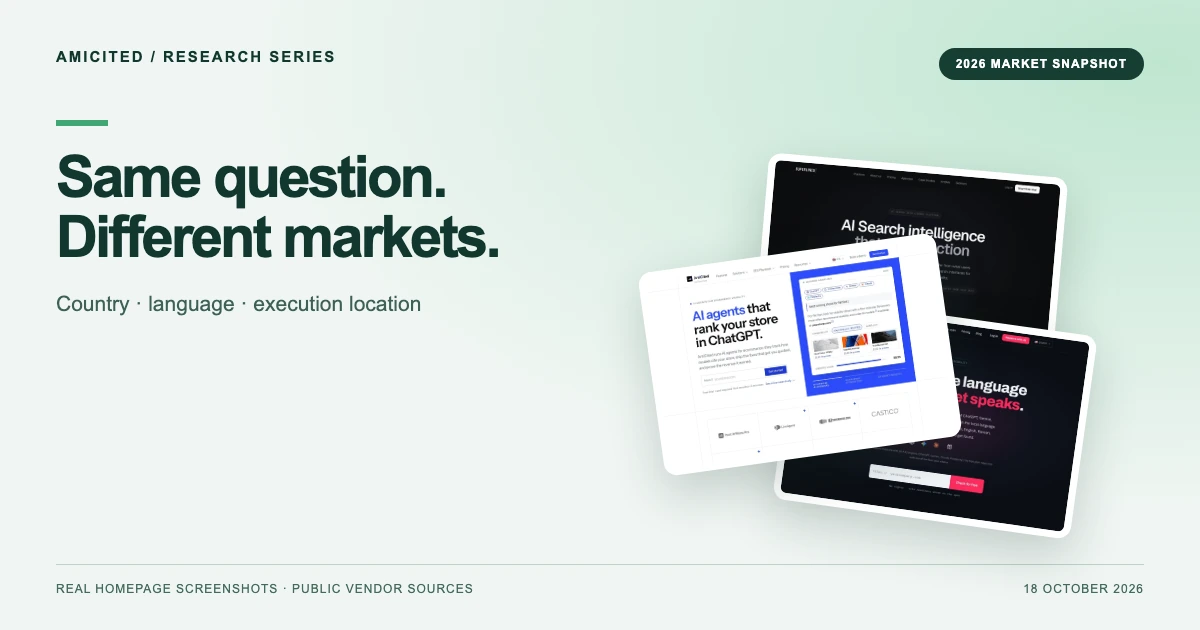
A tool can support Japanese prompts without running its AI query from Japan. A Finnish company can collect answers in France. A platform can have a German operator while offering no German keyword database. These facts are routinely collapsed into a single “countries supported” field, and that makes international GEO comparisons unreliable.
For a multilingual buyer, geography has four separate layers: operator country, database market, physical AI execution location, and language. This article compares AmICited, Peec, Superlines, Waikay, LLMrefs, LLM Pulse, Citadex, and miruAI through those layers.
The findings come from public vendor pages reviewed on October 18, 2026. They describe documented capabilities, not a controlled product test. Unverified coverage is treated as unknown rather than absent.
Why language alone is not localization
Translating “best accounting software” into Japanese changes the text, but it does not guarantee a Japanese user experience. The model may receive a location signal, use a regional interface, consult local sources, or personalize the answer from account history. Currency, availability, regulation, and brand familiarity can all change the recommendation.
Conversely, physical execution from a market is not sufficient if the prompt is an awkward translation. The prompt set needs native search intent, local category names, and realistic constraints. This is why multilingual GEO requires both technical controls and human market knowledge.
Sampling adds another wrinkle. AI answers vary between runs. Country comparisons based on one answer per translated prompt can turn randomness into a strategic story. Ask vendors how often prompts run, whether they repeat samples, which interface or API they use, and whether raw answers remain available.
European platforms with international ambitions
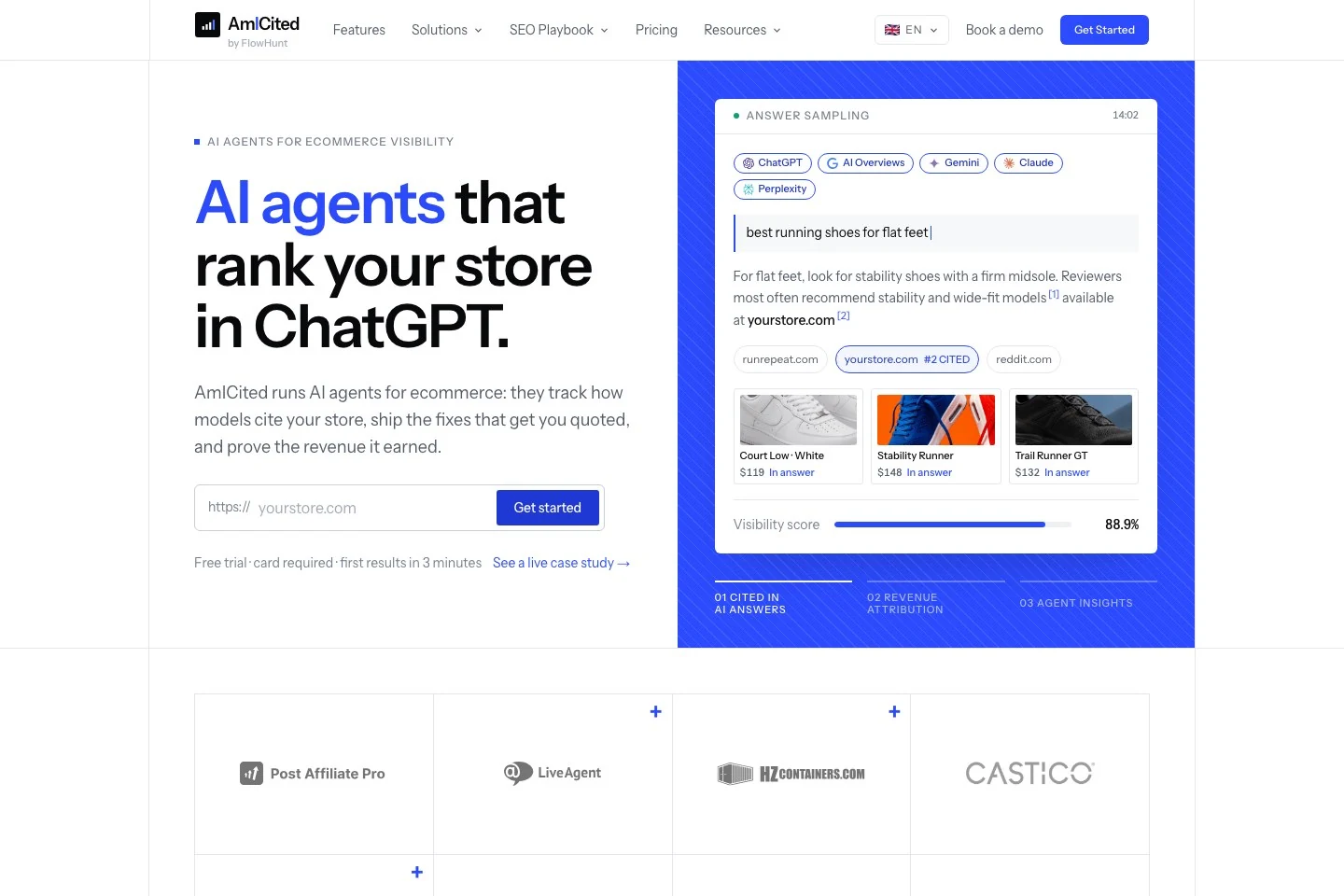
AmICited is operated by Prague-based AiMingle, with related group locations in Slovakia and the United States, according to its about page. Its workflow combines prompt and citation monitoring with competitor, search, agent, content, and connected reporting functions. Market and engine availability varies by plan, so the correct test is a market-language-engine matrix for the intended subscription. Its operator address does not make results inherently Czech or Slovak.
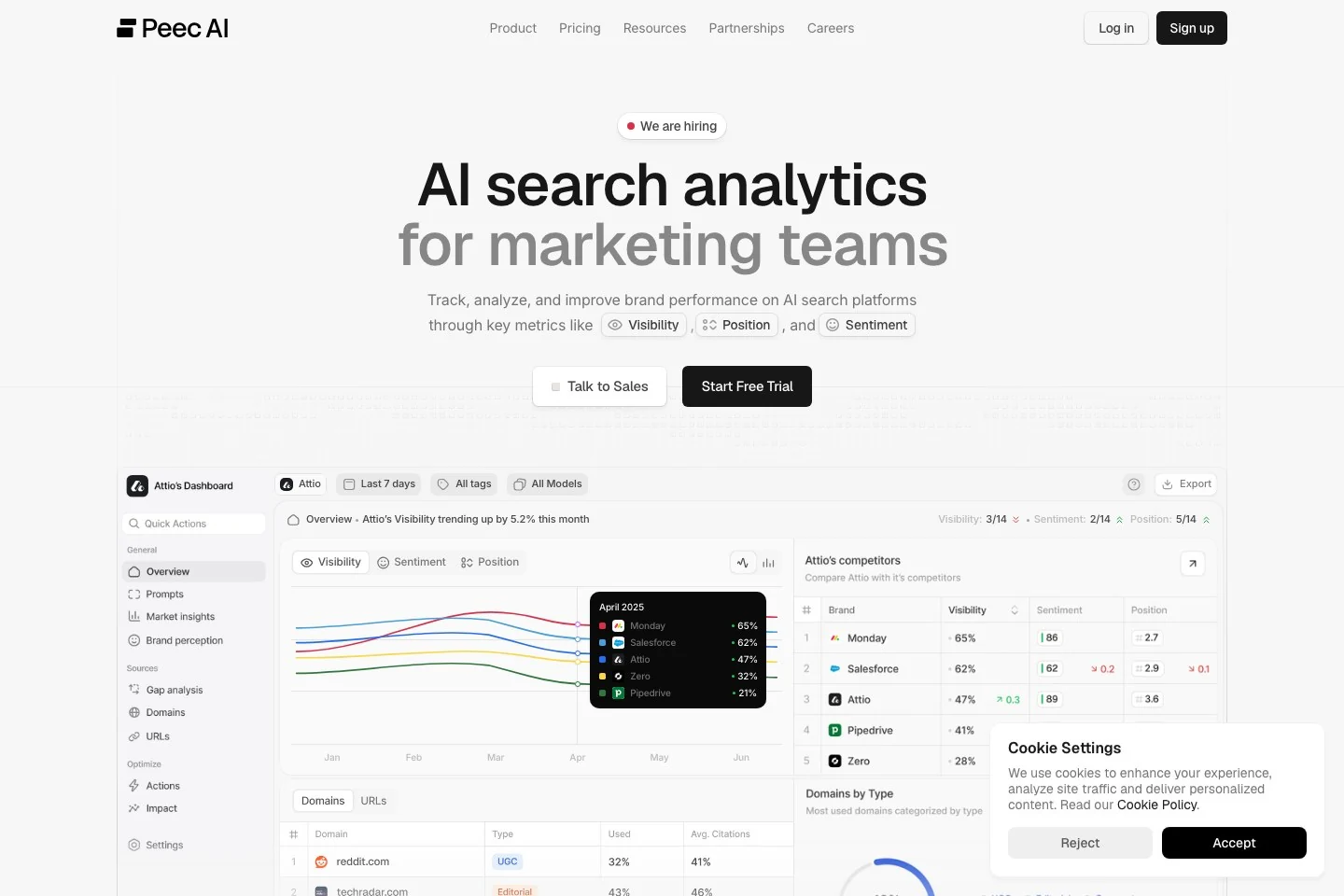
Peec is operated by Peec AI GmbH in Berlin, as its legal imprint confirms. Its pricing materials describe multi-country access on selected plans alongside projects, prompts, active models, and daily refreshes. Peec is a natural candidate for multinational teams seeking a dedicated analytics interface, but buyers should verify the exact country control and collection method rather than infer coverage from “multi-country.”
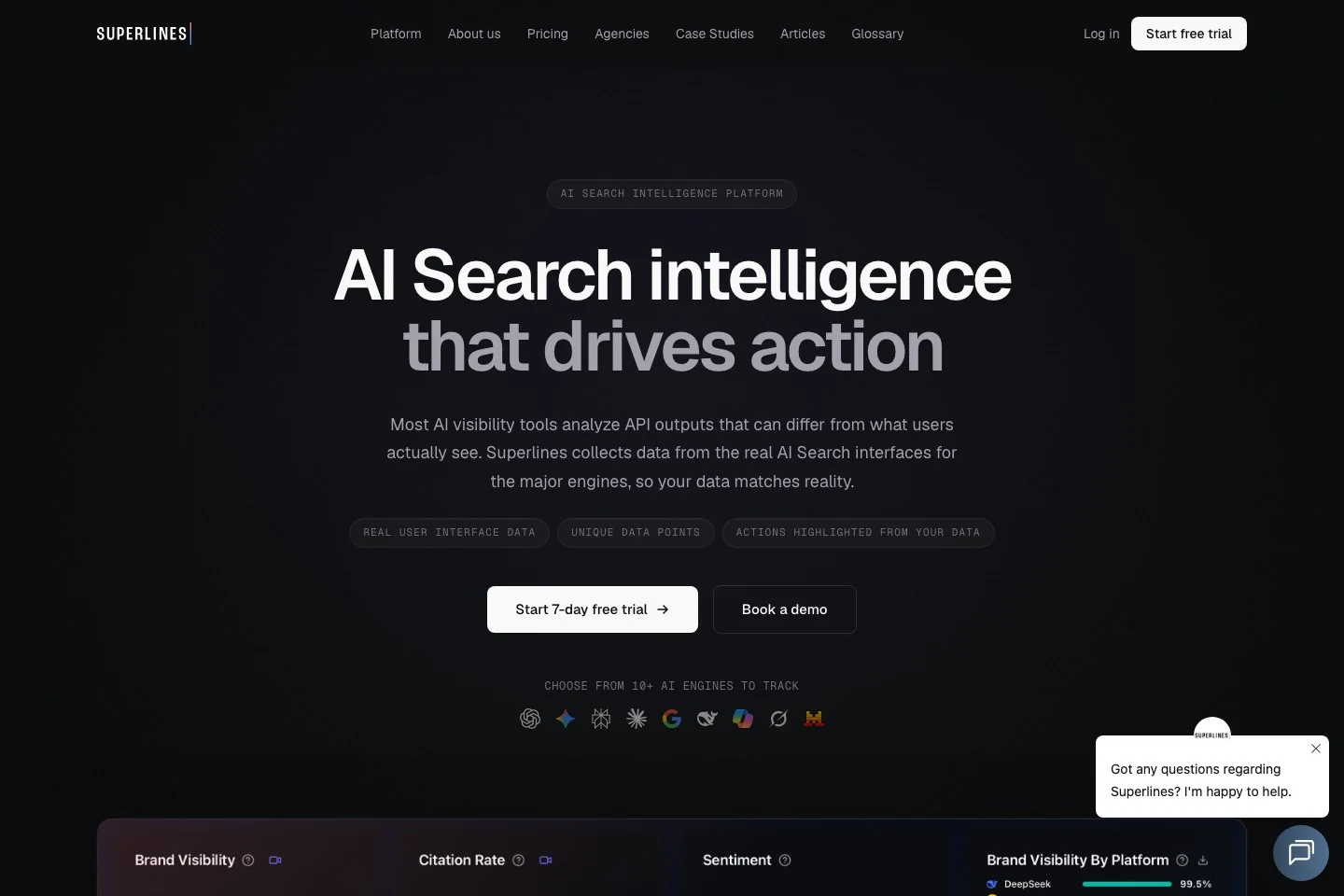
Superlines is run by Finland’s Grew Oy. Its platform description documents market-specific benchmarking across regions and languages and says it collects data from consumer AI search interfaces. It also promotes API and MCP access. That makes it particularly interesting when the methodology and data need to enter enterprise workflows. The claim should still be validated for each target engine and market because interface behavior differs.
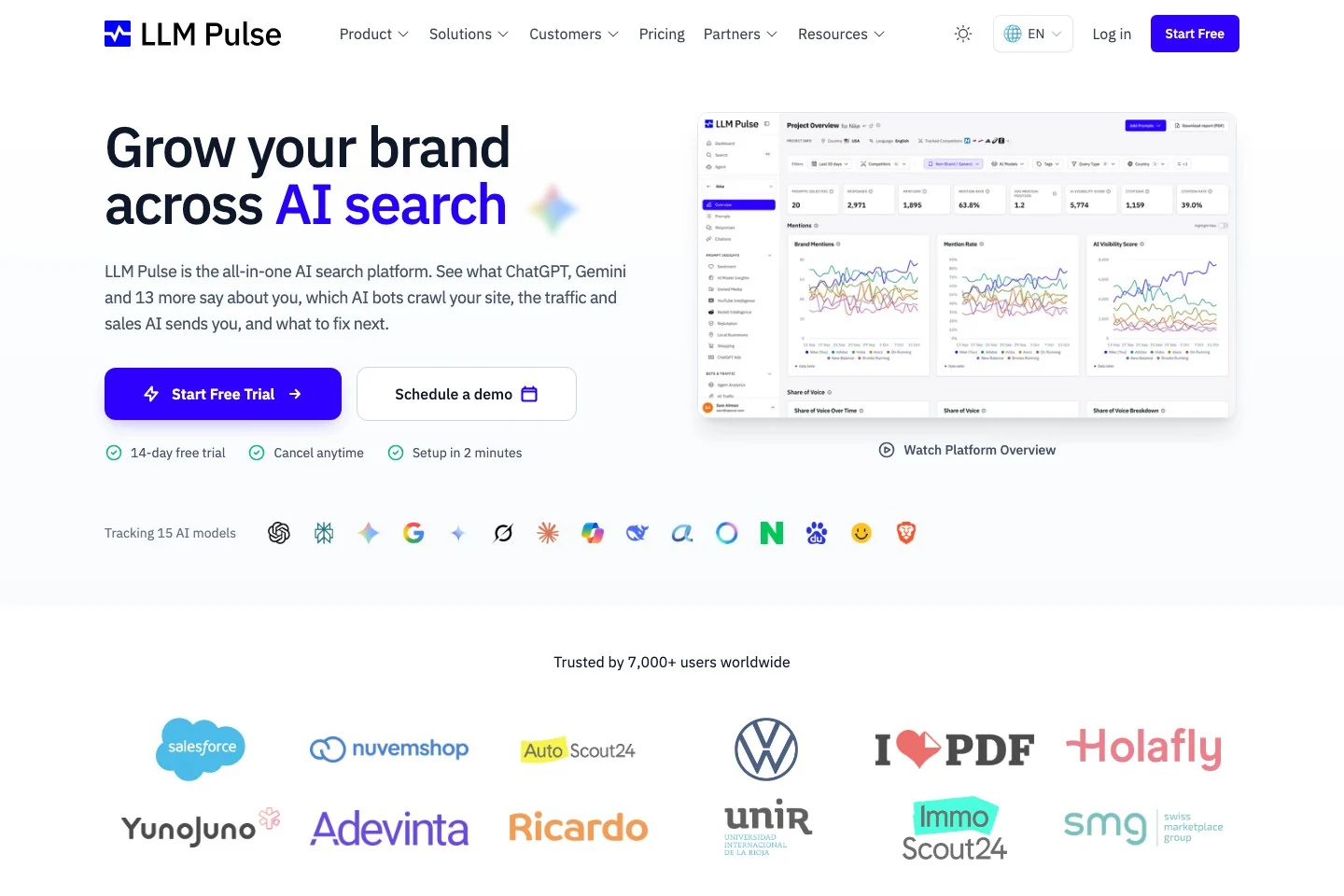
LLM Pulse has a Spanish operator address in Barcelona, documented in its terms. Its public platform spans prompt tracking, citation sources, sentiment, local businesses, shopping, reputation, content, annotations, white-label reporting, and numerous AI models. Breadth is useful to agencies and cross-functional teams; procurement should ask which localization controls apply consistently to each module and engine.
Operator location matters for contracting, data protection, support hours, and sometimes hosting. It does not prove the origin of a sampled answer. European legal entities can offer global collection, and non-European vendors can support European languages. Treat these as separate rows in the requirements sheet.

Ready to Monitor Your AI Visibility?
Track how AI chatbots mention your brand across ChatGPT, Perplexity, and other platforms.
Tools that organize international tracking differently
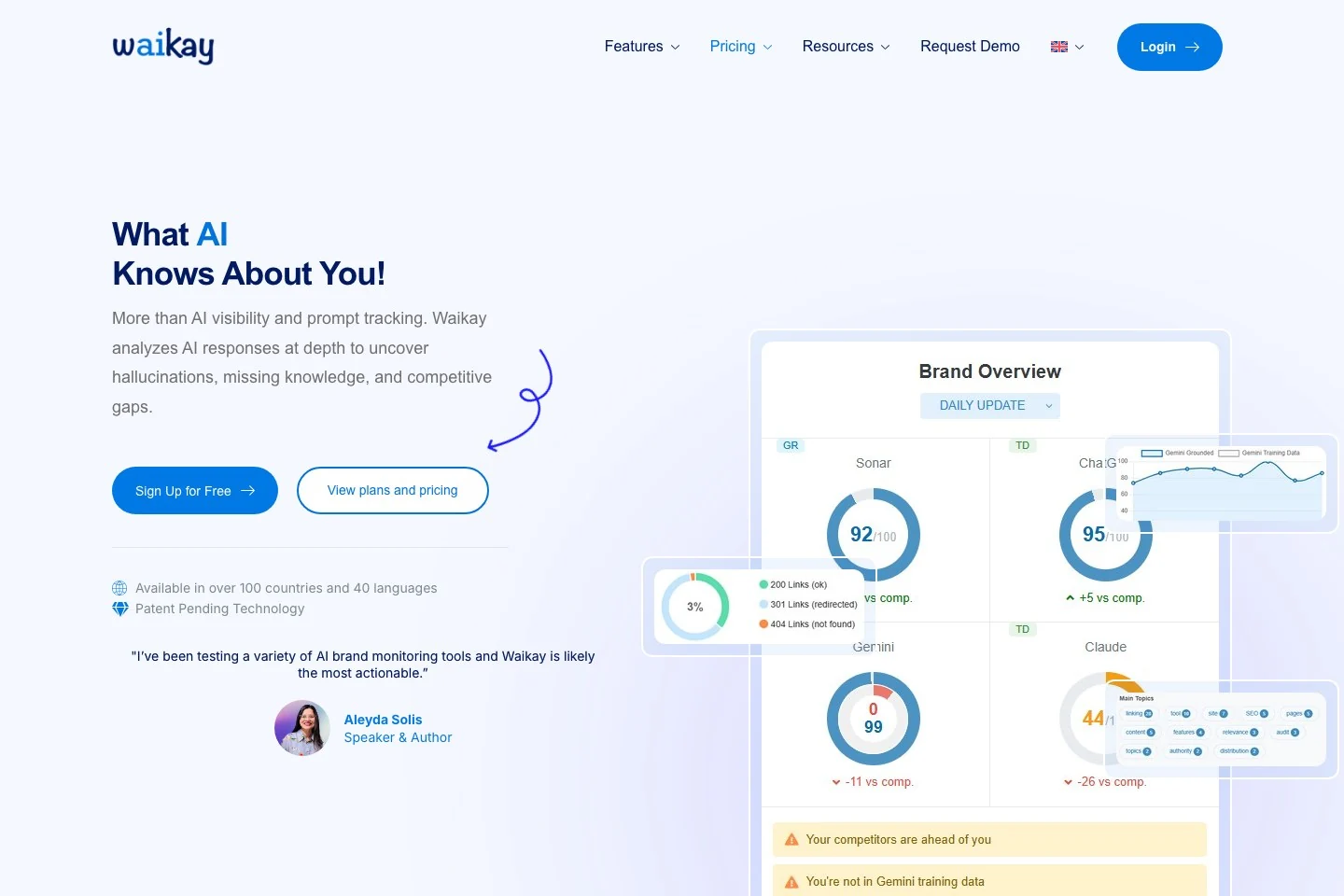
Waikay positions itself around AI search optimization and prompt tracking. It belongs on a multilingual shortlist when teams want a focused view of prompts and brand presence without adopting a broad SEO suite. Public positioning alone does not establish every market’s execution location, so ask for a live demonstration using two prompts whose answers predictably change across countries.
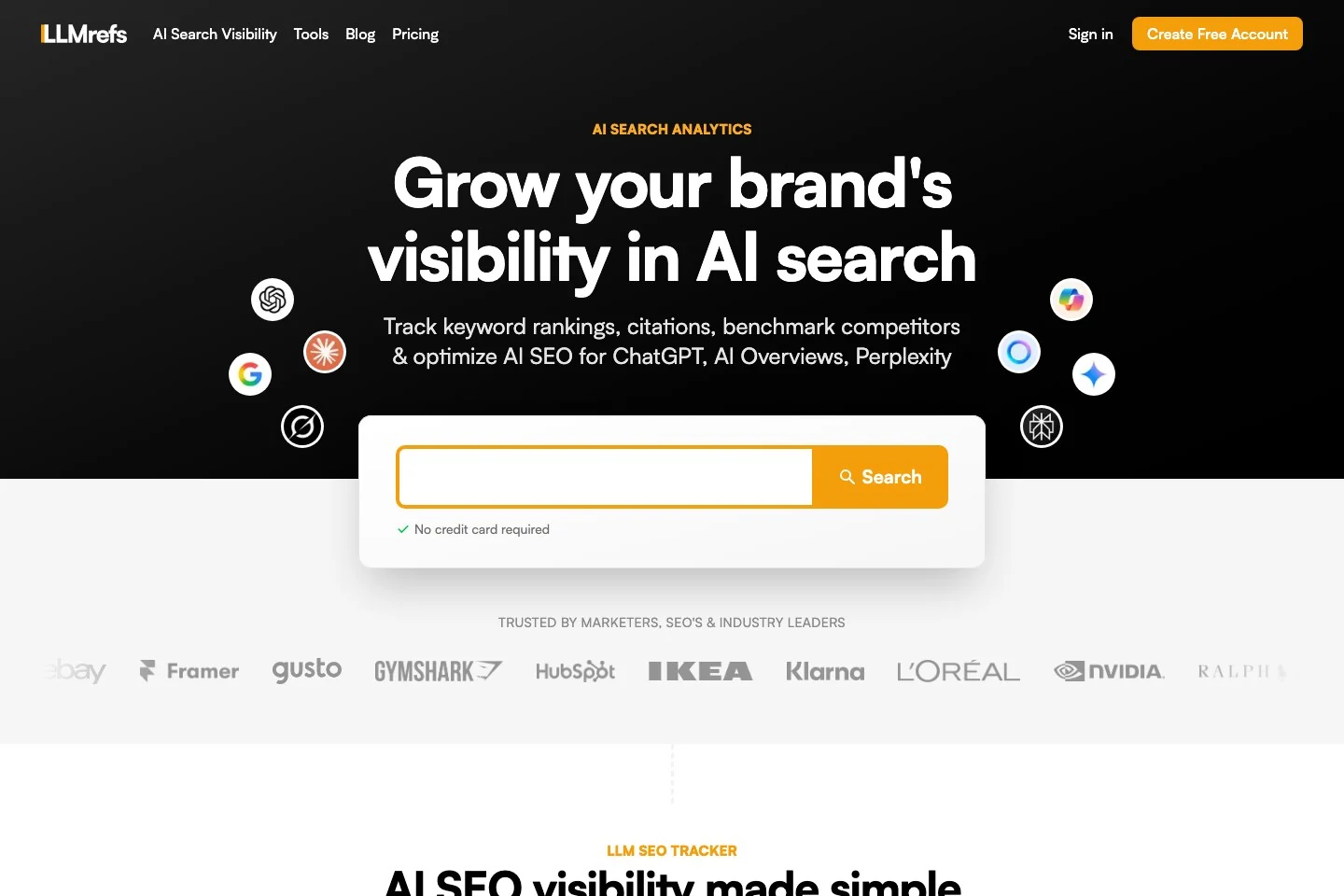
LLMrefs takes a keyword-first approach. Its platform page says keywords expand into conversational prompts and documents geo-targeting across more than 20 countries and more than 10 languages. This can reduce manual prompt maintenance for SEO teams migrating existing keyword sets. It also changes the measurement object: buyers should inspect the generated prompts and their weighting before comparing an LLMrefs score with a manually curated prompt monitor.
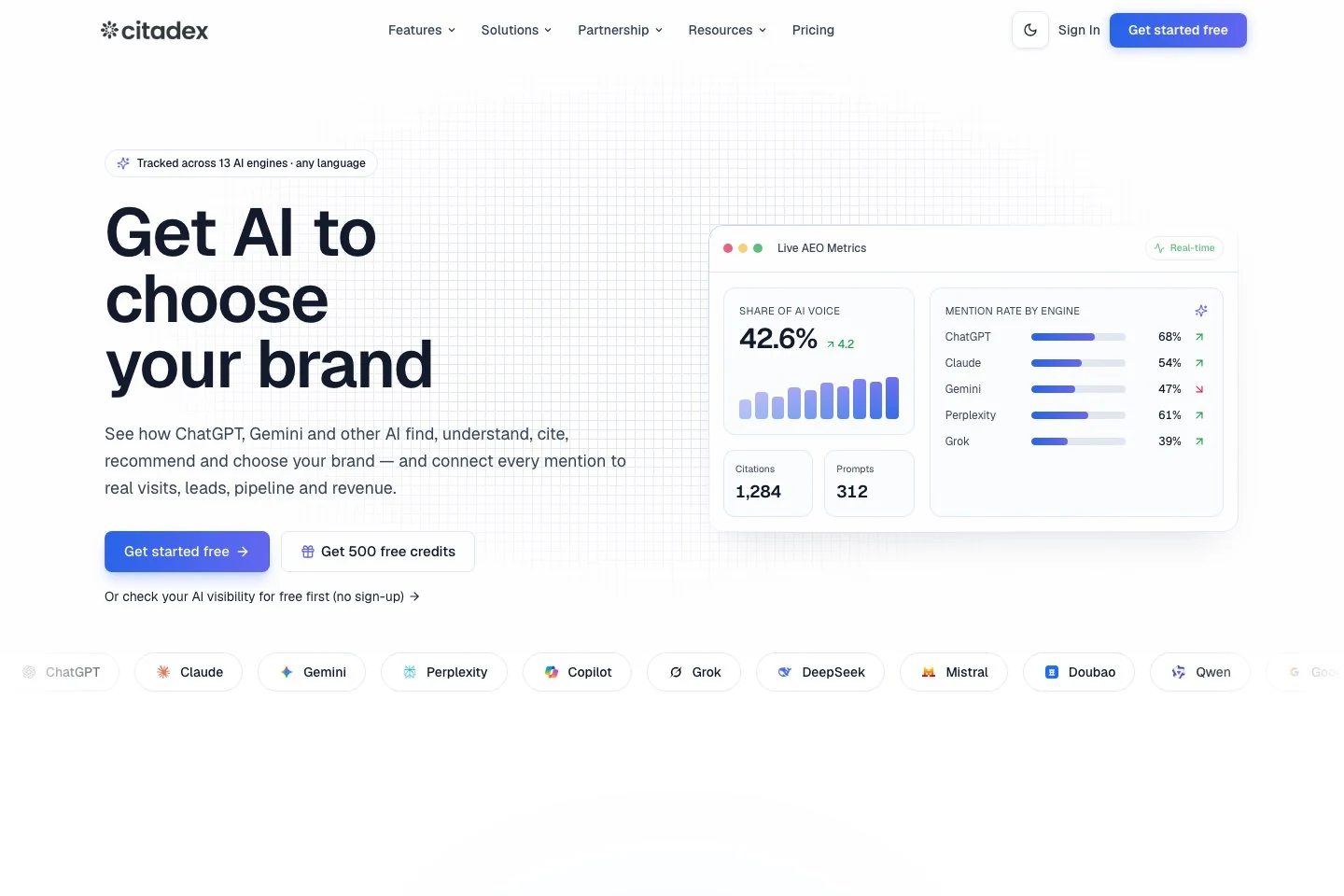
Citadex explicitly models markets. Its multi-market documentation says a market separates region, prompts, scans, and visibility while sharing a knowledge base. That is a useful architecture for brands that know one global average hides meaningful differences. Public help and newer packaging materials were not fully consistent in the reviewed research, so current engine gates, quotas, and pricing need direct confirmation.
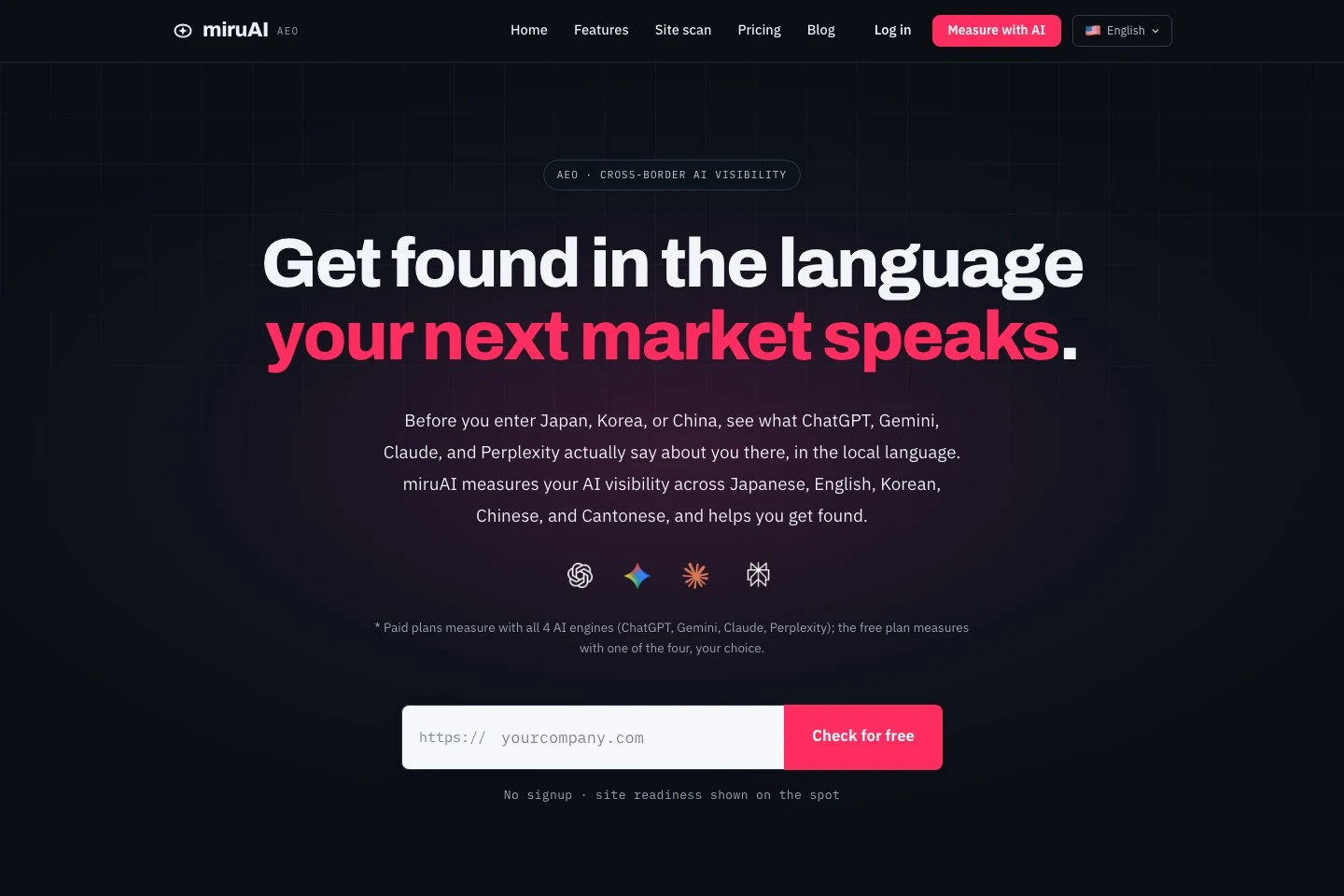
miruAI is built around cross-border visibility in Japanese, English, Korean, Chinese, and Cantonese. Its site documents ChatGPT, Gemini, Claude, and Perplexity as selectable engines. Its pricing unit is especially instructive: a question is prompt multiplied by language, while selected engines do not multiply that question count.
miruAI’s pricing page clearly labels the paid Solo price of ¥9,800 per month and other paid plans as planned estimates that are not final; paid plans are in preparation. The free tier is the available basis for evaluation. Support for Chinese or Japanese text must not be presented as proof that queries execute physically inside China or Japan.
Where AmICited fits in an international stack
AmICited’s position is a monitor-to-action platform rather than a dedicated localization database. It connects prompt and citation evidence to broader research and execution work, while buyers must verify the exact language, engine, schedule, and market controls they need. A central growth team should test whether that shared environment removes handoffs in its actual process.
LLMrefs may be more natural when existing SEO keywords should drive automated prompt expansion. Citadex’s market abstraction is appealing when regions must remain analytically separate. miruAI is unusually explicit about East Asian language combinations, though its commercial plans remain forthcoming. Superlines makes collection from real interfaces central to its pitch. Peec offers the focused analytics shape familiar to dedicated GEO teams. LLM Pulse offers a broad feature surface for reputation, content, and agency use. Waikay is a leaner prompt-tracking candidate.
These are starting hypotheses for a pilot, not final rankings. None of the reviewed public materials justifies a universal winner across every market and engine.
Stay Updated on AI Visibility Trends
Get the latest insights on AI mentions, brand monitoring, and optimization strategies.
A defensible multilingual pilot
Choose three markets with different risks: the home market, a high-value expansion market, and one where language or platform availability changes materially. Recruit a native marketer in each. Start with the same buyer jobs, then localize the intent rather than translating word for word.
Include category discovery, comparisons, local constraints, branded fact checks, and transactional questions. Save the raw response, cited sources, engine, interface or API, account state where known, location, language, timestamp, and repetition number. Review whether the sources are locally authoritative, not merely in the right language.
Run the set repeatedly before any intervention. Then change one group of inputs—site copy, structured data, product feed, location entity, or third-party source—and annotate it. The resulting pattern can support a directional conclusion. It still should not be presented as proof that one edit caused every change in a nondeterministic model.
Finally, normalize cost by the actual workload. A “prompt” may mean one stored question, a prompt-language pair, a keyword expanded into many questions, or multiple engine responses. Our pricing-model comparison explains those denominators. The Czech and Slovak tool comparison adds regional context, while the full SEO/GEO market map shows where these platforms sit among suites, specialists, and commerce tools.
International GEO becomes useful when every data point retains its market context. Keep operator, database, execution, and language separate, and the dashboard can guide decisions instead of flattening them.
 LinkedIn