


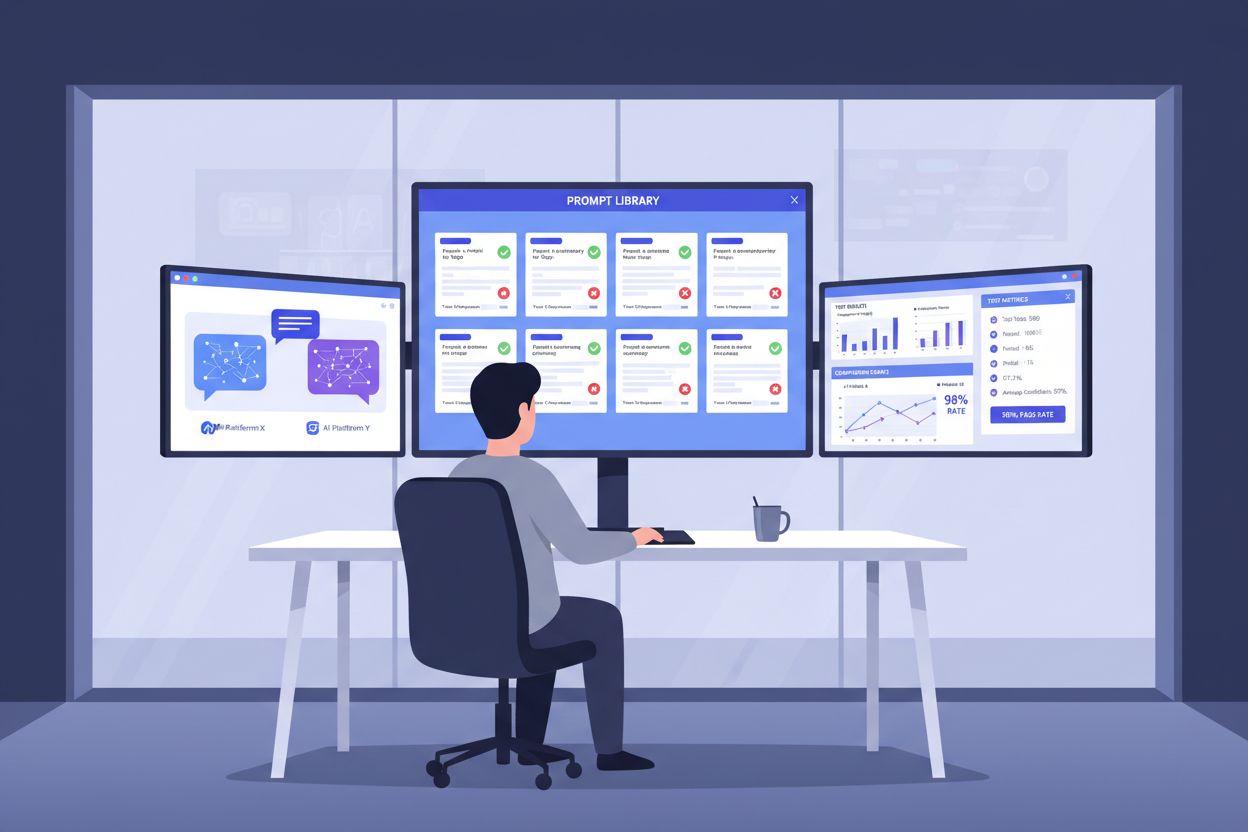
How to Build a Prompt Library for Manual AI Visibility Testing
A step-by-step guide to building and organizing your own prompt library for manual AI visibility testing — a tool-agnostic methodology that works with any platf...
11 min read

Learn how to design a balanced prompt test set for AI visibility, decide when to go manual vs automated, and compare AmICited, Conductor, Profound, and LLM Pulse.
Prompt testing is the discipline of deciding what to ask AI engines and how to interpret what comes back—it’s the layer that sits above execution. Manual prompt testing by hand remains a valid starting point, and if you already know how to run queries against ChatGPT, Perplexity, and Google AI Overviews, our manual DIY testing playbook walks through those exact steps and the tracking spreadsheet. This guide answers a different question: which prompts should you be running in the first place, when should you stop doing it by hand, and which platform should take over once you do? Unlike traditional SEO testing, which focuses on search rankings and click-through rates, AI visibility testing evaluates your presence across generative AI platforms, and the quality of your prompt set determines whether that evaluation is meaningful or misleading. A poorly designed prompt list—too narrow, too branded, phrased like a keyword rather than a question—will underreport your visibility no matter how carefully you document the results.
Not every query is equally useful for measuring AI visibility. A well-constructed prompt reflects how a real buyer actually phrases a question to an AI assistant, not how a marketer would phrase a keyword for Google. Four qualities separate a useful test prompt from a wasted one:
Prompts that fail these checks tend to produce noisy, unrepeatable results—you’ll see swings that reflect prompt wording, not genuine changes in your AI visibility.

Track how AI chatbots mention your brand across ChatGPT, Perplexity, and other platforms.
A single well-written prompt tells you almost nothing; visibility only becomes measurable across a portfolio of prompts built with intentional balance. Follow roughly a 75/25 split between unbranded prompts (industry topics, problem statements, informational queries where you’re competing for discovery) and branded prompts (your company name, product names) so you’re not inflating results with queries you likely already win. Within that unbranded majority, mix intent types deliberately: informational prompts (“What is X?”), comparison prompts (“X vs. Y”), how-to prompts (“How to do X?”), and opinion prompts (“Best X for Y?”) so you capture visibility across the full customer journey rather than a single stage. Include long-tail and multiple phrasings of the same underlying concept—AI engines can return different sources for near-identical questions worded differently, and a test set with only one phrasing per topic will miss that variance. Testing Frequency matters as much as prompt content: revisit and refresh the set quarterly, and re-run stable prompts on a consistent weekly or biweekly cadence so results stay comparable across cycles instead of measuring seasonal topics, discontinued products, or outdated terminology that quietly stopped being useful.
Once your prompt set is built, you still have to decide how to run it. Running even 50 prompts manually across four AI engines means 200+ individual queries, each requiring documentation and screenshot capture—a process that consumes 10-15 hours per cycle, as detailed in our manual testing guide . That cost is fine for an initial baseline or a small, high-priority prompt set, but it breaks down as your test set grows: human testers introduce inconsistency in how they document results, struggle to sustain the cadence needed to spot trends, and can’t aggregate data across hundreds of prompts to surface patterns. Automated AI visibility tools remove that ceiling by continuously submitting your prompt set to AI engines on a schedule you define—daily, weekly, or monthly—and aggregating structured results into dashboards. The right moment to switch is usually when your prompt set exceeds what you can realistically re-test by hand every 2-4 weeks, or when you need to correlate visibility changes with specific content updates in near real time rather than after the fact.
Get the latest insights on AI mentions, brand monitoring, and optimization strategies.
Once results start coming in, the goal is to judge whether your prompt set—not just your content—is producing signal against the right AI visibility metrics. A prompt that returns “no mention” every cycle across every engine is telling you one of two things: either it’s one of the prompts your company genuinely never gets cited for—a real content gap worth closing—or the prompt itself is too broad or too obscure to be a fair test, and you should retire or reword it. Watch attribution accuracy specifically for prompt quality: if an engine consistently paraphrases your content without linking, that’s a sign the prompt is surfacing your page but your content isn’t distinctive enough to earn a direct citation. Compare results across your intent-type categories—if your comparison prompts consistently outperform your informational prompts, that tells you where your content is strongest and where your prompt set (or your content) still has gaps. Treat a single mention on a high-volume, high-intent prompt as more meaningful than ten mentions scattered across obscure long-tail variants; raw citation counts without this context can make a weak prompt set look healthier than it is.
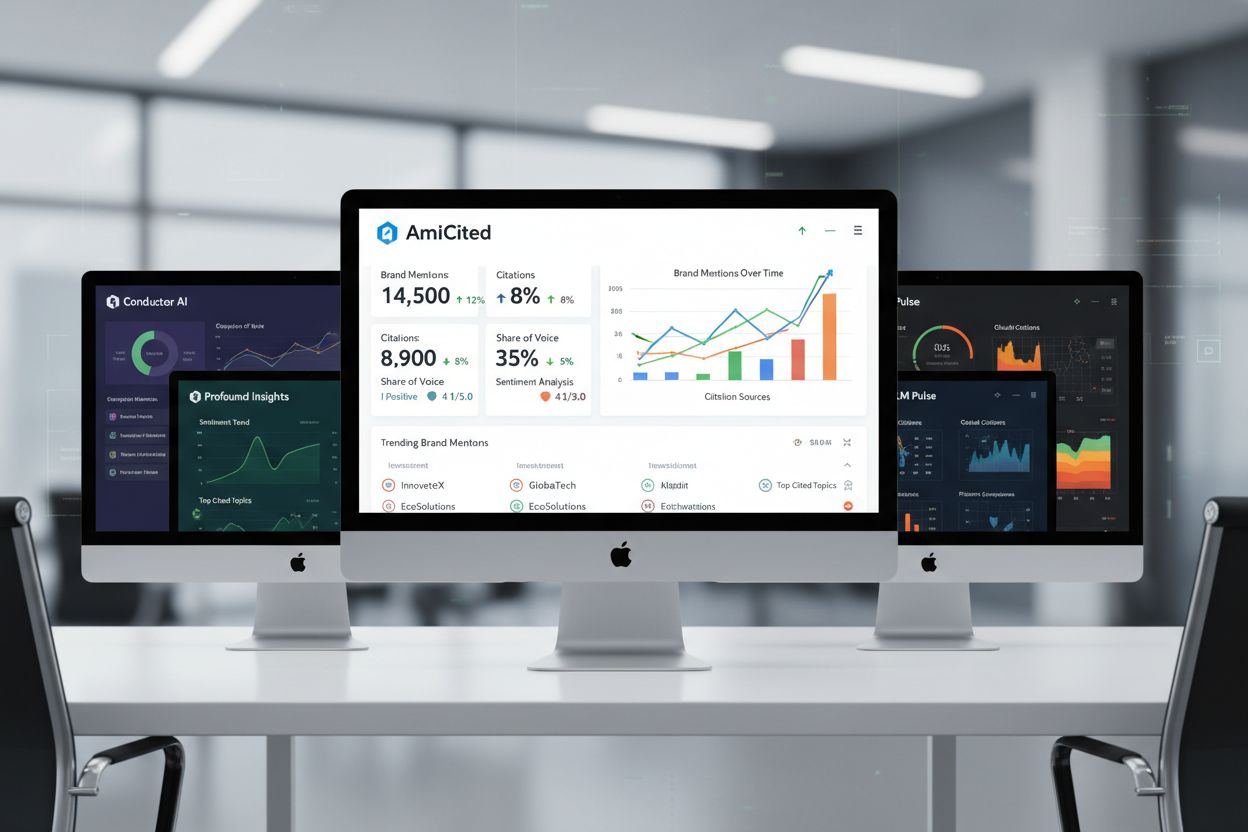
The AI visibility platforms market includes several specialized tools, each with distinct strengths for taking your prompt set from manual to automated. AmICited provides comprehensive citation tracking across ChatGPT, Perplexity, and Google AI Overviews with detailed attribution analysis and competitive benchmarking. Conductor focuses on prompt-level tracking and topic authority mapping, helping teams understand which topics generate the most AI visibility. Profound emphasizes sentiment analysis and source attribution accuracy, crucial for understanding how AI engines present your content. LLM Pulse offers manual testing guidance and emerging platform coverage, valuable for teams still building out their prompt sets from scratch. The choice depends on your priorities: if comprehensive automation and competitive analysis matter most, AmICited excels; if topic authority mapping drives your strategy, Conductor’s approach may fit better; if understanding how AI engines frame your content is critical, Profound’s sentiment capabilities stand out. Most sophisticated teams use multiple platforms to gain complementary insights.
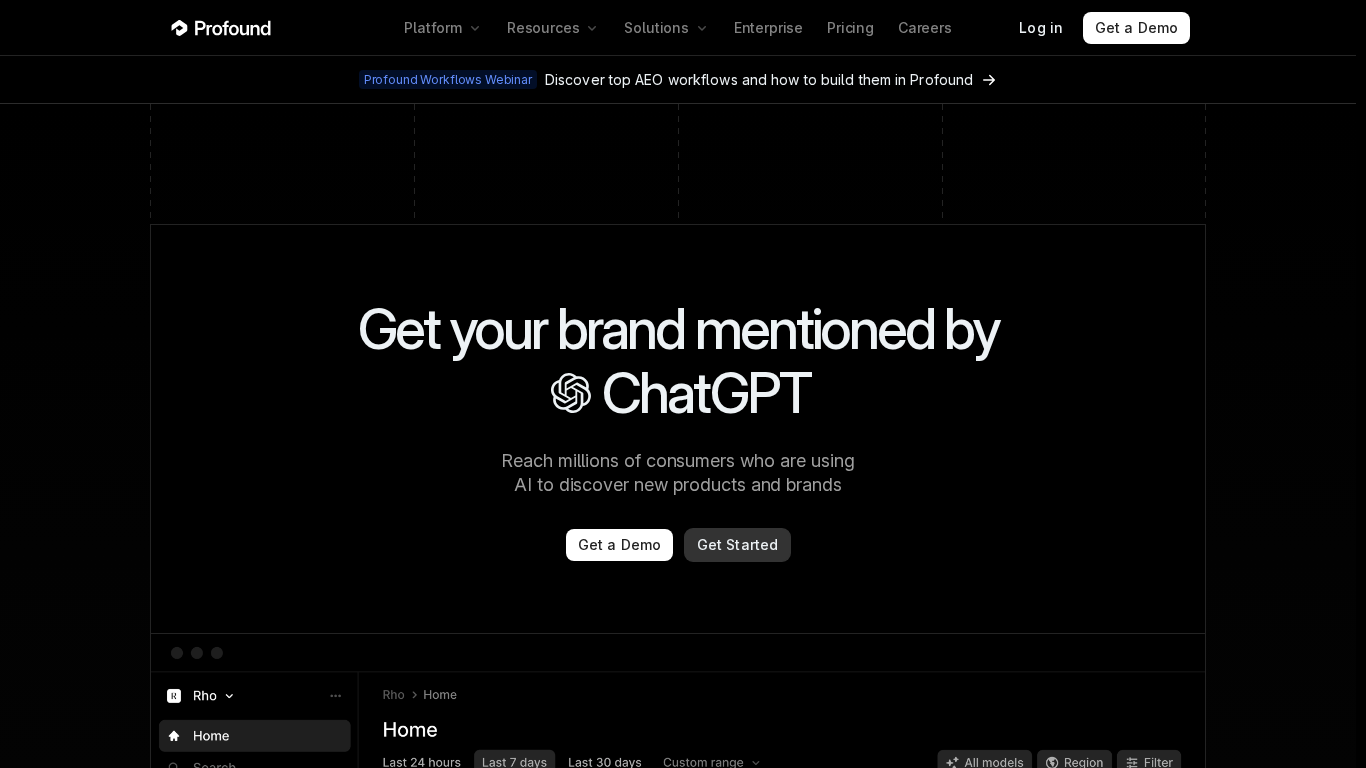
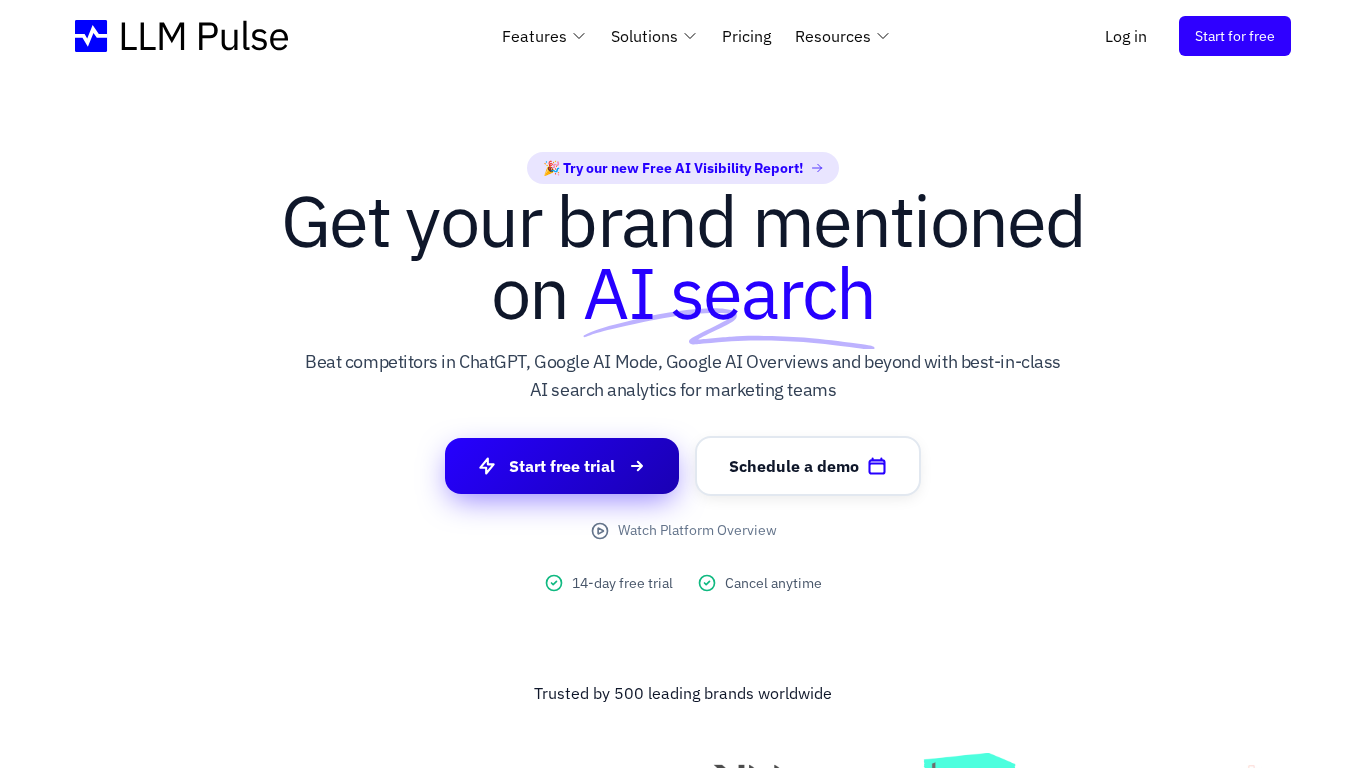
Organizations frequently undermine their testing efforts through preventable errors in how they design prompts, distinct from the execution mistakes covered in our manual testing guide. Over-reliance on branded prompts creates a false sense of visibility—you may rank well for “Company Name” searches while remaining invisible for the industry topics that actually drive discovery and traffic. Writing prompts as keyword fragments rather than natural questions produces results that don’t reflect how real users interact with AI assistants, skewing your data toward an unrealistic best case. Letting a prompt set go stale—never adding new phrasings, never retiring prompts tied to discontinued products or dead topics—means you’re measuring last year’s landscape instead of today’s. Missing page-level data prevents optimization: knowing a prompt surfaces your domain is valuable, but knowing which specific page and how it’s attributed enables targeted content improvements. Testing only current content is another common gap; re-running prompts against your historical content reveals whether older pages still generate AI visibility or have been superseded. Finally, failing to correlate prompt results with content changes means you can’t learn which updates actually moved the needle, preventing continuous improvement of both your content and your prompt set.
Prompt testing results should directly inform your content strategy and AI optimization priorities. When testing reveals that competitors dominate a high-volume topic area where you have minimal visibility, that topic becomes a content creation priority—either through new content or optimization of existing pages. Results also identify which content formats AI engines prefer: if your competitors’ list articles appear more frequently than your long-form guides, format optimization may improve visibility. Topic authority emerges from testing data—topics where you appear consistently across multiple prompt variations indicate established authority, while topics where you appear sporadically suggest content gaps or weak positioning. Use testing to validate content strategy before investing heavily: if you plan to target a new topic area, test current visibility first to understand competitive intensity and realistic visibility potential. Testing also reveals attribution patterns: if AI engines cite your content but without links, your content strategy should emphasize unique data, original research, and distinctive perspectives that AI engines feel compelled to attribute. Finally, integrate testing into your content calendar—schedule testing cycles around major content launches to measure impact, and when you need to prove a specific change caused a specific lift, run it as a proper A/B test rather than reading tea leaves from a single testing cycle.
Yasha is a talented software developer specializing in Python, Java, and machine learning. Yasha writes technical articles on AI, prompt engineering, and chatbot development.

Test your brand's presence in ChatGPT, Perplexity, Google AI Overviews, and more with AmICited's comprehensive AI visibility monitoring.
A step-by-step guide to building and organizing your own prompt library for manual AI visibility testing — a tool-agnostic methodology that works with any platf...
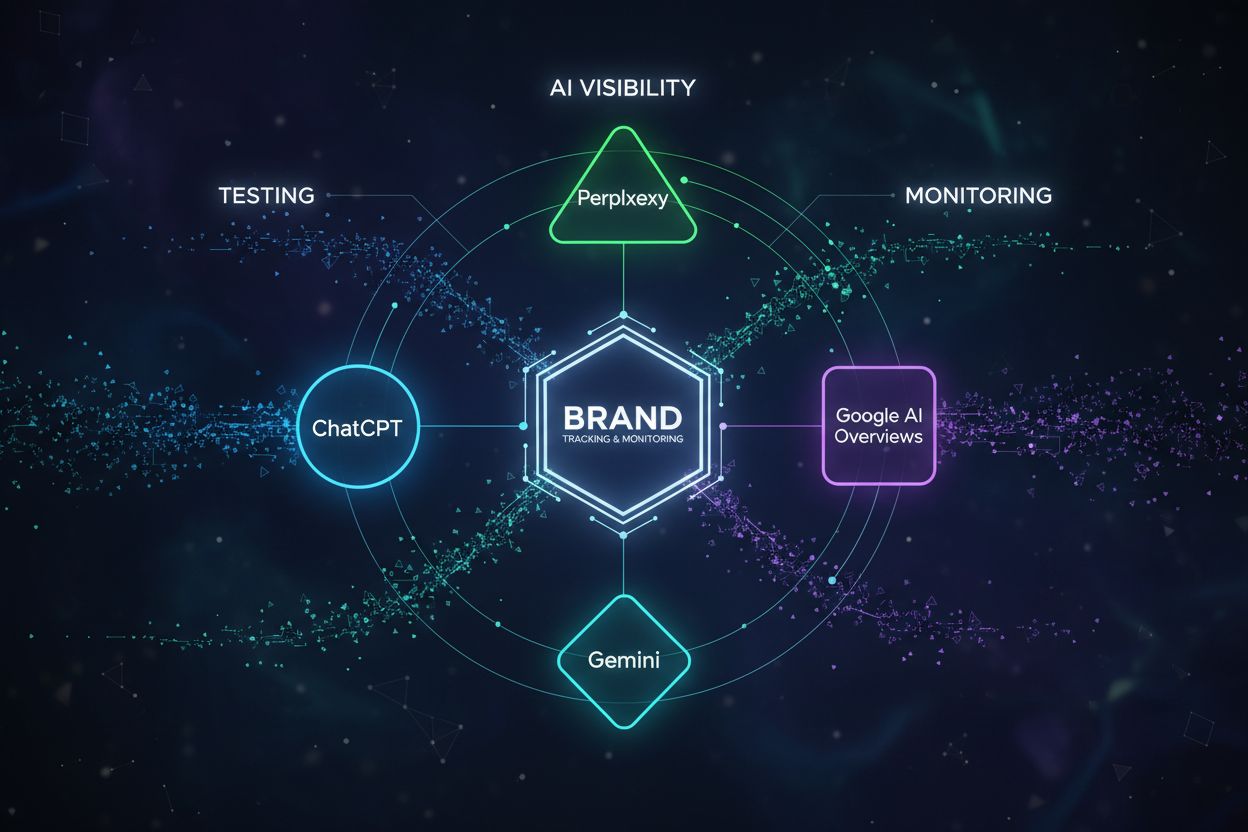
A hands-on, no-tools-required playbook for testing your brand's visibility in ChatGPT, Perplexity, and Google AI Overviews by hand: the exact steps, the trackin...
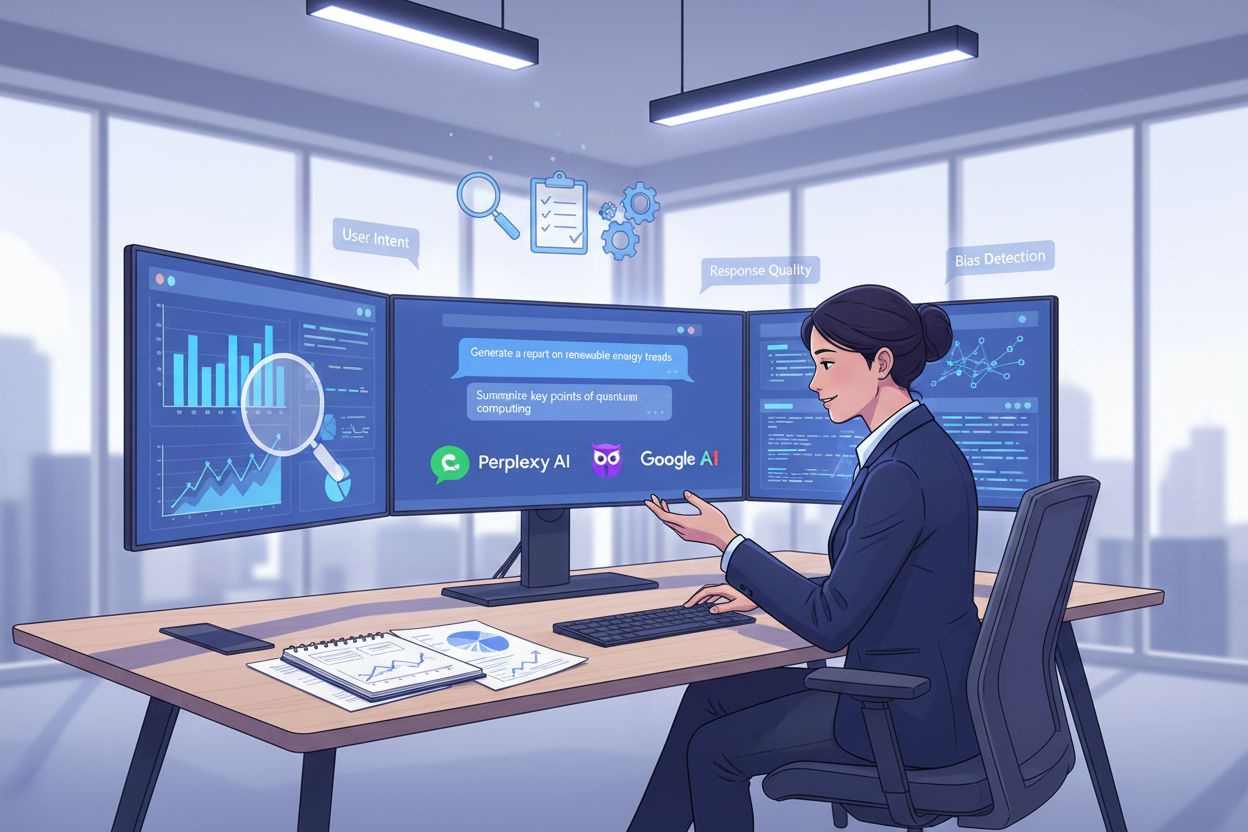
A methodology guide to prompt research: how to categorize prompts, build an intent taxonomy, run the query analysis lifecycle, and turn findings into action acr...
Cookie Consent
We use cookies to enhance your browsing experience and analyze our traffic. See our privacy policy.