


- The digital shelf is every place a shopper can find, research, compare and buy your product online: retailer sites, marketplaces, Google Shopping, social shops and AI assistant answers.
- A product’s place on it depends on findability, content, availability, price and offer, and ratings and reviews.
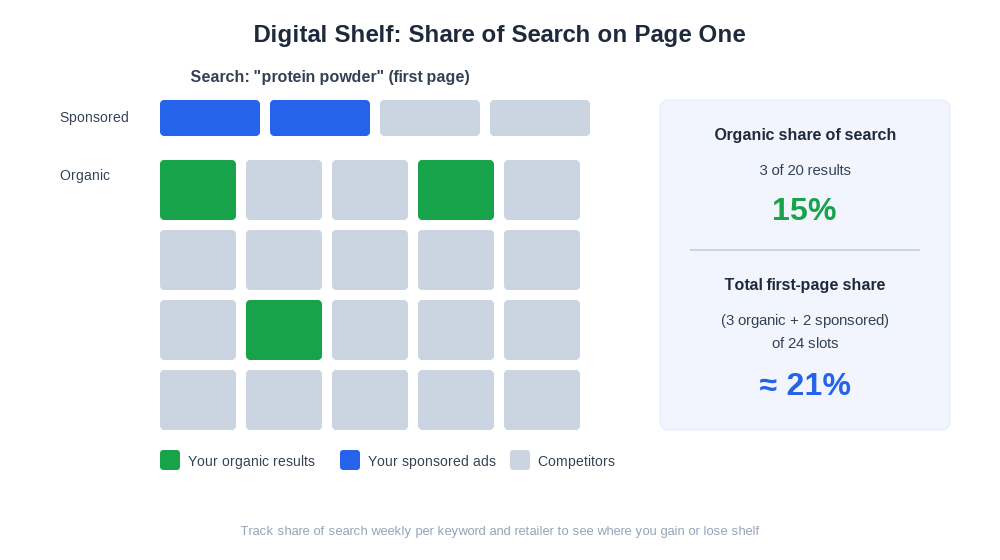
- Share of search is the headline metric: your share of the first-page results for a keyword on each retailer, tracked weekly.
- AI assistants are the most compressed shelf: a shopper gets three to five products and there is no page two.
Where AmICited fits
AmICited adds the AI shelf to your reporting: it tracks how ChatGPT, Perplexity, Gemini, Google AI Overviews and AI Mode mention your brand, and its Shopping report shows which sellers and products appear on AI product cards.
See AI visibility tracking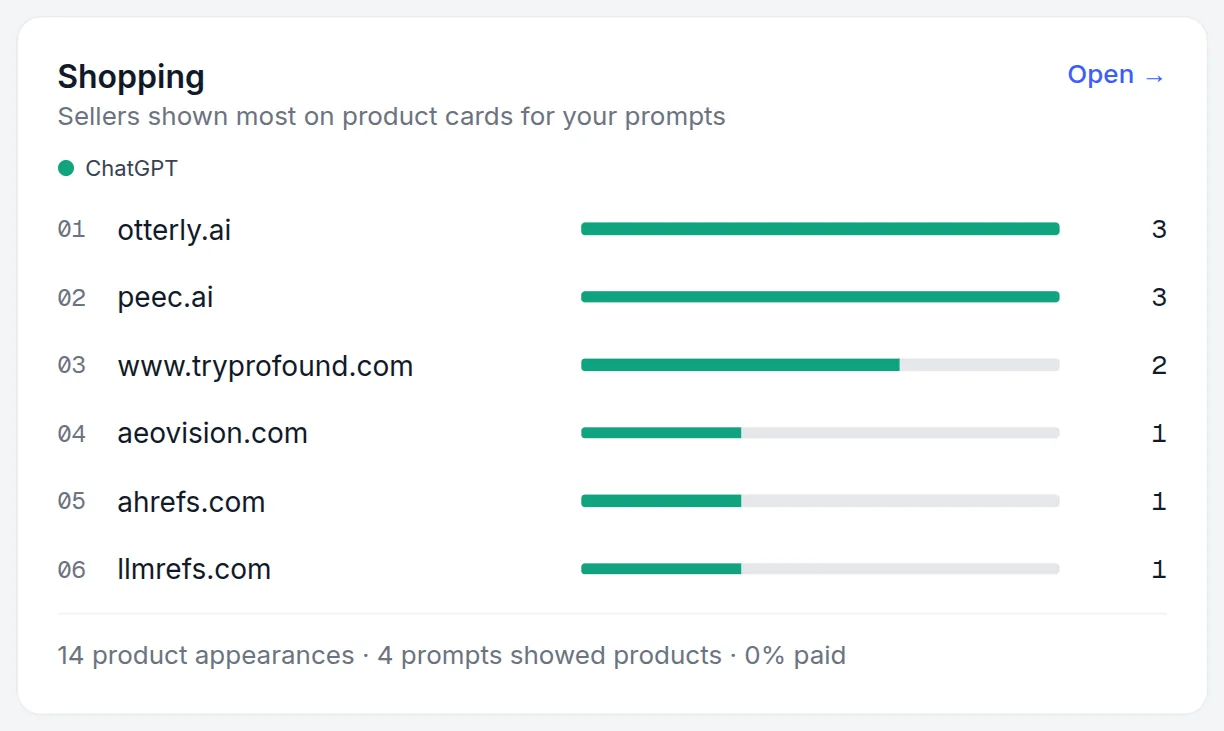
What Is the Digital Shelf?
The digital shelf is the online version of the store shelf: every place a shopper can find, research, compare and buy your product. That means retailer websites such as Target.com, marketplaces such as Amazon and Walmart, grocery delivery apps, Google Shopping, social shops and comparison sites. More and more, it also means the short product lists AI assistants give in their answers.
The term is used mostly by consumer brands that sell through many retailers. A snack brand might have the same product listed on 20 retailer sites, each with its own search ranking, content, price and reviews. Managing the digital shelf means making sure that product is findable, accurately described, in stock and competitive everywhere. It builds on product information management, share of search and retail media.
How the Digital Shelf Works
A product’s position on the digital shelf depends on five things:
- Findability. Does it rank for the keywords shoppers use on each retailer’s search? Both organic rank and paid placements count.
- Content. Are the title, images, bullets, specs and enhanced content complete and correct on every site?
- Availability. Is it in stock and deliverable? Out-of-stock products drop in rankings on many retailer sites.
- Price and offer. Is the price competitive, and on marketplaces, does your offer hold the Buy Box?
- Ratings and reviews. Volume and average rating affect both ranking and conversion.
Share of search is the headline metric. Say a shopper searches “protein powder” on a retailer site and the first page shows 20 organic results. If 3 of them are your products, your organic share of search for that keyword is 3 ÷ 20 = 15%. Add 2 of the 4 sponsored slots and your total first-page share becomes 5 ÷ 24 ≈ 21%. Track that weekly across your top keywords and retailers, and you can see where you’re gaining or losing shelf.
Digital Shelf KPIs
| KPI | What it measures | Why it matters |
|---|---|---|
| Share of search | Your share of top results for target keywords | Visibility where shoppers search |
| Content compliance | Share of listings with correct titles, images and specs | Accuracy and conversion |
| In-stock rate | Share of product-retailer pairs available to buy | Lost sales and ranking drops |
| Price position | Your price against competitors and your own MAP | Competitiveness and channel conflict |
| Rating and review count | Average stars and number of reviews | Trust and ranking |
| Buy Box or featured offer share | Share of views where your offer is the default | Marketplace sales |
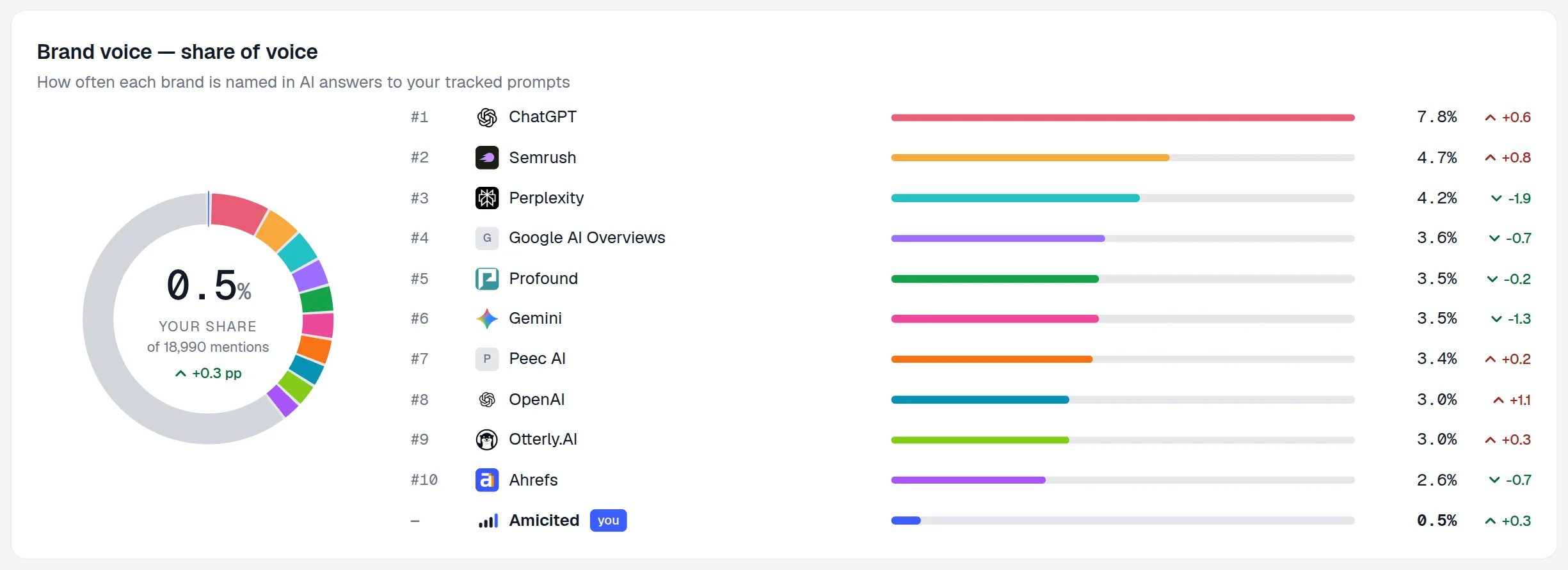
| AI answer share of voice | How often AI assistants name your product | Visibility in AI shopping answers |
Digital Shelf vs Physical Shelf
On a physical shelf, placement comes from negotiation with the retailer: facings, end caps, eye level. Every shopper in that store sees the same aisle. On the digital shelf, placement comes from algorithms. Search results change by keyword, by shopper and by day. Your product page does the job of packaging, and reviews do the job of word of mouth. You can buy placement through retail media ads, but organic placement depends on relevance, sales velocity, content quality and stock. The upside is that everything is measurable.
Digital shelf analytics tools automate this monitoring. They check retailer sites on a schedule, record search positions for your target keywords, compare titles, images and specs with your approved content, flag price changes and out-of-stock listings, and collect ratings and reviews. Smaller brands can start with a spreadsheet: ten priority keywords, five key retailers and a weekly manual check. The habit of looking matters more than the tool at first.

Stay Updated on AI Visibility Trends
Get the latest insights on AI mentions, brand monitoring, and optimization strategies.
Digital Shelf and AI Search
AI assistants are becoming the most compressed shelf of all. A shopper asks ChatGPT or Perplexity “best protein powder for beginners” and gets three to five products. There is no page two. Being named in those answers depends on reviews, comparison articles, forums and clear product information across the web, not on retailer ad spend.
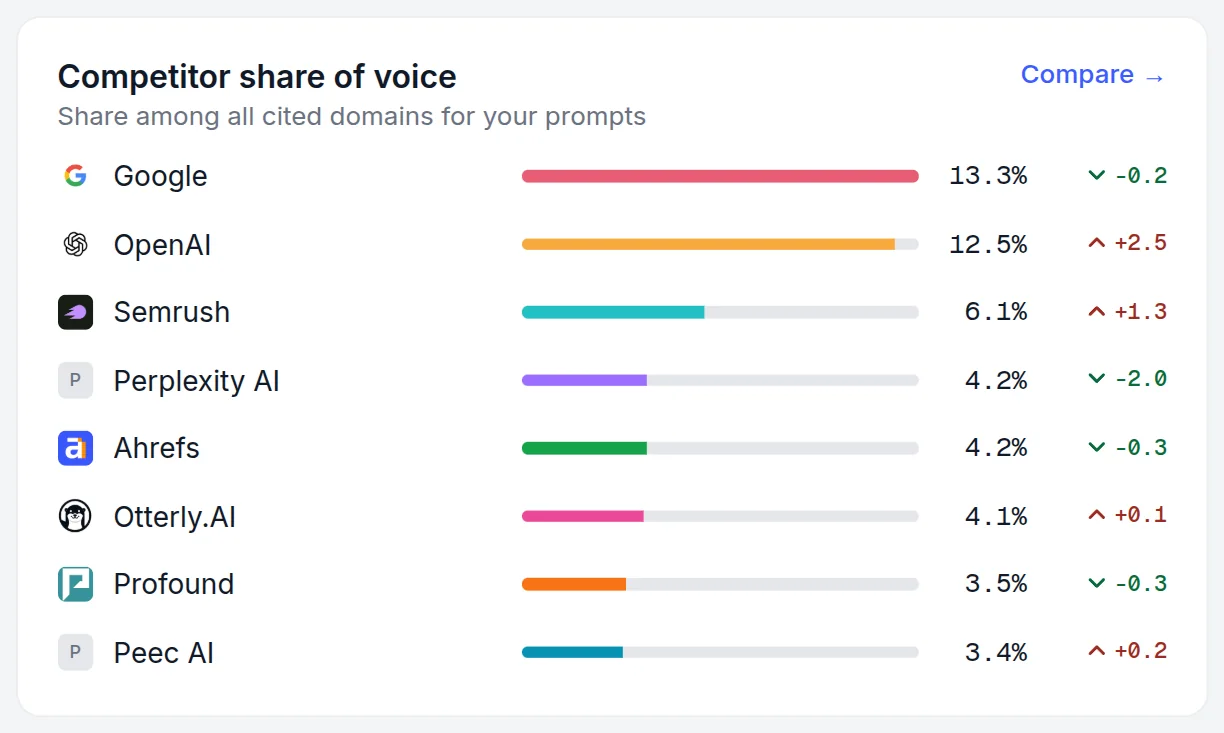
Brands now track this shelf next to marketplace search. AmICited’s AI visibility tracking shows how ChatGPT, Perplexity, Gemini, Google AI Overviews and Google AI Mode mention your brand, and competitor analysis shows which rival brands appear beside you and which prompts they win.
Best Practices for the Digital Shelf
- Keep one master record of product content and syndicate it to every retailer, then audit each site for drift.
- Pick a focused set of priority keywords per category and track share of search weekly.
- Watch in-stock rates per retailer, since stockouts cost both sales and ranking.
- Build review volume early for new products through sampling or post-purchase requests that follow retailer rules.
- Use retail media to support launches and defend key terms, not to cover weak content.
- Add AI answer visibility to your digital shelf reporting alongside marketplace metrics.
Common Digital Shelf Mistakes
The most common mistake is sending content to retailers once and never checking it again. Retailers overwrite titles, drop images or merge variants, and the listing quietly degrades. Another is tracking only your own brand’s rankings without competitors, which hides share losses when the whole category shifts.
Brands also over-rely on paid placements while organic share slips, so ad costs keep rising to hold the same visibility. And many still treat AI assistants as outside the digital shelf, even though shoppers increasingly ask them for recommendations before opening a retailer site.