


- Native advertising is paid content that takes the form of the platform it runs on, such as a sponsored post in a feed or a sponsored article on a news site.
- It runs in three main places: social feeds, sponsored content sold by publishers, and recommendation widgets such as Taboola and Outbrain.
- Native often costs more per thousand impressions than display but can cost less per click, because it fits the page around it.
- It must be clearly labeled as paid, and links inside paid articles should carry rel=sponsored.
Where AmICited fits
AmICited’s Sources report shows which publishers and off-site pages AI engines cite for your tracked prompts, which helps you judge which publishers are worth a sponsored placement.
See source citations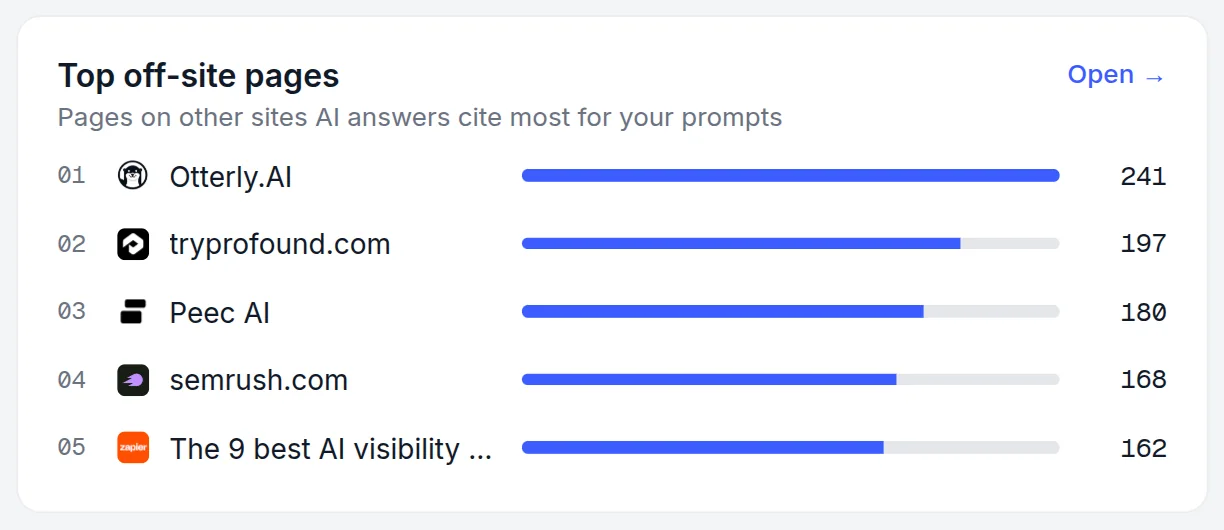
What Is Native Advertising?
Native advertising is paid media that matches the form and function of the platform it appears on. A sponsored post in your LinkedIn feed looks like a post. A sponsored article on a news site looks like an article. A row of “recommended stories” under a news piece looks like editorial links, even though some are paid placements. The ad blends into the experience instead of interrupting it, but it is still labeled as paid.
Native ads run in three main places. Social platforms like Meta, LinkedIn, TikTok, Reddit and X sell in-feed ads. Publishers sell sponsored content, often produced by an in-house studio. Content recommendation networks such as Taboola and Outbrain place paid links in widgets across thousands of news sites. Marketplaces and search engines also run native-style promoted listings, which overlaps with retail media.
How Native Advertising Works
Most native ads are bought in one of two ways. In-feed social and recommendation widgets run through self-serve auctions, priced per click or per thousand impressions. Sponsored articles and branded series are usually sold directly by the publisher for a flat fee, sometimes with guaranteed views.
A native ad is assembled from parts rather than delivered as a finished banner. You supply a headline, a thumbnail image, a short description, a brand name and a landing page. The platform renders those parts in its own style, so the same ad looks different on each site. Programmatic native follows the IAB’s OpenRTB native specification, which defines those parts.
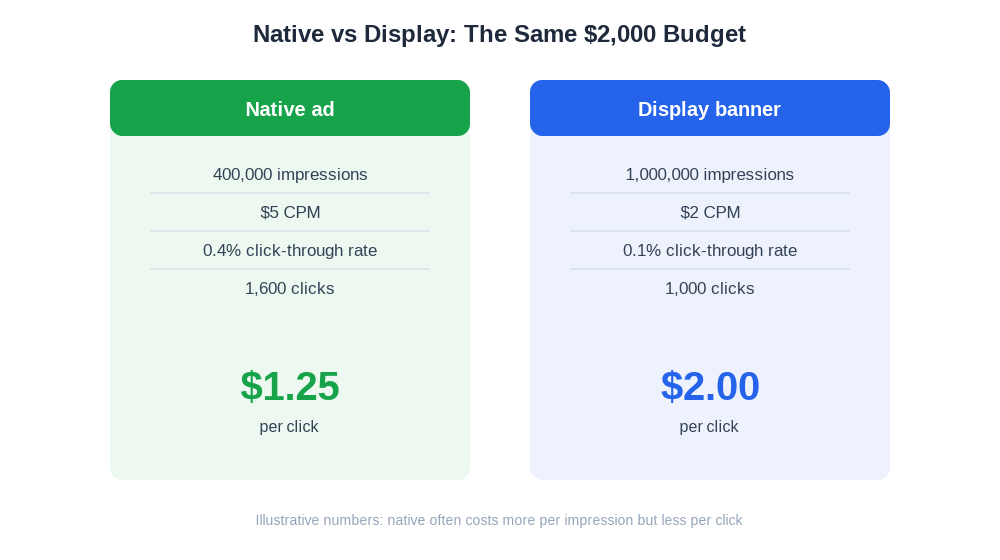
Here is a simple comparison of how the same budget performs as native and as standard display:
- Native: 400,000 impressions at a $5 CPM costs $2,000. At a 0.4% click-through rate you get 1,600 clicks, so the cost per click is $1.25.
- Display: 1,000,000 impressions at a $2 CPM costs $2,000. At a 0.1% click-through rate you get 1,000 clicks, so the cost per click is $2.00.
These are illustrative numbers, not benchmarks. The point is the structure: native often costs more per thousand impressions but can cost less per click, because people engage with content that fits the page. What matters after the click is whether the landing page delivers what the headline promised.
Types of Native Advertising
| Type | Where it appears | How it is bought | Good for |
|---|---|---|---|
| In-feed social ads | Meta, LinkedIn, TikTok, Reddit, X feeds | Self-serve auction (CPC, CPM) | Reach and direct response |
| Content recommendation | Widgets under articles on news sites | Self-serve auction (CPC) | Driving readers to articles or offers |
| Sponsored articles | Publisher site, written with or for the brand | Direct deal, flat fee | Thought leadership, authority |
| Promoted listings | Marketplaces, app stores, search results | Auction (CPC) | Product and app sales |
| Branded video | Publisher or creator channels | Direct deal | Storytelling, awareness |
Native Advertising vs Display Advertising
Display advertising uses fixed ad slots in standard sizes, such as 300×250 rectangles. Anyone can see it is an ad. Native ads take the shape of the content around them. That usually means better attention and engagement, and less exposure to banner blindness and ad blockers. The trade-offs: native needs more creative work, the ad looks different on every site, and the format depends on honest labeling.
Native also differs from an advertorial in print. Both are paid content that looks editorial, but digital native ads are targeted, measured and often bought in auctions. For more on standard image ads, see banner ads.

Stay Updated on AI Visibility Trends
Get the latest insights on AI mentions, brand monitoring, and optimization strategies.
Native Advertising and AI Search
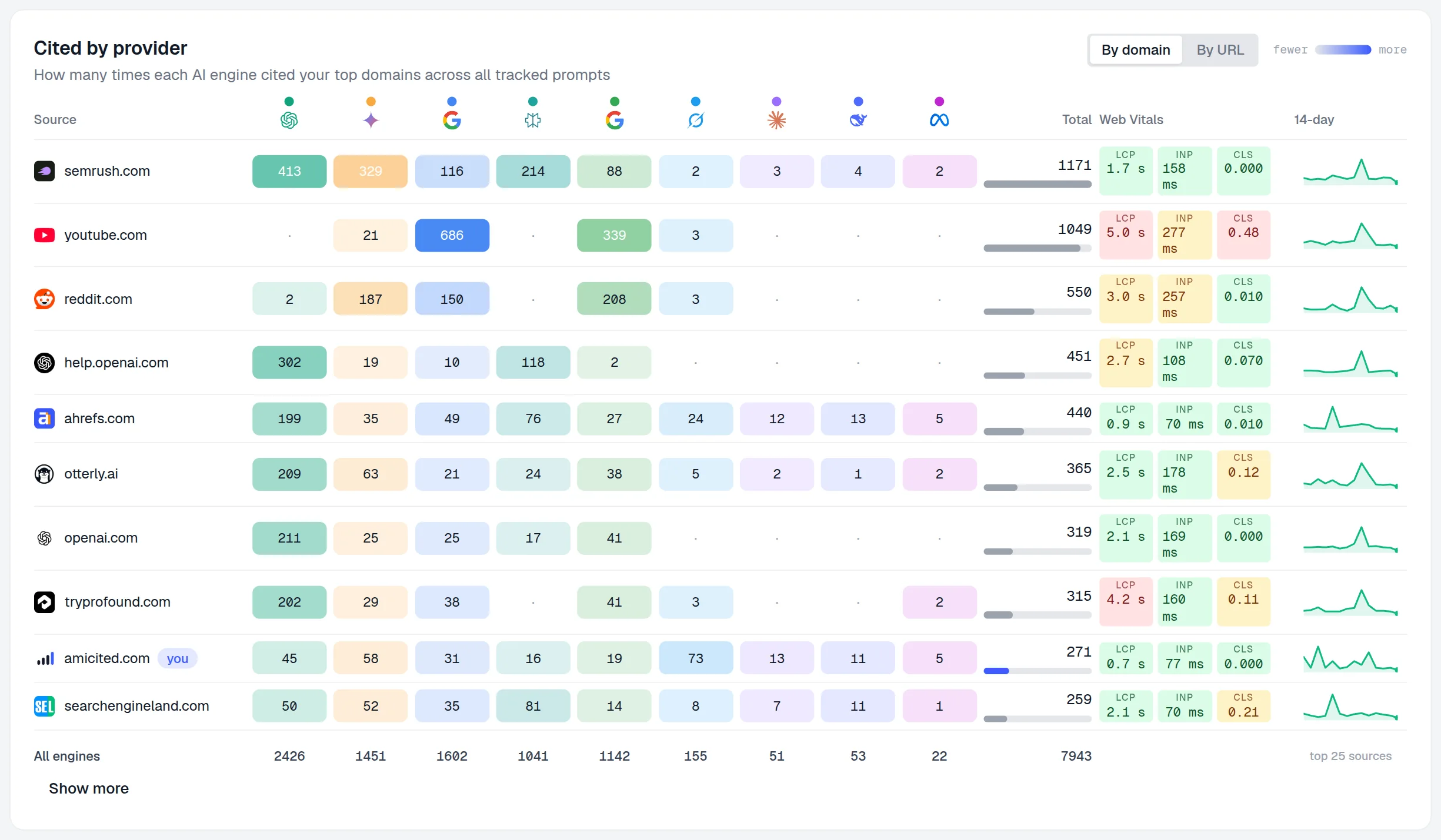
Sponsored articles on reputable publishers can end up in the sources AI engines read, and AI answers sometimes cite publisher pages that were paid placements. But Google asks publishers to mark paid links with rel="sponsored", and AI engines tend to cite pages that read as genuinely useful rather than promotional. Native ads are not a reliable way to get cited. AmICited’s
Source & Citation Intelligence shows which domains and pages AI engines actually cite in your category, which tells you which publishers are worth working with.
Best Practices for Native Advertising
- Label every ad clearly with Sponsored, Ad or Paid partnership, in a place people will see.
- Write headlines that promise only what the landing page delivers. Clickbait raises CTR and kills conversion.
- Send native traffic to content or a soft offer first. Cold readers rarely buy on the first click.
- Block low-quality sites in recommendation networks with site exclusion lists.
- Test several thumbnails, because the image usually decides whether people click.
- Use
rel="sponsored"on links inside paid articles.
Common Native Advertising Mistakes
The most damaging mistake is weak disclosure. A tiny gray label or a vague phrase like “Presented by” can mislead readers and break consumer protection rules. It also erodes trust when people realize the content was paid. Another frequent problem is sensational headlines in recommendation widgets. They produce cheap clicks from people who leave immediately.
Advertisers also often run recommendation campaigns without excluding poor-quality sites, so spend drifts to pages full of other ads. Finally, many teams judge native on last-click conversions, which undervalues it. Native often works earlier in the marketing funnel, so look at assisted conversions and returning visitors too.