


- A supply-side platform (SSP) is software publishers use to sell ad inventory automatically: it offers each impression to many buyers, runs the auction and enforces the publisher’s rules.
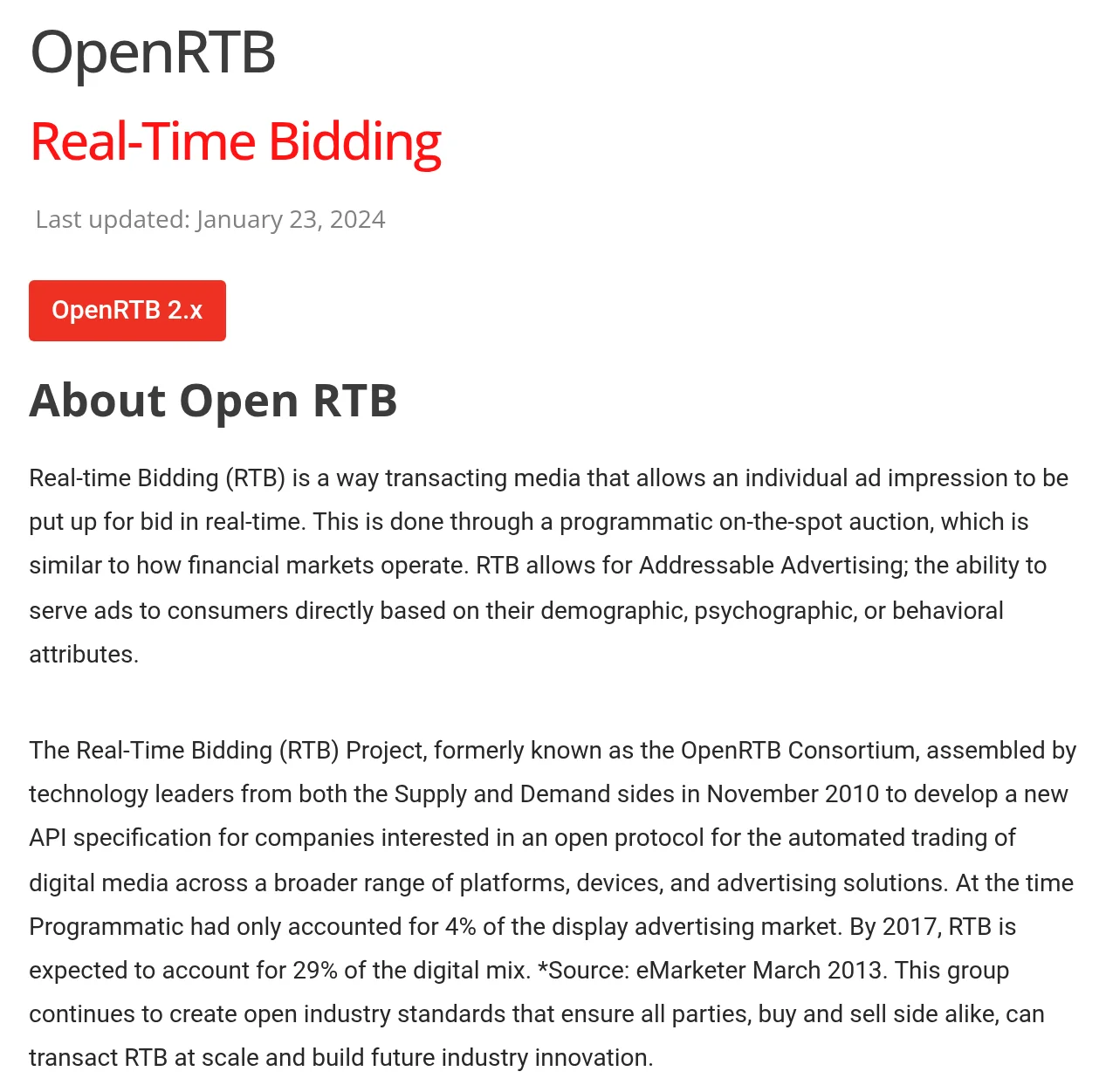
- Advertisers bid through demand-side platforms (DSPs). Bid requests usually follow the IAB Tech Lab’s OpenRTB format, and most auctions are now first-price.
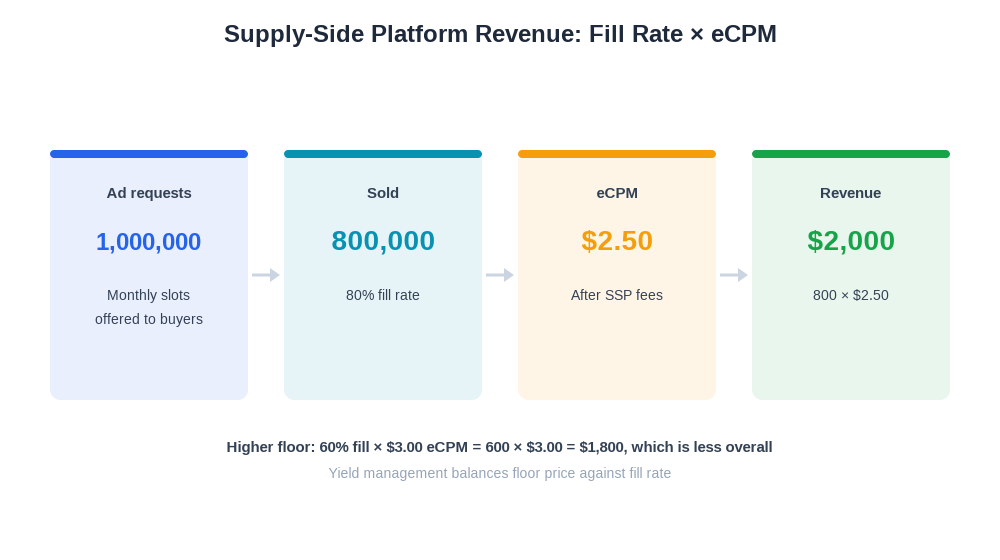
- Revenue depends on fill rate and eCPM together. A higher floor can raise eCPM and still earn less overall.
- Keep ads.txt and app-ads.txt current so buyers can verify you as an authorized seller.
Where AmICited fits
SSP revenue depends on page views, and AI answers can absorb clicks. AmICited’s Sources report shows which domains and pages AI engines cite for the prompts you track, so a publisher can see whether its articles are among them.
See source citations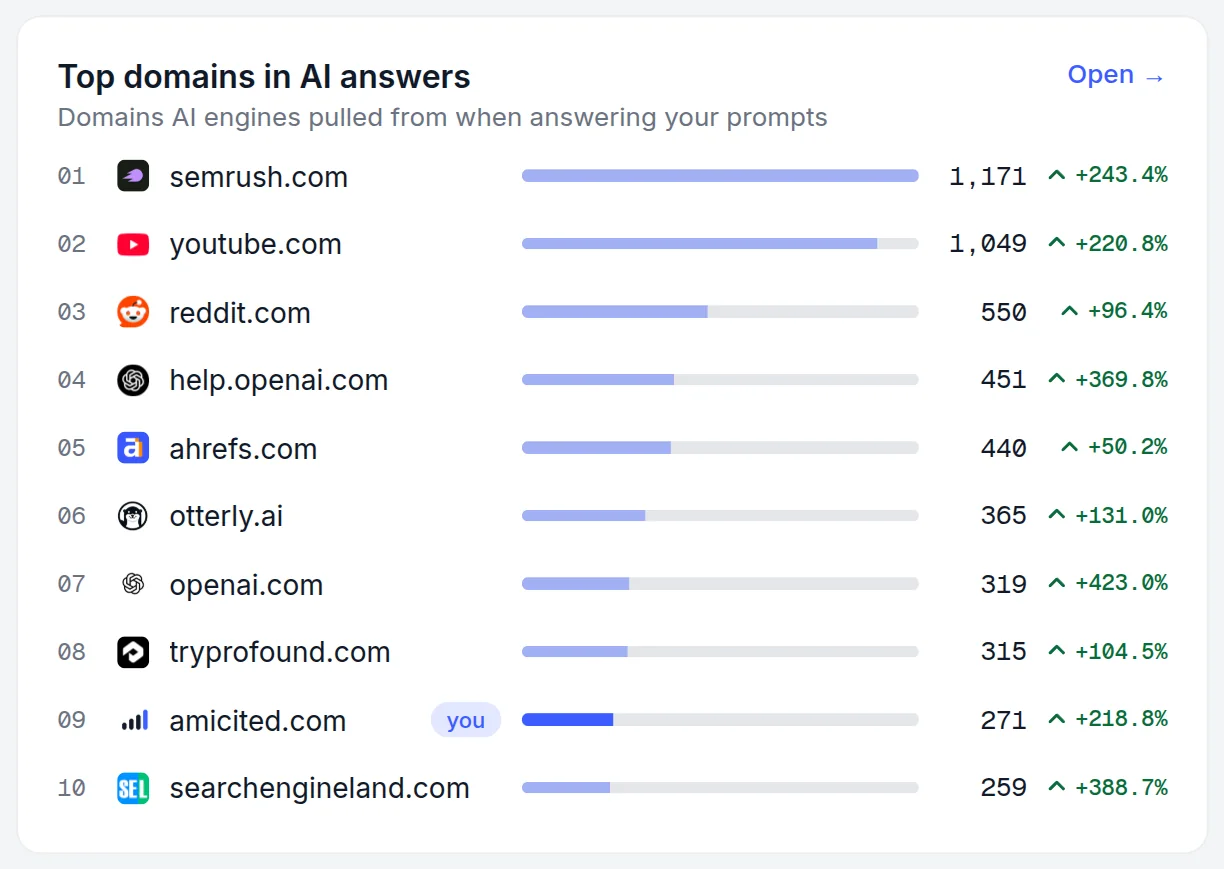
What Is a Supply-Side Platform?
A supply-side platform (SSP) is software that publishers, app developers and streaming services use to sell their ad inventory automatically. Instead of selling each ad slot by hand, the publisher plugs its inventory into an SSP, which offers every impression to many buyers at once, runs the auction, enforces the publisher’s rules and returns the winning ad. The goal is to earn the most per impression while keeping control over who can advertise.
SSPs are the sell side of programmatic advertising. On the other side, advertisers use a demand-side platform (DSP) to bid. Common SSPs include Google Ad Manager, Magnite, PubMatic, Index Exchange, OpenX and Equativ. News sites, blogs, mobile games and CTV apps all rely on them to fill ad slots.
How a Supply-Side Platform Works
- A user opens a page or app. An ad slot is ready to load.
- The SSP builds a bid request. It describes the impression, including ad size, site or app, device, location and available audience data, usually in the IAB Tech Lab’s OpenRTB format.
- The SSP sends it to buyers. Requests go to connected DSPs and exchanges, and to buyers with private deals.
- Bids come back. The SSP compares them against the floor price and the publisher’s rules, such as blocked advertisers or categories.
- The winner is chosen. Most auctions are now first-price: the winner pays its bid. The SSP returns the winning ad.
- The publisher’s ad server makes the final call. In setups with header bidding, several SSPs compete before the ad server picks the best overall offer.
Publishers measure SSP performance with fill rate and eCPM:
Revenue = Impressions sold ÷ 1,000 × eCPM and Fill rate = Impressions sold ÷ Ad requests
Worked example for a mid-sized news site in one month:
- Ad requests: 1,000,000
- Fill rate: 80%, so 800,000 impressions sold
- eCPM (after SSP fees): $2.50
- Revenue: 800 × $2.50 = $2,000
If raising the floor price lifts eCPM to $3.00 but drops fill rate to 60%, revenue becomes 600 × $3.00 = $1,800. The higher floor earns less overall. Finding that balance is a large part of yield management.
SSP vs DSP vs Ad Exchange vs Ad Network
| Supply-side platform | Demand-side platform | Ad exchange | Ad network | |
|---|---|---|---|---|
| Works for | Publishers | Advertisers and agencies | Marketplace for both | Usually the network itself |
| Main job | Sell inventory at the best price | Buy impressions that match targeting | Host the auction | Bundle and resell inventory |
| Key controls | Floor prices, blocklists, deals | Bids, audiences, budgets, frequency | Auction rules | Packaged audiences or sites |
| Pricing | Fee on each sale | Fee on media spend | Fee on each sale | Margin between buy and sell price |
| Examples | Magnite, PubMatic, Index Exchange | The Trade Desk, DV360, Amazon DSP | Google AdX, built into most SSPs | Older networks, app ad networks |
The lines have blurred. Most SSPs now run their own exchange, and some companies sell both SSP and DSP products, which raises questions about conflicts of interest.
Publishers also choose how much to sell through open auctions versus private deals. Private marketplaces and programmatic guaranteed deals through the SSP usually bring higher prices from known buyers, while the open auction fills the remaining inventory. A healthy setup uses both, with floors set so private deals are not undercut by cheaper open-auction bids.
Supply-Side Platforms and AI Search
The link to AI search is through publisher traffic. SSP revenue depends on page views and app sessions. When people get answers directly in ChatGPT, Perplexity or Google AI Overviews instead of clicking through, publishers can see fewer ad impressions to sell. For publishers, being cited by AI engines is one way to keep some of that traffic. AmICited’s Source & Citation Intelligence shows which domains and pages AI engines cite.

Stay Updated on AI Visibility Trends
Get the latest insights on AI mentions, brand monitoring, and optimization strategies.
Best Practices for Supply-Side Platforms
- Use header bidding with several SSPs so they compete for each impression.
- Set floor prices by format, device and geography, and test them rather than setting once.
- Publish accurate ads.txt and app-ads.txt files so buyers can verify authorized sellers.
- Block advertiser categories that do not fit your audience, but avoid overblocking that cuts demand.
- Watch latency: too many SSPs or slow timeouts can slow pages and hurt viewability.
- Track revenue per thousand sessions, not only eCPM, to capture fill rate and ad density together.
Common Supply-Side Platform Mistakes
The most common mistake is optimizing eCPM alone. High floors raise eCPM but can sink fill rate and total revenue, as in the example above. Another is adding SSP after SSP to the header bidding wrapper. Beyond a point, extra partners add latency and duplicate the same demand without raising prices.
Publishers also leave ads.txt out of date, which makes buyers skip their inventory or treat it as unauthorized resale. Others pack pages with ad slots to raise impressions, which lowers viewability, hurts the reader experience and can drag down rates over time. Finally, many publishers never review which SSPs actually deliver incremental revenue and keep paying the latency cost for partners that rarely win.