


Google's New AI Overviews Opt-Out, Explained
Google is rolling out a Search Console toggle that lets publishers exclude their content from AI Overviews and AI Mode. Here's what it changes, and why AI platf...
6 min read
Google shipped a dedicated AI performance report in Search Console, tracking AI Overviews and AI Mode impressions. Here’s exactly what the data shows, what it’s still missing, and how to use it without mistaking it for the full AI visibility picture.
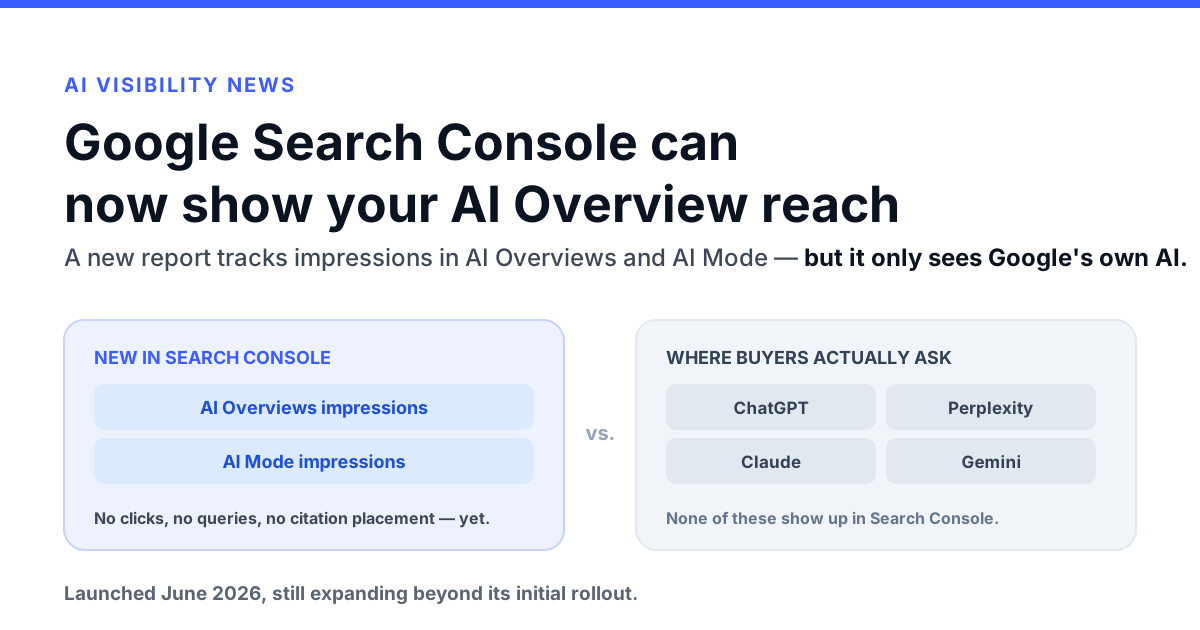
For the past two years, anyone trying to measure their presence in AI Overviews has been stuck guessing from indirect signals: organic rankings, anecdotal ChatGPT screenshots, or a drop in click-through rate that might or might not be AI-related. That changed on June 3, 2026, when Google shipped a dedicated Search Generative AI performance report inside Search Console. In the same release, Google also gave publishers a toggle to opt out of AI Overviews and AI Mode entirely; that’s a distinct, mostly unrelated decision, and we’ve covered it separately since who should actually flip it deserves its own answer. This post is about the measurement side: what the new report shows you if you leave AI Overviews on, which is what most sites will do.
It’s a meaningful admission: Google is treating generative AI results as different enough from ten blue links that they need their own first-party measurement tool. For anyone running an AI visibility program, that’s worth understanding in detail: both what it finally makes visible, and what it still leaves you blind to.

Track how AI chatbots mention your brand across ChatGPT, Perplexity, and other platforms.
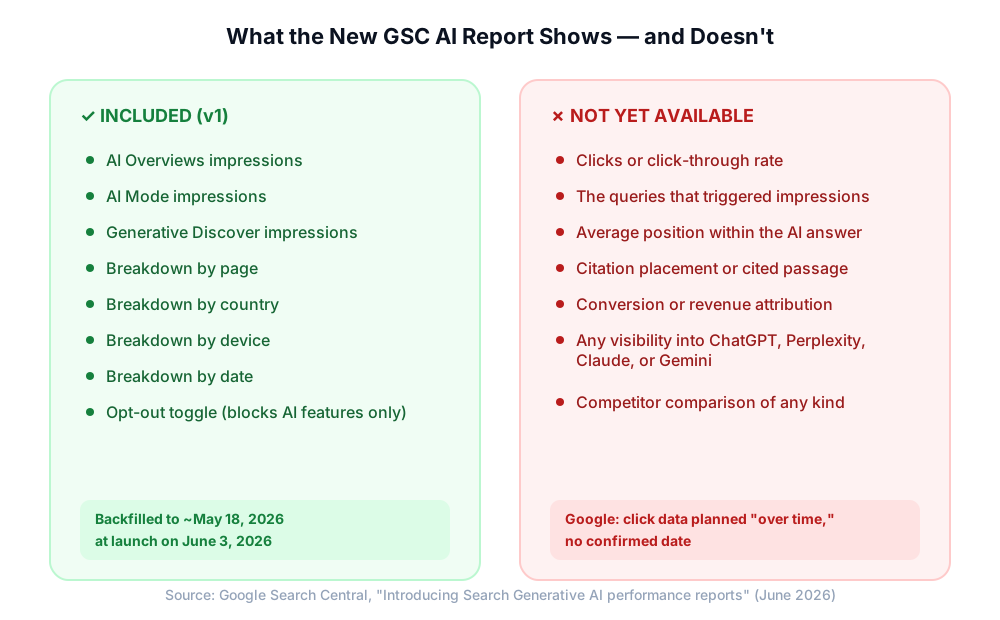
The new report tracks impressions, Google’s term for an instance where a link to your site was shown to a user inside a generative AI feature, across two surfaces:
Each is segmented by page, country, device, and date, and the data backfills to roughly May 18, 2026 for properties that have access. That’s a real upgrade from having nothing.
The segmentation is where the report actually earns its keep day to day. Page-level breakdowns let you see which URLs or templates are getting pulled into AI answers at all, which is more than you could infer from organic rankings alone. Country segmentation matters for any multi-region site, since AI Overviews and AI Mode roll out unevenly by market and a page that shows heavy impressions in one country can show almost none in another. Device segmentation is a smaller signal today given how new the report is, but it’s the dimension most likely to become more useful once enough history accumulates to compare against your existing device-level Search Console data. None of these dimensions replace query-level insight, but stacked together they’re enough to spot patterns: a product category, a content template, or a region where AI visibility is clearly lagging organic visibility.
But “impression” is doing a lot of work here, and it doesn’t mean what it means on a normal results page. A traditional search impression implies your listing appeared in a roughly stable position. An AI impression can mean your link was the headline citation in an AI Overview, a source buried behind a “show more” expansion, or something that only surfaced after a user asked a follow-up question inside AI Mode. Google itself notes these are “not interchangeable units” with conventional impressions, and property-level totals won’t even match the sum of page-level numbers, since multiple URLs frequently appear inside a single AI response.
Read the fine print and the limitations outnumber the additions. As of launch, the report does not include:
Google has said click data is coming “over time,” with no confirmed date. Until then, this is a reach signal, not a performance signal: useful for spotting which pages and templates get pulled into AI answers at all, not for judging whether that presence is doing anything for you. For the overwhelming majority of sites, that’s still a reason to keep AI Overviews switched on and lean on this report to understand the presence you already have, rather than reach for the opt-out toggle Google shipped in the same release.
Get the latest insights on AI mentions, brand monitoring, and optimization strategies.
Here’s the part that matters most for anyone building a serious generative engine optimization program: this report only sees Google’s own AI surfaces. It has zero visibility into ChatGPT, Perplexity, Claude, or Gemini, the platforms an increasing share of B2B and consumer research now happens on.
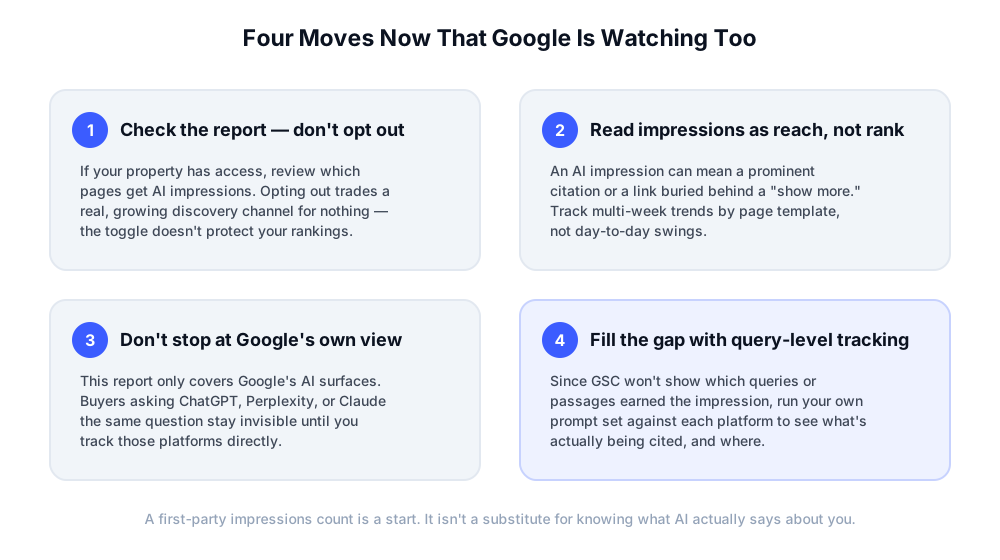
That’s not a flaw in what Google built. It’s simply the boundary of what any single platform’s own analytics can ever tell you. Search Console has always only reported on Google Search; it was never going to start reporting on a competitor’s chatbot. But it does mean a report that finally answers “how does Google’s AI see me?” can create a false sense of completeness if you stop there. If a buyer asks Perplexity or Claude the exact same question that triggers an AI Overview for you today, that interaction, and whether you were even mentioned, is completely invisible in Search Console, no matter how thoroughly you read the new report.
A few practical moves, in order:
Google validating that AI Overview visibility deserves its own measurement is good news: it means the rest of the industry was right to treat this as a distinct discipline, not a footnote to classic SEO. But a first-party impressions count from one company, covering only that company’s own AI surfaces, was never going to be the whole story.
The brands that get real value from this launch will be the ones who use it as one input among several, not the ones who mistake “Google finally built a dashboard for this” for “I now know how AI represents my brand.” Knowing that full picture, across every platform where the question actually gets asked, is what Am I Cited is built to show you.
Arshia is an AI Workflow Engineer at FlowHunt. With a background in computer science and a passion for AI, he specializes in creating efficient workflows that integrate AI tools into everyday tasks, enhancing productivity and creativity.

Am I Cited tracks your citations, mentions, and share of voice across ChatGPT, Perplexity, Claude, and Google AI Overviews: the full picture Search Console's new report doesn't cover.
Google is rolling out a Search Console toggle that lets publishers exclude their content from AI Overviews and AI Mode. Here's what it changes, and why AI platf...
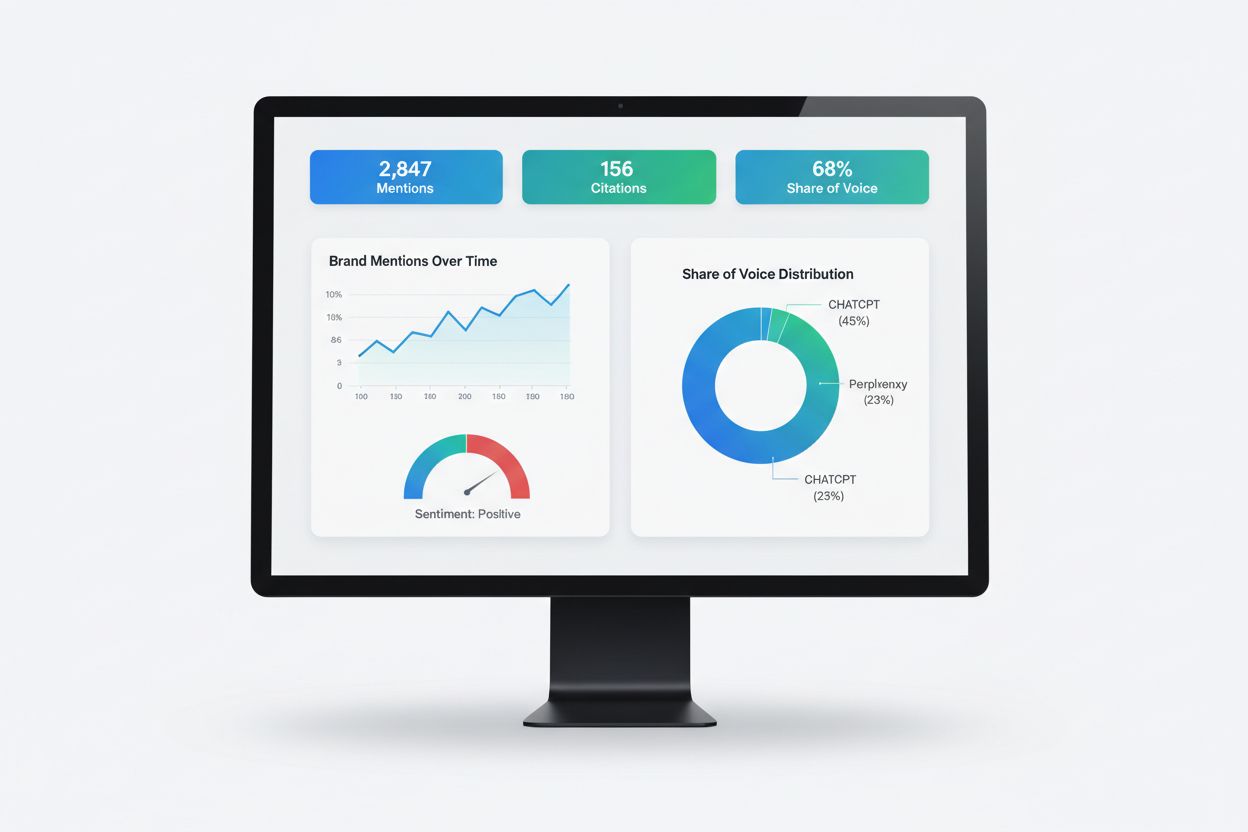
Learn what AI visibility reporting is, how it works, and why it's essential for monitoring your brand's presence in ChatGPT, Perplexity, Google AI Overviews, an...

Community discussion on optimizing for Google AI Overview and Gemini. Real insights on how Google's AI differs from ChatGPT and Perplexity and what tactics work...
Cookie Consent
We use cookies to enhance your browsing experience and analyze our traffic. See our privacy policy.