


- The Google Sandbox is an SEO theory, dating from around 2004, that Google holds new sites back from ranking for competitive terms. Google, including John Mueller, has denied any such filter.
- The slow start is real but has plain causes: new sites have few links, no history, little topical depth and a small crawl rate at first.
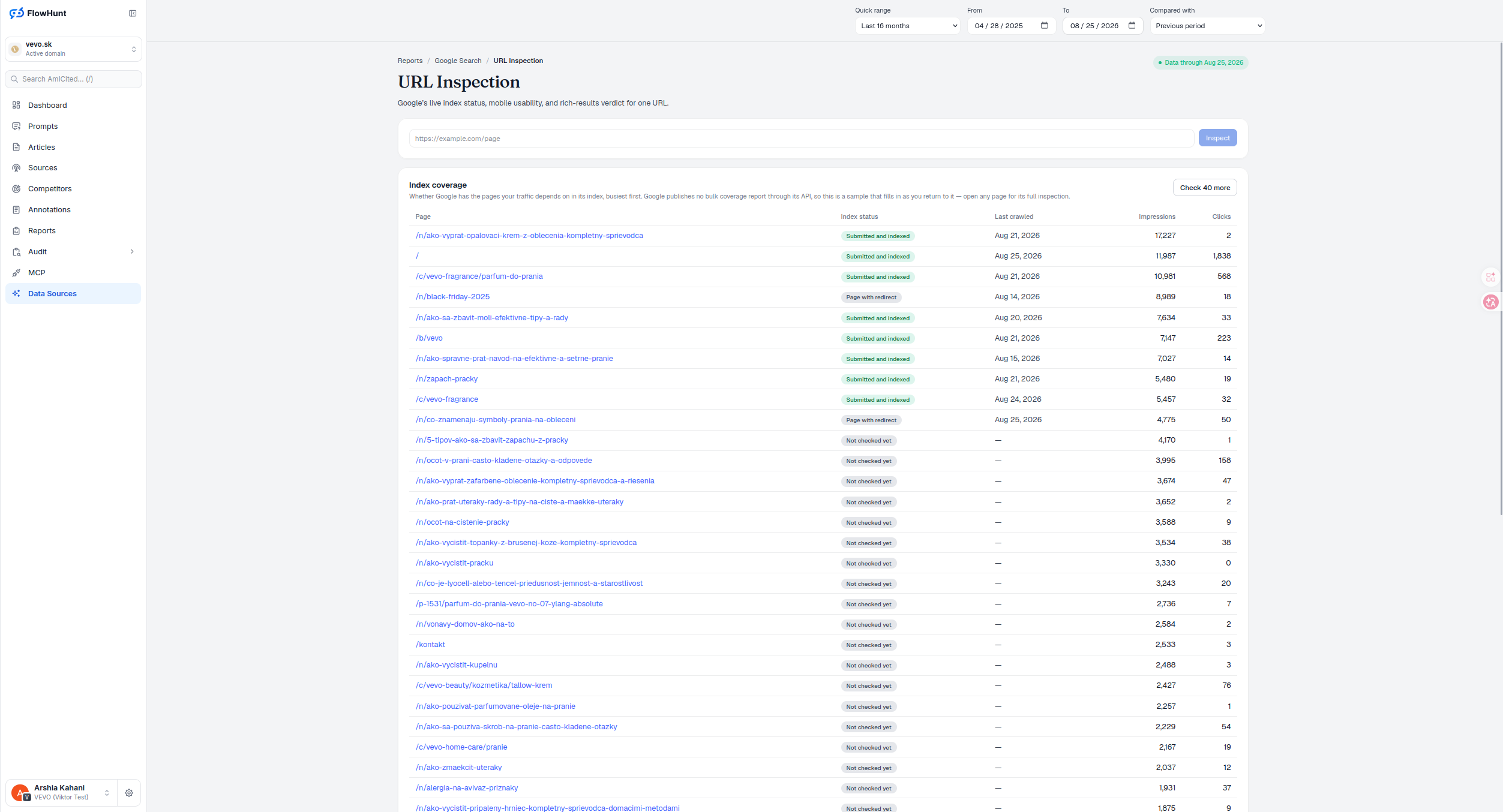
- Before waiting it out, rule out an indexing problem such as a leftover noindex, a robots.txt block or a missing sitemap, and check the Manual actions report.
- Domain age alone isn’t a ranking factor, so an aged or new domain doesn’t skip the ramp-up. Long-tail queries usually rank first, head terms later.
Where AmICited fits
AmICited reads Google Search Console and Bing Webmaster Tools and charts how many of your keywords rank in the top 3, 10, 20 and 100 each day, so a new site can see the long tail fill in before head terms move. Its Sources report lists the domains AI engines already cite in your category.
See the search queries report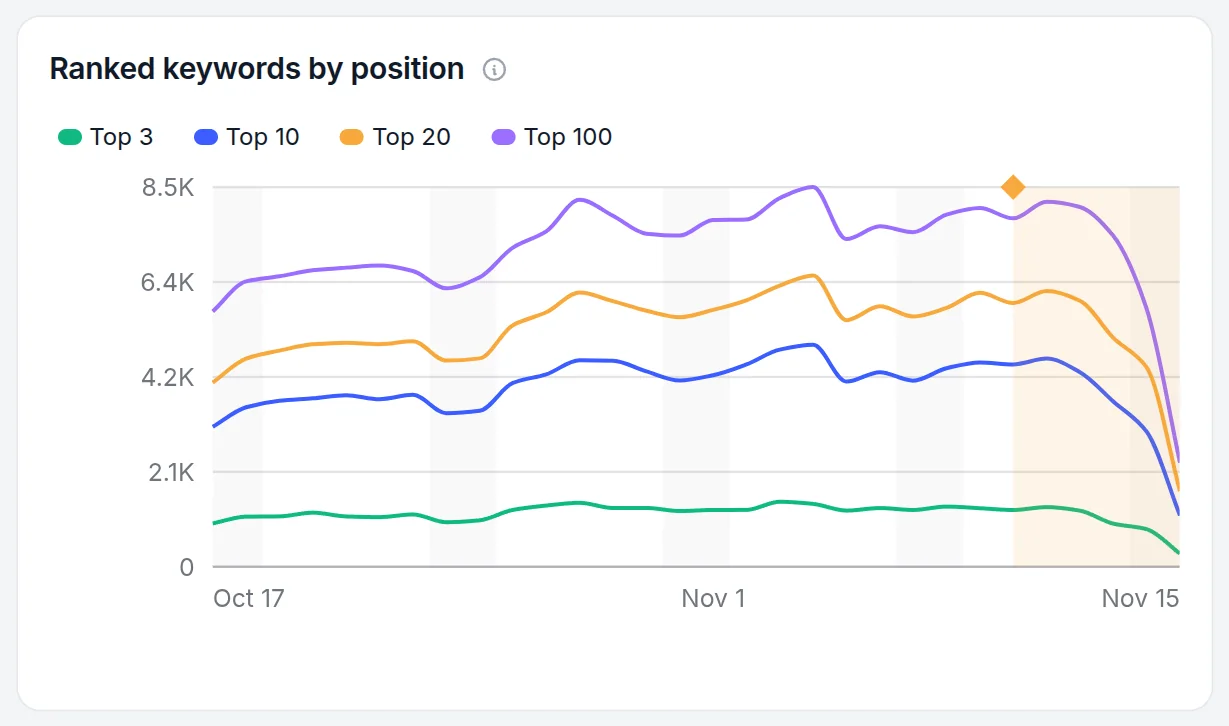
What Is the Google Sandbox?
The Google Sandbox is a theory that Google deliberately keeps new websites from ranking for competitive search terms for a period after launch, as if they were placed in a sandbox to prove themselves. The term spread in SEO forums around 2004, when site owners noticed that new domains struggled to rank even with good content and links.
Google has consistently denied running a sandbox filter. Its representatives, including John Mueller, have said there’s no mechanism that holds new sites back on purpose. Yet “Google sandbox” is still searched often, mostly by people who launched a site a few weeks ago and can’t find it for their main keywords. The pattern they see is real. The explanation is less mysterious than a hidden filter.
Why New Sites Rank Slowly
A new domain starts with almost none of the signals Google uses to rank pages with confidence.
- Discovery and indexing take time. Google has to find the site, crawl it and decide which pages to index. New sites usually get a small crawl rate at first.
- No links. Backlinks are still one of the main ways Google judges authority. A new site has few or none.
- No history. Google hasn’t seen how users respond to the site, or whether it stays maintained.
- No topical depth. A site with eight pages can’t show the topical authority that an established site with 200 pages on the subject has.
- Strong competition. For competitive terms, the top results have years of links and content. Matching them takes time even if your page is better.
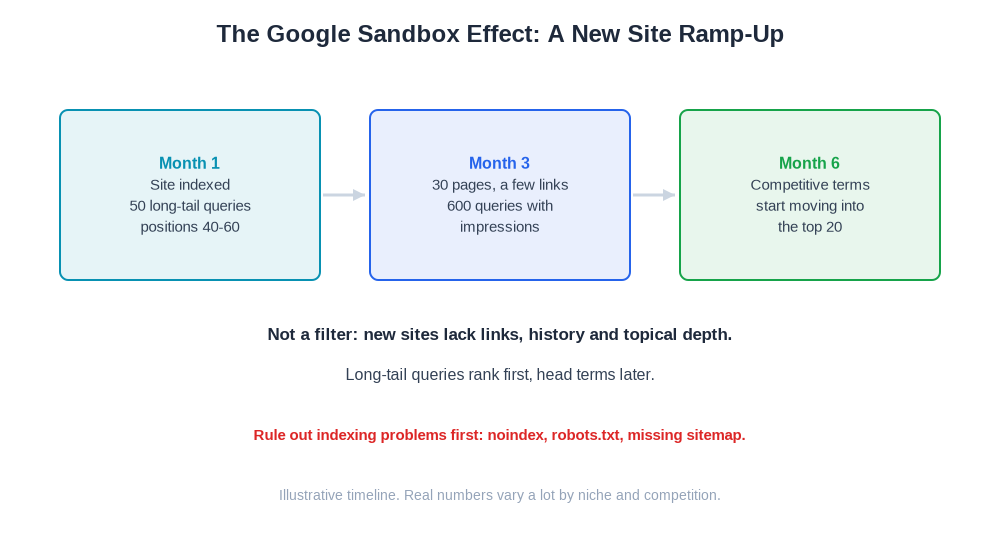
A typical ramp looks like this. Month 1: the site gets indexed and shows impressions for 50 long-tail queries at average positions around 40–60. Month 3: with 30 published pages and a handful of relevant links, it has impressions for 600 queries and starts reaching page one for some low-competition ones. Month 6: competitive terms start moving into the top 20. These numbers vary a lot by niche. The shape (long tail first, head terms later) is what most new sites experience.
Google Sandbox vs Penalty vs Indexing Problem
A slow start can look like other problems. Rule those out before you wait it out.
| Symptom | Likely cause | How to check | What to do |
|---|---|---|---|
| Pages not in Google at all | Indexing problem: noindex, robots.txt block, no sitemap | URL Inspection, Pages report in Search Console | Fix the block, submit a sitemap, request indexing |
| Indexed, impressions only for long-tail, low positions on head terms | Normal new-site ramp-up (“sandbox”) | Performance report, rising query count | Keep publishing, build links, target long-tail |
| Was ranking, then dropped sharply | Algorithm update, technical change or penalty | Manual actions report, update dates, recent releases | Diagnose the specific cause |
| Ranking only for brand name | Thin content or weak targeting | Compare pages with top results | Improve content depth and intent match |
If the Manual actions report shows an issue, you’re dealing with a Google penalty, not a sandbox.
Google Sandbox vs Domain Age
Domain age on its own isn’t a ranking factor, according to Google. A domain registered 10 years ago and never used is effectively new. What builds over time is everything that usually comes with age: links, content, brand searches and a track record. That’s why buying an aged domain doesn’t skip the ramp-up, and why Google added expired domain abuse to its spam policies in 2024 for domains repurposed to host unrelated, low-value content.

Stay Updated on AI Visibility Trends
Get the latest insights on AI mentions, brand monitoring, and optimization strategies.
The Google Sandbox and AI Search
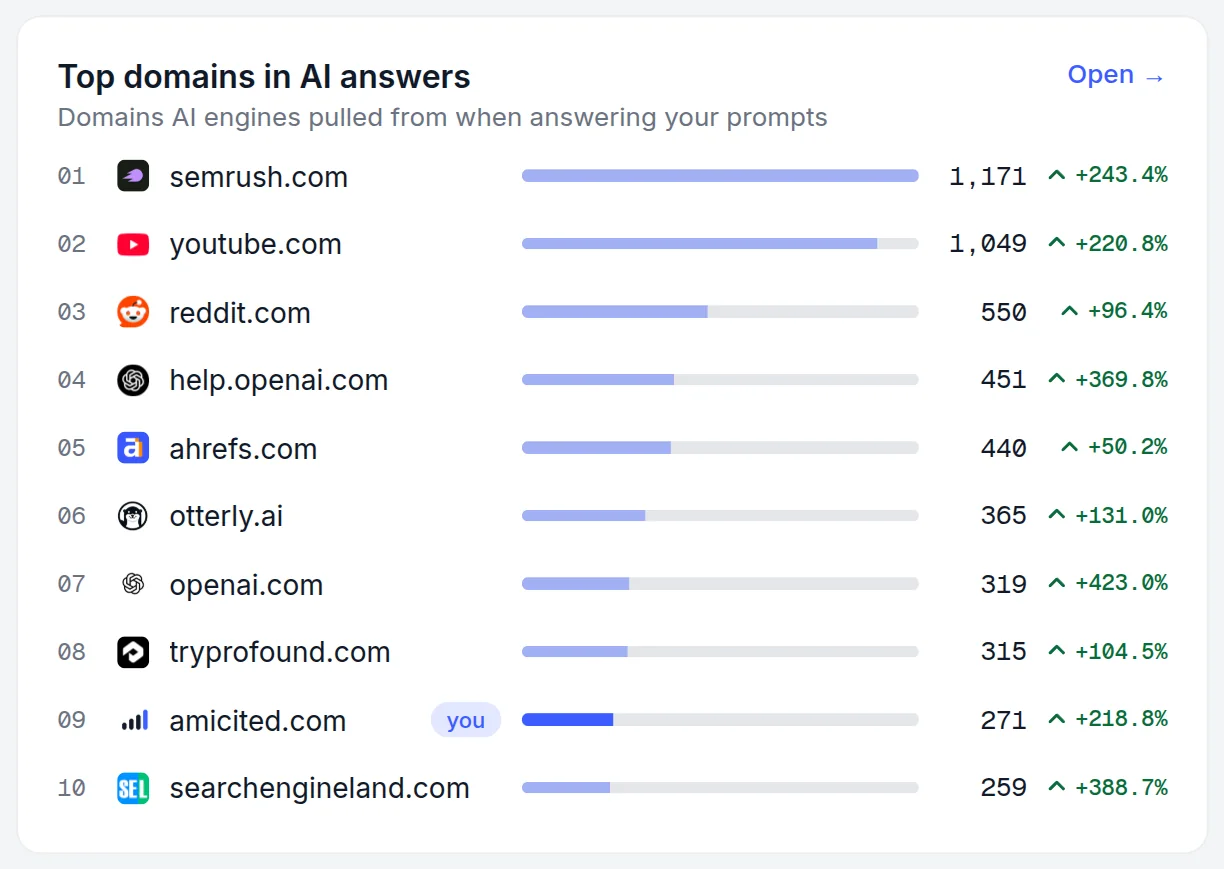
New sites face a similar cold start in AI search. ChatGPT, Perplexity, Gemini and Google AI Overviews tend to cite sources that are already well established: ranking pages, review sites, forums and publications. A brand that launched last month rarely appears in answers, regardless of how good its pages are.
Earning mentions on the sources AI engines already trust can shorten that gap, since engines repeat what those sources say. AmICited’s Source and Citation Intelligence shows which domains engines cite in your category, a practical target list for a new brand.
Best Practices for New Sites
- Confirm indexing early: verify the site in Google Search Console, submit an XML sitemap and check the Pages report.
- Start with long-tail queries that have clear intent and weak competition, then work up to head terms.
- Publish in one focused topic area and link those pages together.
- Earn a few relevant links and mentions through partners, PR, directories in your niche and original data.
- Keep publishing and updating on a steady schedule rather than launching everything at once and stopping.
- Track the number of queries with impressions each month. Steady growth means the site is on track.
Common Google Sandbox Mistakes
The most common mistake is blaming the sandbox for an indexing problem. Sites launch with a leftover noindex, a robots.txt block or no sitemap, and owners wait months for a “sandbox” to end when the site was never eligible to rank. Check Search Console first.
Other mistakes include targeting only the most competitive head terms from day one, buying links to “escape the sandbox” (which risks a real penalty), and switching to a new domain because the first one “got sandboxed”, which only restarts the clock.