


- Live shopping is a real-time video stream where a host demonstrates products and viewers buy them inside the stream, with the item pinned on screen for checkout.
- In the US it runs mainly on TikTok Shop LIVE, Amazon Live, YouTube and Whatnot, plus embedded video on brand sites. Meta ended its live shopping features in 2022 and 2023.
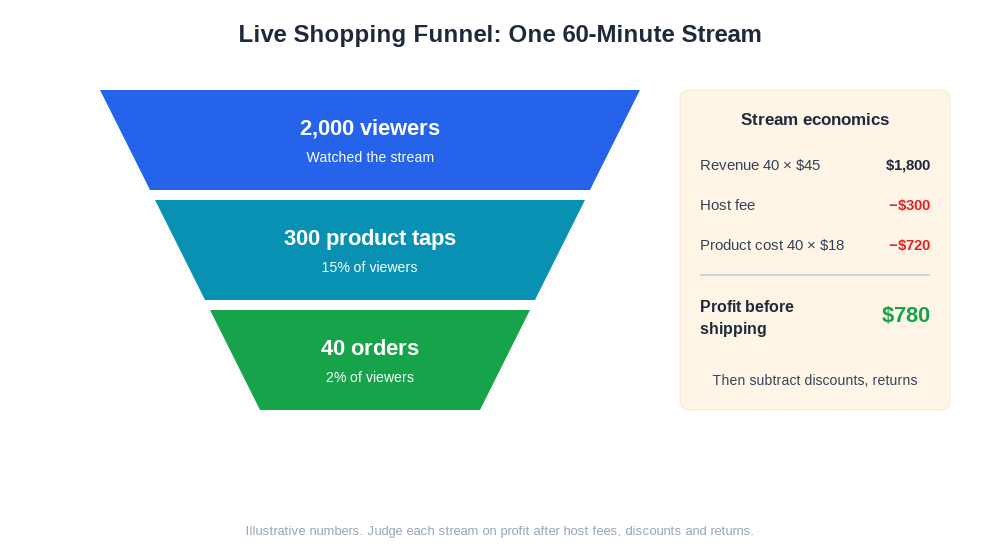
- Measure each stream as a small funnel: viewers, product taps, orders, then profit after host fees, discounts and returns.
- It is one format within social commerce. What sets it apart is the two-way chat, which lets the host answer questions and run timed offers.
Where AmICited fits
AI assistants don’t watch streams, but they do cite the videos, threads and reviews that follow them. AmICited’s UGC Influence report shows which YouTube videos, Reddit threads and forum posts ChatGPT, Perplexity, Gemini and Google’s AI answers cite for the prompts you track.
See UGC Influence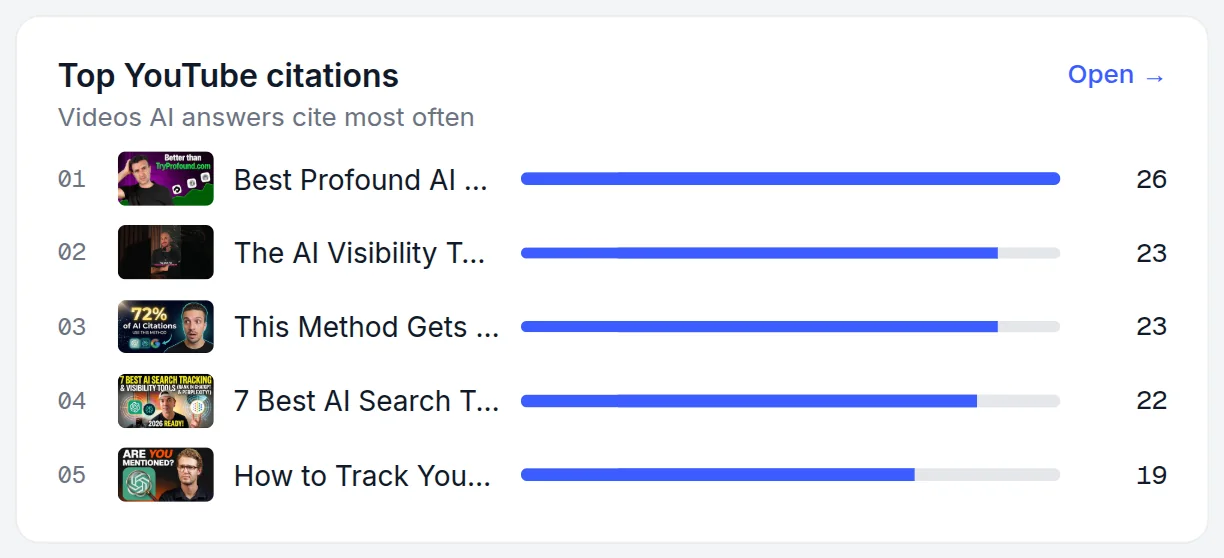
What Is Live Shopping?
Live shopping is a real-time video stream where a host shows and sells products, and viewers buy them inside the stream. Think of a TV shopping channel with a chat box and a “buy” button. The host demonstrates a serum, a jacket or a trading card, answers questions from the chat, mentions a limited-time price, and the product appears pinned on screen for checkout.
The format grew first in China, where Taobao Live made it mainstream in the late 2010s. In the US, it runs mainly on TikTok Shop LIVE, Amazon Live, YouTube and Whatnot, and on brand sites through embedded video tools. It is a subset of social commerce and often relies on creators and affiliates as hosts. Meta tested live shopping on Facebook and Instagram but ended those features in 2022 and 2023.
How Live Shopping Works
A live shopping event follows a familiar structure:
- Plan the run of show. Pick 5 to 15 products, set any stream-only offers, prepare stock and talking points.
- Promote ahead. Announce the time to followers, email and SMS lists, and set reminders on the platform.
- Go live. The host demonstrates products, pins each one as it’s discussed, and answers chat questions in real time.
- Convert in stream. Viewers tap the pinned product and check out in the app or on your site.
- Repurpose. Cut the recording into short clips for product pages, ads and organic posts.
Measure each stream like a small funnel. Say a 60-minute stream reaches 2,000 viewers. 300 tap a product (15%), and 40 buy, so 2% of viewers ordered. At a $45 average order, that’s 40 × $45 = $1,800 in revenue. If the host costs $300 and products cost $18 each to make, profit before shipping is $1,800 − $300 − (40 × $18) = $780. Now subtract stream discounts and returns, which live sales tend to have more of.
Live Shopping Platforms Compared
| Platform | Audience strength | Checkout | Typical sellers |
|---|---|---|---|
| TikTok Shop LIVE | Younger shoppers, creator-led discovery | In-app TikTok Shop checkout | Beauty, fashion, gadgets, creators with affiliate links |
| Amazon Live | Shoppers already on Amazon with purchase intent | Amazon product pages | Brands selling on Amazon, Amazon influencers |
| YouTube live with shopping | Long-form viewers, tech and hobby niches | Links to the merchant’s store | Creators and brands with a YouTube following |
| Whatnot | Collectors and resale buyers | In-app, auction or fixed price | Trading cards, sneakers, vintage, collectibles |
| Brand site (embedded video) | Existing customers and email list | Your own checkout | DTC brands that want full data and margin |
Platform rules, fees and features change frequently. Check each seller center before planning a launch.
Live Shopping vs Social Commerce
Social commerce is the broad category: any buying that happens inside or directly from social platforms, including shoppable posts, short videos and in-app shops. Live shopping is one format within it, defined by real time. The host can respond to questions, run timed offers and create urgency in a way a static post can’t. The trade-off is that live events take more effort per sale and depend heavily on the host’s skill.
Live shopping also differs from the TV shopping channels it most resembles. TV shopping broadcasts one way to a mass audience and takes orders by phone or website. Live shopping is two-way: the host sees questions as they come in, can show the back of the product or try a different size on request, and viewers can see what others are asking and buying. That interaction is the main reason brands use the format instead of simply posting a recorded video of the same demo.

Stay Updated on AI Visibility Trends
Get the latest insights on AI mentions, brand monitoring, and optimization strategies.
Live Shopping and AI Search
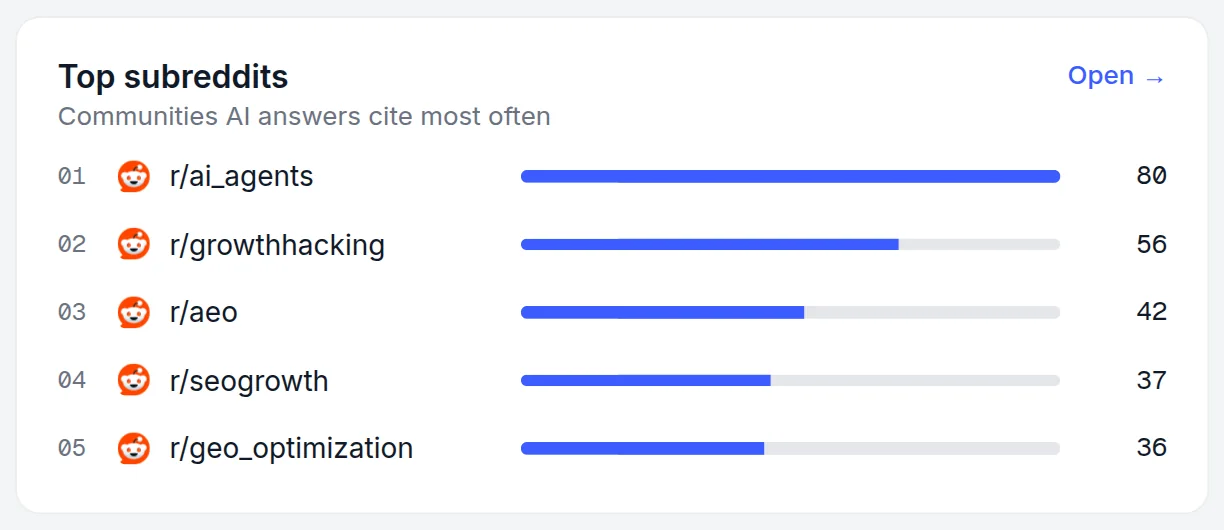
The link to AI search is fairly thin. AI assistants don’t watch live streams. What they can read is the text around them: product pages, reviews and the articles or forum threads that discuss products after a stream made them popular. If a live event drives a burst of interest, make sure your product pages, specs and user-generated content are strong enough for that interest to show up where ChatGPT and Perplexity look. AmICited’s UGC Influence report shows which Reddit threads, YouTube videos and forum posts AI engines use in your category.
Best Practices for Live Shopping
- Choose products that need demonstration, and keep the lineup tight so each item gets real airtime.
- Use hosts who know the product and can answer questions, not just read a script.
- Schedule streams at a regular time so viewers build a habit.
- Make sure stock is reserved before you go live, so pinned items don’t sell out in the first minutes.
- Cut every stream into short clips for product pages and ads; the recording keeps working after the event.
- Measure profit per stream after host fees, discounts and returns, not just orders.
Common Live Shopping Mistakes
The most common mistake is treating a stream as a broadcast instead of a conversation. Hosts who ignore the chat lose viewers fast. Another is relying on deep discounts to drive orders, which trains your audience to buy only during streams and wipes out margin.
Brands also launch without promotion, then judge the channel on a stream that 80 people watched. And many forget the operations side: stock not reserved, slow shipping after a big stream, or no plan for the return rate that impulse purchases bring. Those problems show up in reviews later, and the reviews are what search engines and AI assistants read.