


- Social commerce is selling inside social platforms: a shopper discovers a product in a video, post or live stream, taps a tag and buys in the app or on the brand’s site in a few steps.
- In the US the main channels are TikTok Shop, Instagram, Facebook, Pinterest, YouTube and Snapchat. TikTok Shop checks out in the app, while Meta has moved most Shops to checkout on the merchant’s site.
- It is discovery-led rather than search-led. That creates new demand but also more impulse buys, returns and lower repeat purchase.
- Judge it on orders, revenue and margin per creator or piece of content, not on views and engagement.
Where AmICited fits
AI assistants don’t browse TikTok Shop, but they do cite the public posts around it. AmICited’s UGC Influence report lists the Facebook posts, Reddit threads and YouTube videos that ChatGPT, Perplexity, Gemini and Google’s AI answers cite for your tracked prompts.
See UGC Influence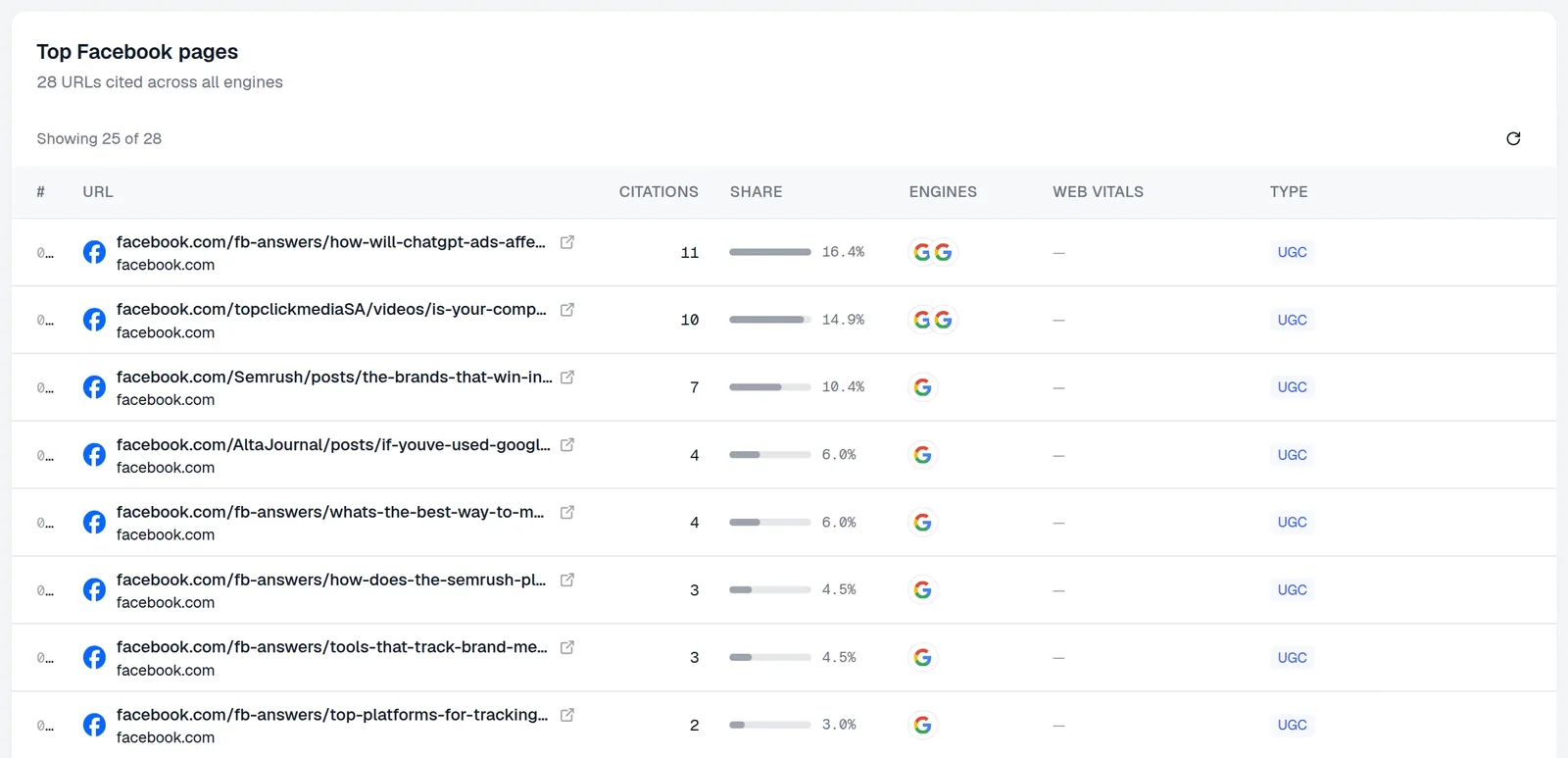
What Is Social Commerce?
Social commerce is selling products inside social media platforms, so the shopper can discover, evaluate and often buy without leaving the app. A product appears in a video, post or live stream, the shopper taps a tag, sees price and details, and checks out in the app or on the brand’s site in a couple of steps.
In the US the main channels are TikTok Shop, Instagram and Facebook, Pinterest, YouTube and Snapchat. TikTok Shop launched in the US in 2023 and made in-app checkout a mainstream habit for many younger shoppers. Meta, by contrast, has moved most Shops to checkout on the merchant’s own website. Social commerce leans heavily on creators and on UGC ads, and it overlaps with live shopping and creator affiliate programs.
How Social Commerce Works
Most social commerce follows the same loop:
- Catalog sync. Your product catalog connects to the platform (for example through Meta Commerce Manager or TikTok Shop Seller Center), often via a Shopify or BigCommerce app.
- Content with product tags. Brand posts, creator videos, ads and live streams tag specific products.
- Discovery in the feed. The platform’s algorithm shows that content to people likely to buy, not only to your followers.
- Product view and checkout. The shopper taps through to a product page inside the app, then pays in-app or on your site.
- Fulfillment and service. You ship the order and meet the platform’s shipping and response standards.
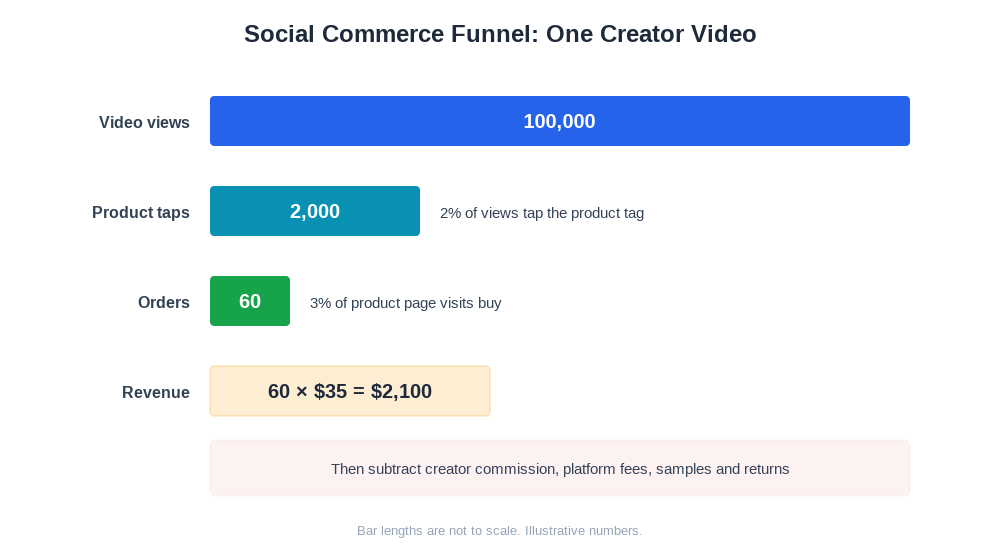
Measure it as a funnel from views to orders. Say a creator video gets 100,000 views. 2% tap the product tag, giving 2,000 product page visits. 3% of those buy, which gives 60 orders. At $35 per order, that’s $2,100 in revenue. Subtract the creator’s commission, the platform fee and any free samples, and compare it with what the same budget earns in paid ads. The view count looks big; the orders are what pay.
Social Commerce Platforms Compared
| Platform | Main formats | Checkout | Best fit |
|---|---|---|---|
| TikTok Shop | Short videos, LIVE, creator affiliate links | In-app | Impulse-friendly products, beauty, gadgets, fashion |
| Reels, posts, Stories with product tags | Mostly on the brand’s site | Visual brands with an engaged following | |
| Shops, posts, groups, Marketplace | Mostly on the brand’s site | Broad audiences, older demographics, local sellers | |
| Product pins, shopping ads | On the brand’s site | Planned purchases: home, fashion, weddings, recipes | |
| YouTube | Product tags in videos, Shorts and live | On the brand’s site or partner store | Products that need a review or demo |
Platform features and checkout options change often. Check each platform’s seller help center before building a plan around a specific feature.
Social Commerce vs Ecommerce
Traditional ecommerce is search-led: a shopper knows what they want and types it into Google or Amazon. Social commerce is discovery-led: the shopper wasn’t looking until a video showed them the product. That changes the economics. Social commerce can create demand that didn’t exist, which is valuable for new brands, but it also produces more impulse buys, which can mean a higher return rate and lower repeat purchase. Many brands use social commerce for acquisition and their own site or multichannel mix for retention.
Social commerce also differs from social media marketing. Marketing uses social platforms to build awareness and send people elsewhere, and it’s measured by reach and engagement. Social commerce closes the sale on or straight from the platform, and it’s measured by orders, revenue and margin. The same post can do both jobs, but the team should know which one it’s being judged on.

Stay Updated on AI Visibility Trends
Get the latest insights on AI mentions, brand monitoring, and optimization strategies.
Social Commerce and AI Search
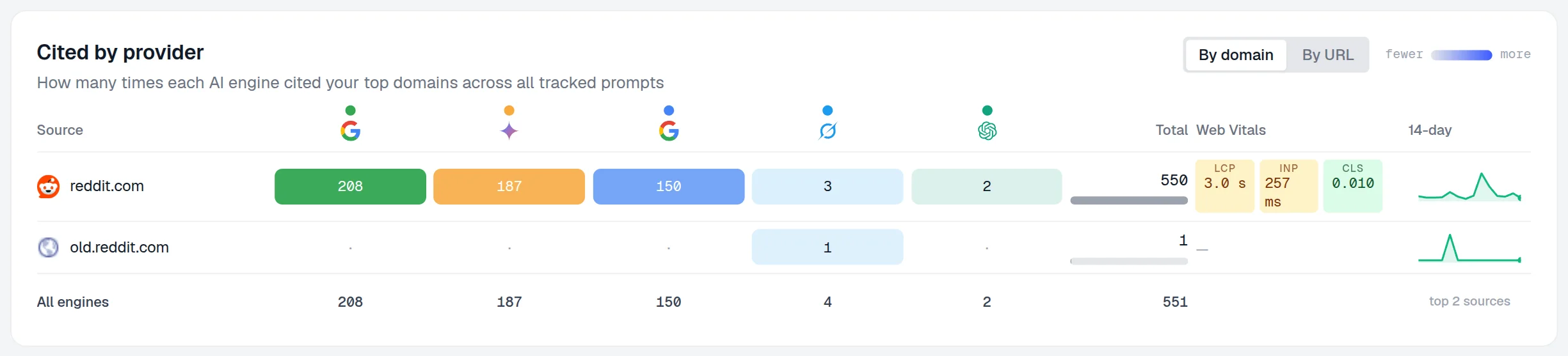
AI assistants don’t browse TikTok Shop, but they do read the public conversation that social commerce creates. YouTube reviews, Reddit threads and forum posts are common sources when ChatGPT, Perplexity or Google’s AI answers recommend products. A product that people discuss in detail in public has more material for an AI engine to draw on than one sold only through short, untexted videos.
AmICited’s UGC Influence report shows which Reddit threads, YouTube videos and forum posts AI engines use in your category, which is a useful map of where social proof affects AI recommendations.
Best Practices for Social Commerce
- Keep the product catalog synced and accurate: price, stock and variants must match your store.
- Work with creators who already use products like yours, and give them freedom to present it their way.
- Build content for each platform’s format rather than reposting the same clip everywhere.
- Track orders, revenue and returns per piece of content and per creator, not just views.
- Answer comments and DMs quickly; in social commerce, the comments section is part of the product page.
- Encourage reviews and longer-form content (YouTube, Reddit, blogs) that lasts beyond the feed.
Common Social Commerce Mistakes
The most common mistake is judging social commerce on views and engagement instead of orders and margin. A viral video can produce lots of attention and very few sales. Another is chasing every platform at once with recycled content, so none of them get the native, platform-specific posts their algorithms reward.
Brands also underestimate the operations side. A video that takes off can sell out stock in a day, and slow shipping or stockouts then show up as bad reviews and platform penalties. Finally, many brands rely entirely on creator content they don’t own, with no plan to capture customers’ emails, so every sale has to be bought again.