


- SEO earns unpaid rankings in the organic results. SEM means paying for search ads, usually per click. Both target the same moment: someone typing a query.
- SEM traffic starts the same day and stops when the spend stops. SEO usually takes months, but rankings can keep bringing clicks with no fee per click.
- PPC is a billing model, not a channel: it also covers social, display and marketplace ads. SEM is the search part of it.
- They work best as one plan: test keywords with ads, build pages for the ones that convert, and check whether ads on terms you already rank first for add any clicks.
Where AmICited fits
AmICited’s Unified Keywords report puts organic clicks and position from Google and Bing in the same row as spend and conversions from your connected ads accounts, so you can see where ads buy clicks you would have earned organically.
See Unified Keywords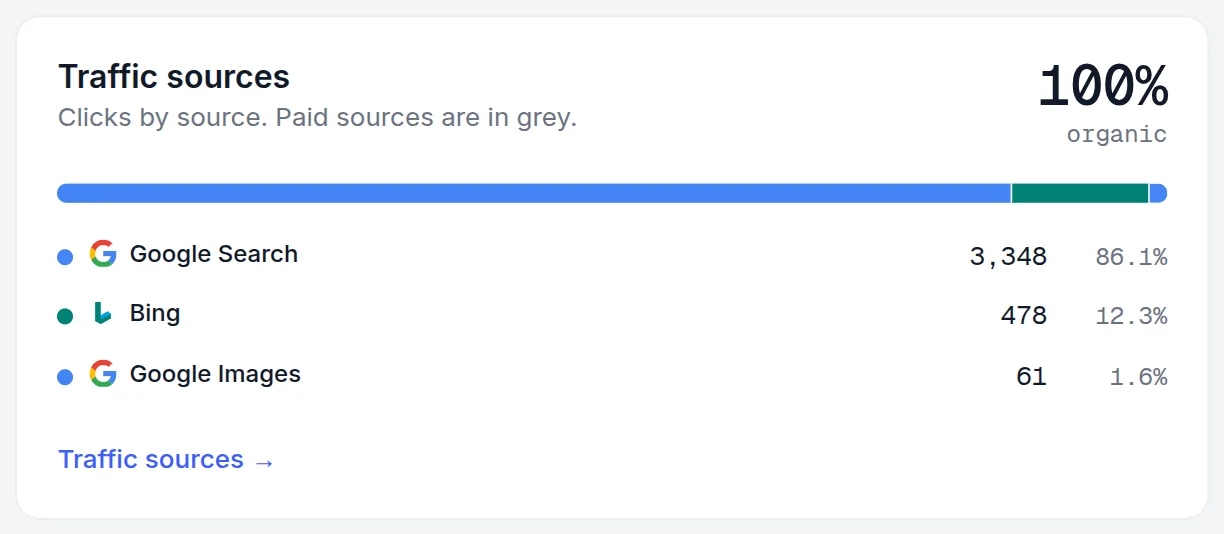
What Is SEO vs SEM?
SEO vs SEM is the comparison between the two ways a business can get traffic from search engines. SEO (search engine optimization) means earning unpaid rankings in the organic results by making pages that search engines judge relevant and useful. SEM ( search engine marketing) means paying for ads that appear in search results, usually on a cost-per-click basis.
Both target the same moment: someone typing a query into Google, Bing or another engine. Marketing teams, agencies and business owners weigh them against each other when deciding budgets. In practice they share keyword research and landing pages, and the data from one often improves the other. The question is less “which one” and more “how much of each, and where”.
How SEO and SEM Work Differently
SEO works through ranking systems you cannot pay to influence. You:
- Research what people search for and the intent behind it.
- Create pages that answer those searches better than competing pages.
- Make the site easy to crawl, fast and technically sound.
- Earn links and mentions from other sites.
- Wait for search engines to crawl, index and rank the pages.
SEM works through an ad auction. You choose keywords, write ads, set bids and a budget, and your ads can show on the next search. You pay when someone clicks.
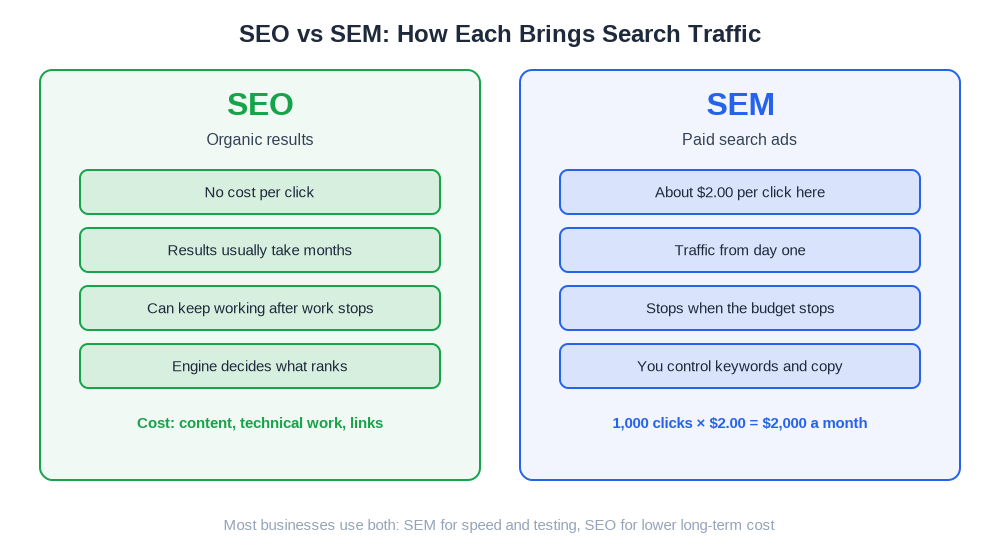
The cost difference is easiest to see with numbers. Say a keyword cluster could bring you 1,000 clicks a month, and the average cost per click in Google Ads is $2.00.
- SEM: 1,000 clicks × $2.00 = $2,000 a month, every month, for as long as you want the traffic.
- SEO: you might spend a similar amount on content and links for several months before the page ranks, then much less to maintain it. Once it ranks, those 1,000 clicks cost nothing per click.
Over a year, SEM is predictable but never gets cheaper. SEO costs more than it returns at first, then becomes cheaper per visit the longer the rankings hold. See SEO ROI for how to measure that honestly.
SEO vs SEM Compared
The table sets out the main differences.
| SEO | SEM (paid search) | |
|---|---|---|
| Where results appear | Organic listings | Ad slots marked “Sponsored” |
| Cost model | Content, technical work, links; no per-click fee | Pay per click (or impression) |
| Time to results | Usually months | Same day |
| When it stops | Rankings can last after work stops | Traffic stops when spend stops |
| Control | Indirect; the engine decides | Direct control of keywords, copy, budget, timing |
| Targeting | By the queries your pages rank for | By keyword, location, device, audience, schedule |
| Testing speed | Slow, results take weeks | Fast, A/B tests in days |
| Click share | Organic results get most clicks on many informational queries | Ads take prominent space on commercial queries |
| Best for | Long-term traffic, informational content, authority | Launches, promotions, high-intent and local terms |
SEO vs SEM vs PPC
PPC (pay-per-click) adds a third term. PPC is a billing model, not a channel: you pay per click. It covers search ads, but also social ads, display ads and marketplace ads. So SEM is the search part of PPC, and SEO is the non-paid side of search. When someone asks for “PPC”, they often mean Google Ads, which is SEM. If you hire outside help, PPC management usually covers SEM plus other paid channels.

Stay Updated on AI Visibility Trends
Get the latest insights on AI mentions, brand monitoring, and optimization strategies.
Using SEO and SEM Together
The two work best as one search plan:
- Use SEM to test, then invest in SEO. Run ads on a keyword set for a month. The keywords that convert are the ones worth building pages for.
- Use SEO to cut SEM costs. Where you rank at the top organically, check whether ads on those keywords bring extra clicks or just take clicks you would have earned anyway.
- Cover gaps with SEM. Where you pay for clicks but have no organic presence, a page could take over some of that demand. Paid-Proven Gaps lists search terms you pay for but have never had an organic impression on.
- Share copy insights. Ad headlines with a high click-through rate often make good title tags, and vice versa.
SEO vs SEM and AI Search
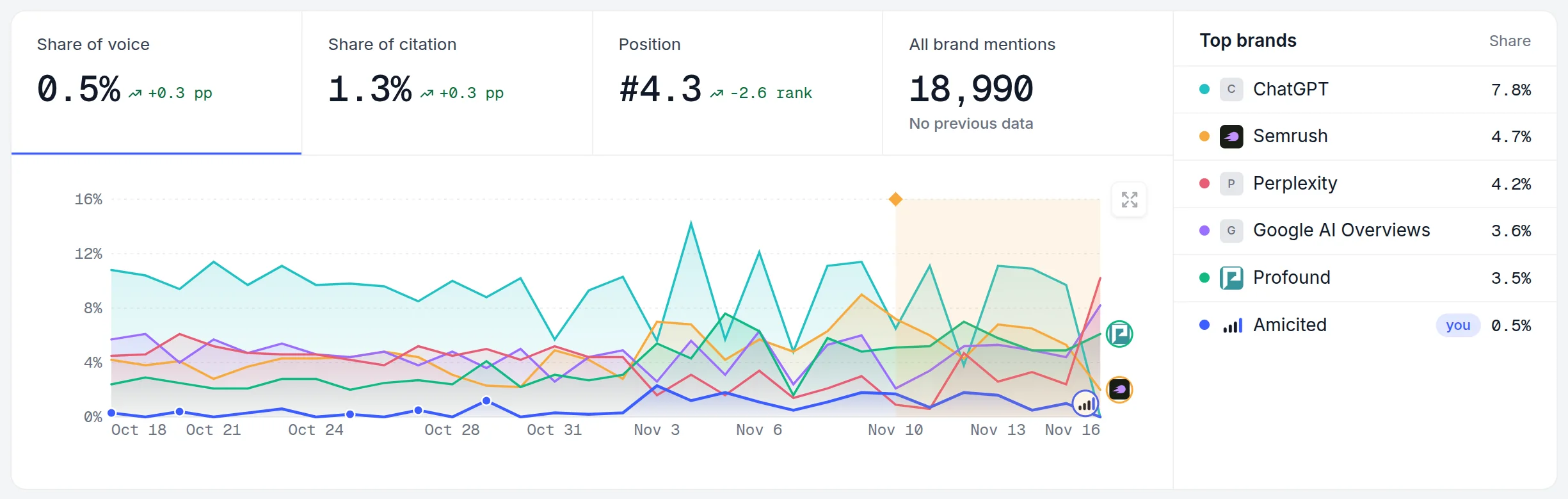
AI answers add a third place to appear. Google AI Overviews sit above many organic results, and ChatGPT, Perplexity and Gemini answer questions directly. Neither SEO nor SEM guarantees a mention there. AI engines draw on pages that rank, but also on reviews, forums and sources with clear, quotable facts. Measure AI visibility on its own rather than assuming it follows rankings or ad spend. AI visibility tracking shows how each engine cites your brand.
Best Practices for SEO vs SEM
- Split keywords by intent. Use SEM on high-intent, commercial terms, and SEO on informational and long-tail terms first.
- Track organic and paid performance per keyword in one view, so you can spot overlap. Unified Keywords puts organic clicks and paid spend in one row.
- Review brand keyword ads. Test pausing them in one region to see whether organic clicks make up the difference.
- Feed SEM conversion data into SEO priorities.
- Plan SEO on a 12-month horizon and SEM on a weekly one.
Common SEO vs SEM Mistakes
The most common mistake is treating them as rivals with separate teams, separate keyword lists and no shared data. The paid team bids on terms the site already ranks first for, while the SEO team ignores terms that ads prove convert well.
Other mistakes include expecting SEO to deliver results in weeks, then cutting it, and treating SEM as “set and forget”, which lets costs drift up. Some businesses go all-in on SEM because it is easy to measure, then find themselves locked into rising click costs with no organic fallback.