




The most consequential choice in AI visibility software is not one vendor versus another. It is whether your team needs an SEO suite that has added AI data or a GEO platform designed around AI answers.
Both categories are converging. Major and regional SEO suites now add AI-search evidence; GEO-first products start from prompts, citations and brand mentions; rank trackers such as Keyword.com sit between them.
This matters because a keyword rank is a stable-looking row: query, country, device, position and URL. An AI answer is a sampled output shaped by model, location, language, time and sometimes personalization. Putting both in one navigation does not make their datasets equivalent.
What an SEO suite is buying you
An established SEO suite starts with a large search database and workflows around keywords, backlinks, audits and competitors. Its AI module connects a new signal to those assets, often preserving known projects, permissions and reports.
AI visibility may be an add-on, beta, per-domain toolkit, separate product or credit pool. The suite logo does not reveal the sampled engines or how many responses the allowance buys.
What a GEO-first platform is buying you
A GEO-first platform treats the complete answer as primary evidence: brand mentions, position, sentiment, cited pages, competitors and sometimes fan-out searches, grouped by model, intent, country or time.
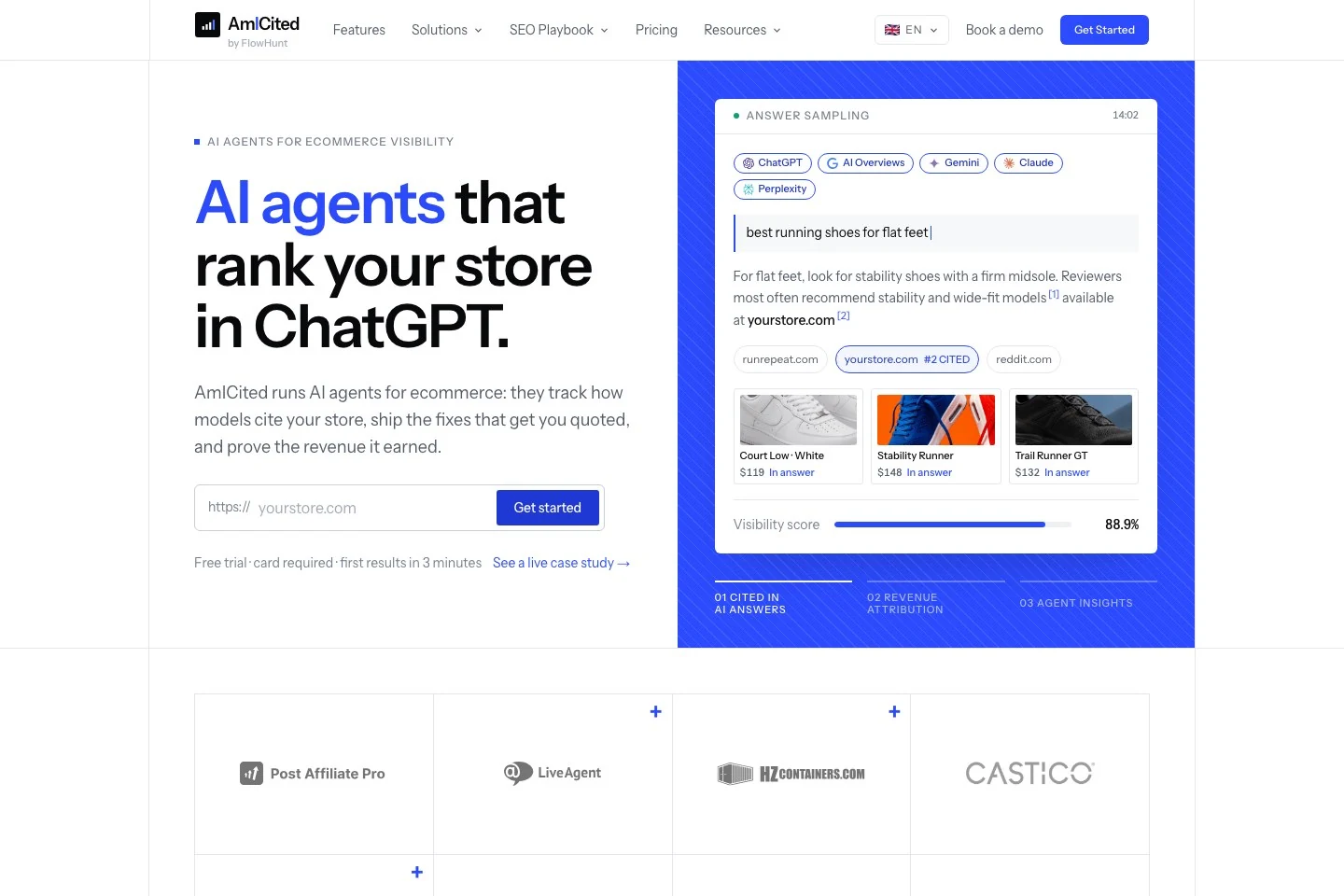
AmICited fits this model. It documents eight answer engines and 139 countries, with plan-dependent access. It connects citations to search data, coverage gaps, content work, annotations and MCP. Listed paid plans were €50, €120 and €500 per month, using credits shared by responses, agents and content tasks. Buyers must budget the whole workflow rather than divide price by stored prompts.

Ready to Monitor Your AI Visibility?
Track how AI chatbots mention your brand across ChatGPT, Perplexity, and other platforms.
Ahrefs: index-scale discovery plus custom tracking
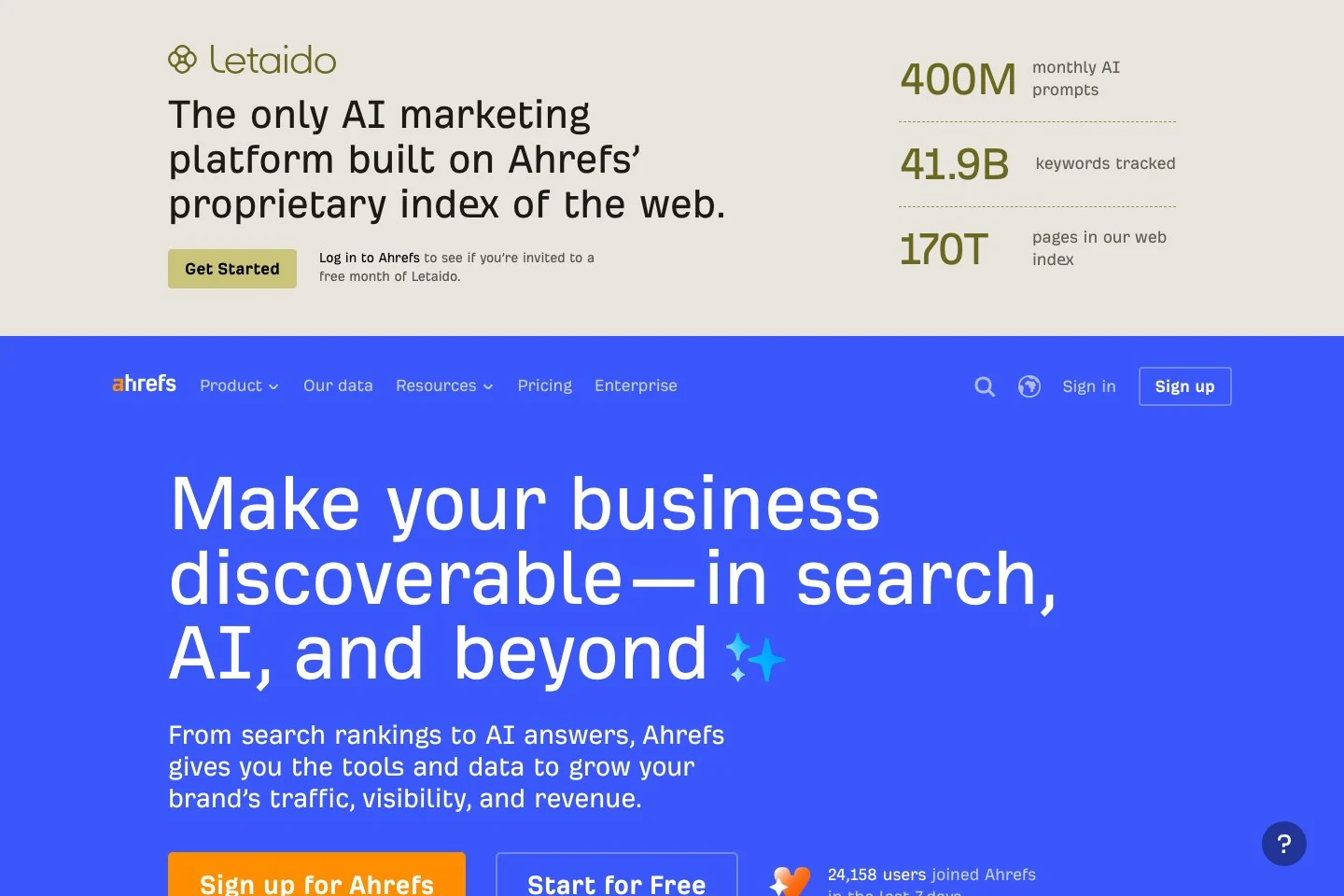
Ahrefs Brand Radar brings the company’s search-data mindset to brand discovery across AI and search surfaces. Its appeal is index-scale research: investigate where a brand, competitor or topic appears without first knowing every prompt to track. Ahrefs separates that broad indexed view from custom prompt response usage, which is a meaningful distinction for buyers.
Researched pricing started at €179 per month for the index-oriented product and €47 for custom tracking, with scope and overages affecting cost. Category discovery and recurring custom prompts are separate jobs. Ahrefs is compelling when its backlink, keyword and content research already justify the wider platform.
Semrush: a per-domain AI toolkit inside a broad marketing stack
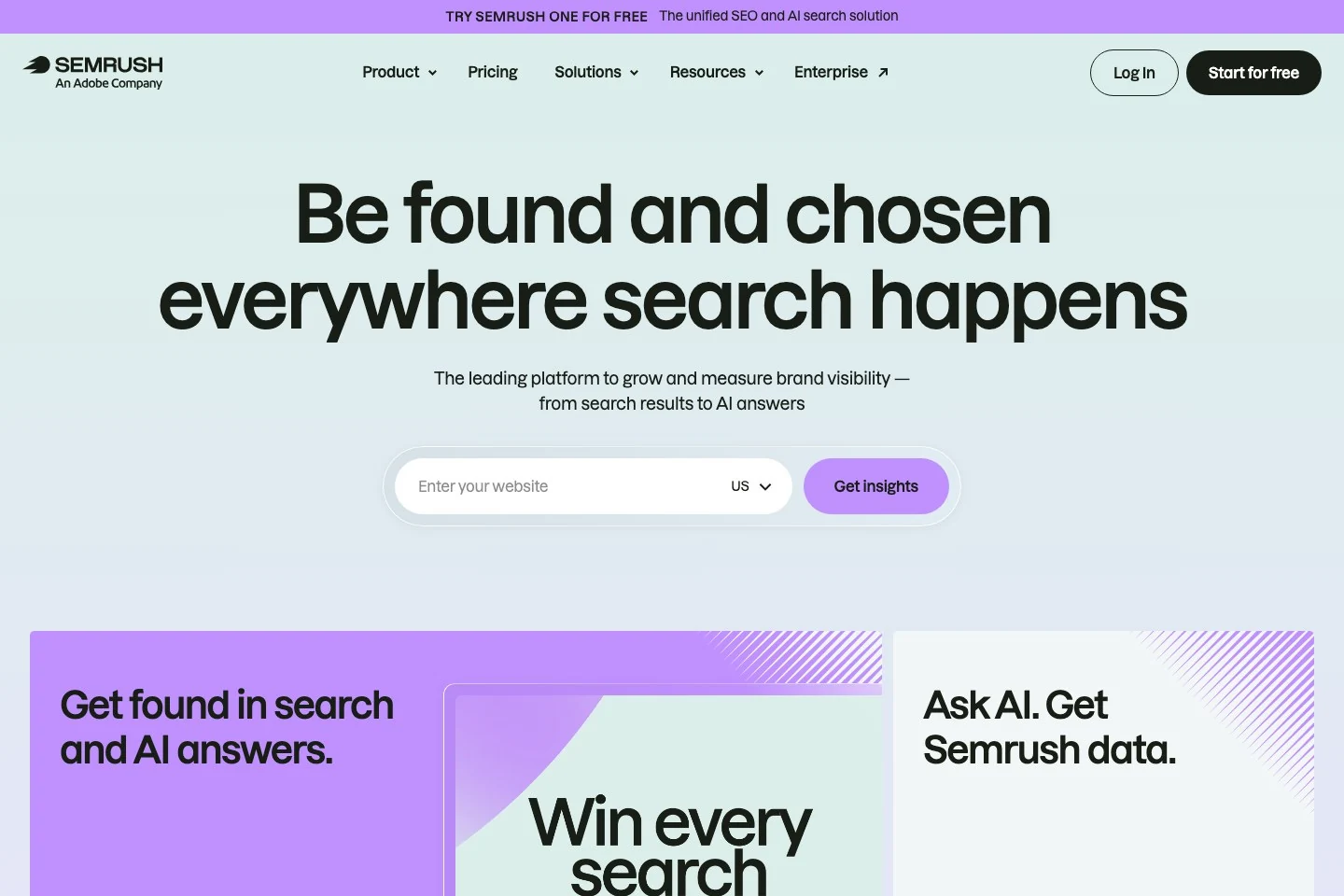
Semrush’s AI Visibility Toolkit was listed at $99 per month per domain in the researched offer. The per-domain unit is simple for one flagship brand and can become the deciding factor for an agency or a company with many country domains. User licenses, prompt limits and adjacent Semrush modules also affect the real account total.
Semrush suits a team that wants GEO evidence beside established keyword, competitor, audit and content workflows. Compare exact engine and geography support with your prompt list; an existing subscription does not imply every AI need is included.
Stay Updated on AI Visibility Trends
Get the latest insights on AI mentions, brand monitoring, and optimization strategies.
SE Ranking and SE Visible: one vendor, two product surfaces
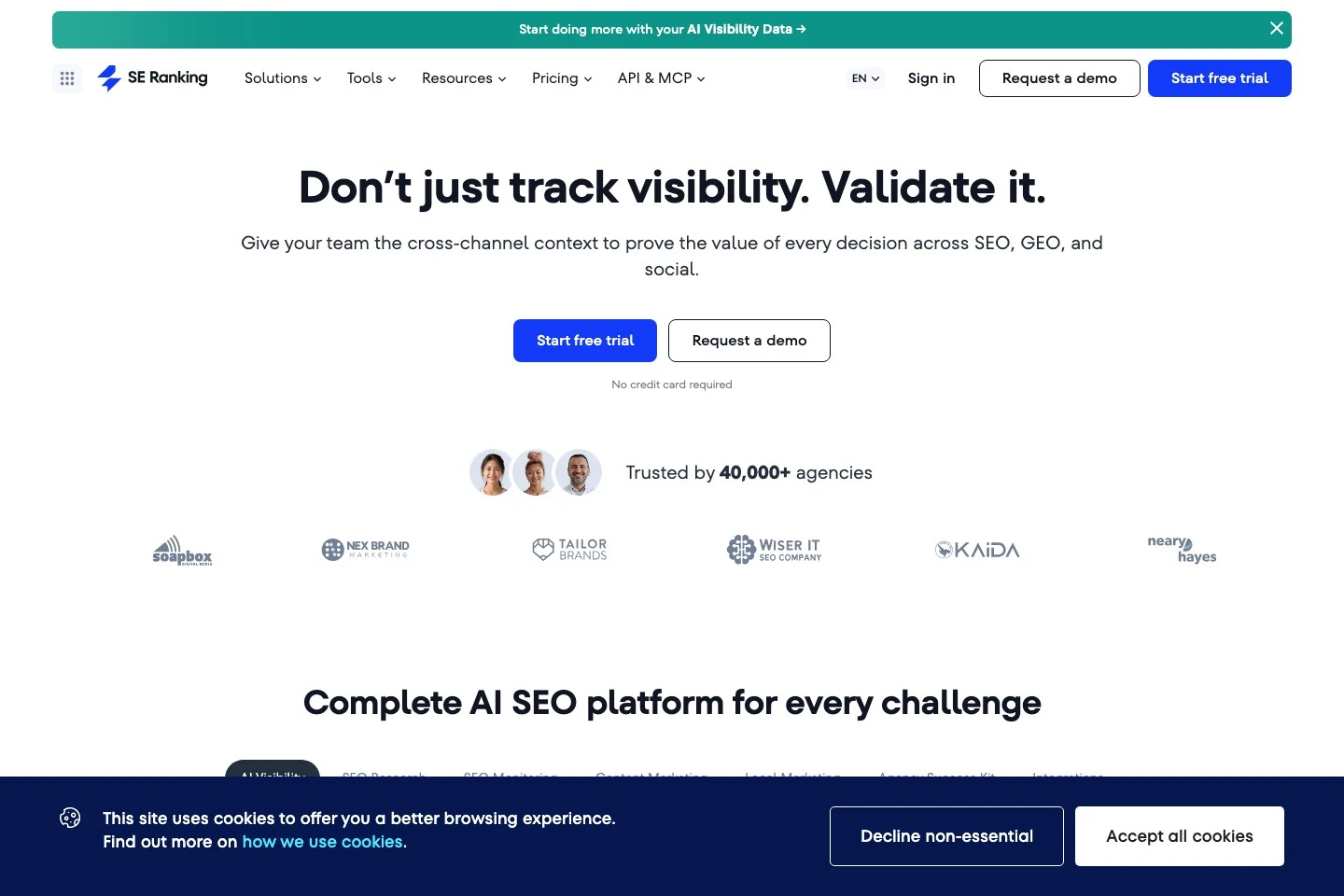
SE Ranking should not be counted twice as two independent competitors. The core suite has an AI Results Tracker, while SE Visible is the vendor’s dedicated GEO offer on the same domain. This is a good example of why comparisons should count both companies and products.
The researched SE Visible Basic offer was $99 per month, including 200 prompts, three projects and roughly 30,000 answers across ChatGPT, Gemini, Perplexity, Google AI Overviews and AI Mode. Billing terms differ. Existing users should compare what lives in the suite, what lives in SE Visible and how projects cross that boundary.
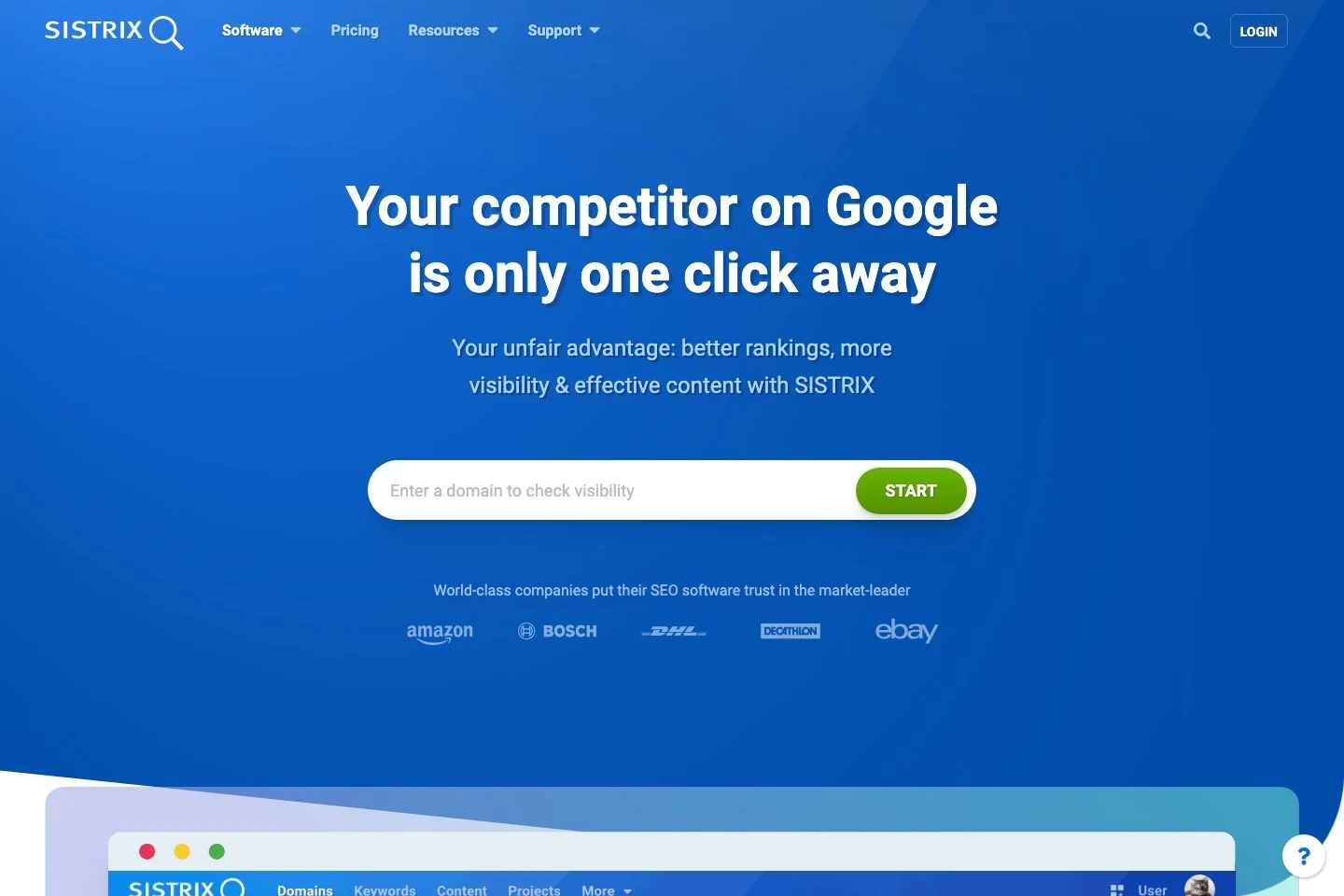
SISTRIX: European SEO continuity with AI in the suite
SISTRIX AI is positioned as part of an established European SEO platform, and the researched offer described its AI functionality as a beta available without an additional charge. The wider product is known for Google visibility, competitor and on-page analysis; recent public updates also describe AI-search reporting and prompt-research access through API and MCP.
Existing customers can explore AI evidence before funding another system, but a bundled beta is not a permanent price commitment. Check markets, engines, allowances and post-beta packaging.
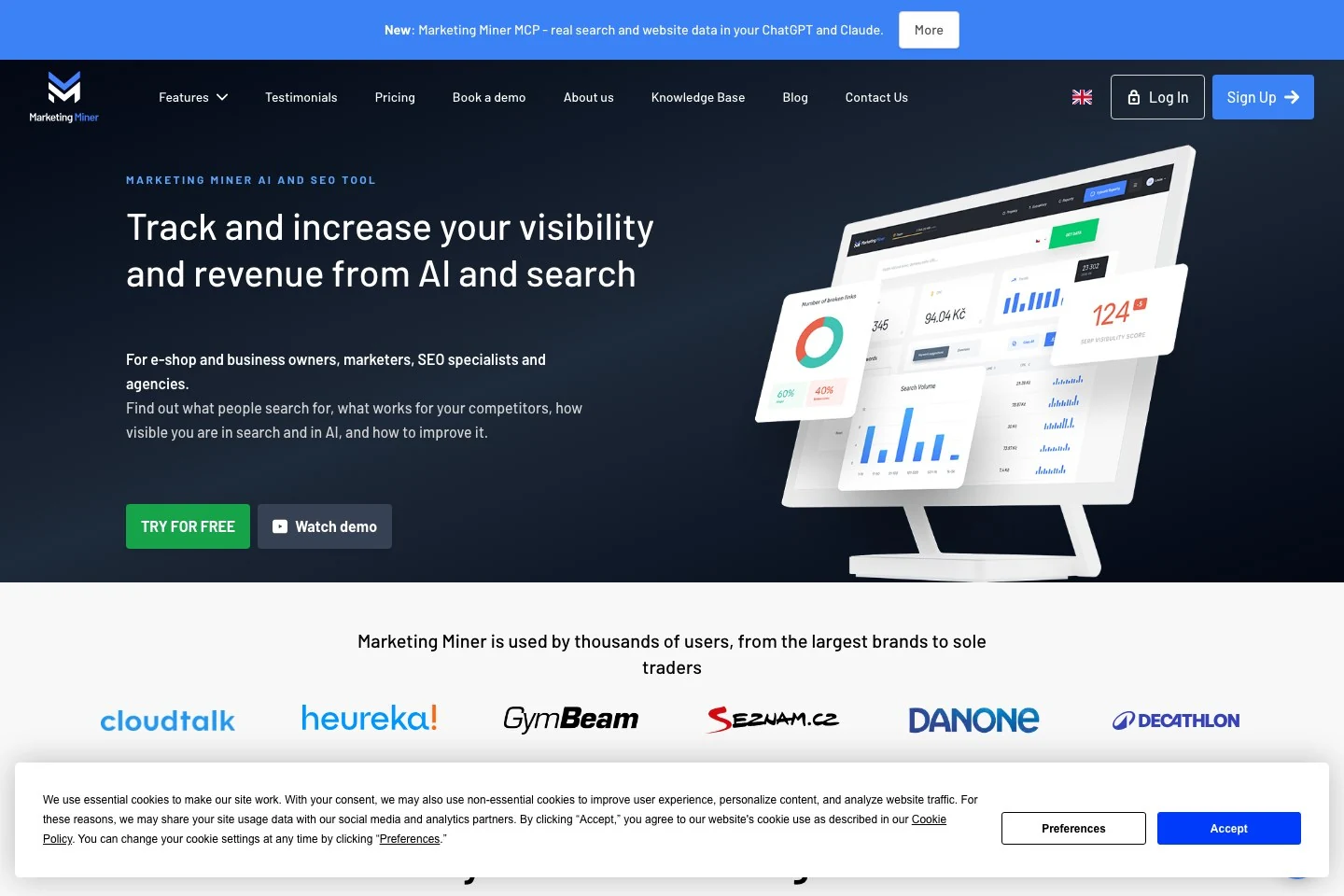
Marketing Miner and Collabim: regional data as a product advantage
Marketing Miner’s AI Visibility module sits beside bulk SEO analysis and particularly relevant Czech and Slovak data. It covers recurring visibility, sentiment, cited sources and fan-out analysis, and advertises ChatGPT ads monitoring and MCP. The pricing model combines a base subscription starting at €19 with AI packs from €20; each prompt/model combination consumes credits and those AI credits expire after 30 days. It fits teams that want AI monitoring to extend an established local SEO workbench.
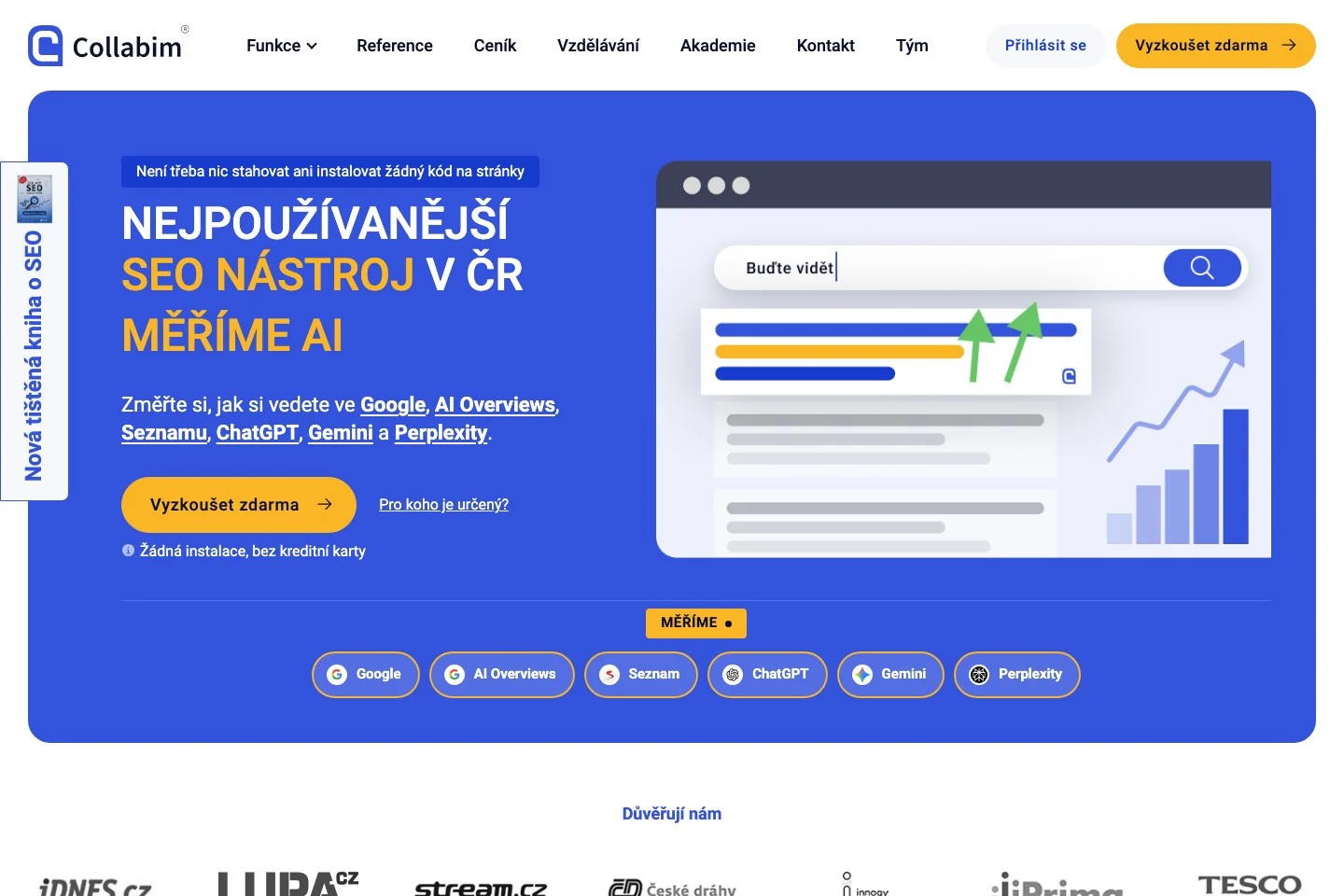
Collabim similarly adds AI visibility to a familiar Czech rank-tracking environment. Its page documents ChatGPT, Gemini and Perplexity monitoring, competitor comparisons, sentiment, sources, fan-out queries and daily, weekly or fortnightly schedules. A pack of 500 measurements was CZK 383 excluding VAT. The page also refers to Google AI surfaces in its FAQ, so confirm engine coverage and whether a base plan is required. Collabim’s strength is a legible path for Czech agencies moving existing reporting into GEO.
Local database relevance, language support and customer workflow can be more valuable than a global vendor’s scale. They do not prove identical AI execution in every country or language.
Senuto and SEMSTORM: two different Polish expansion paths
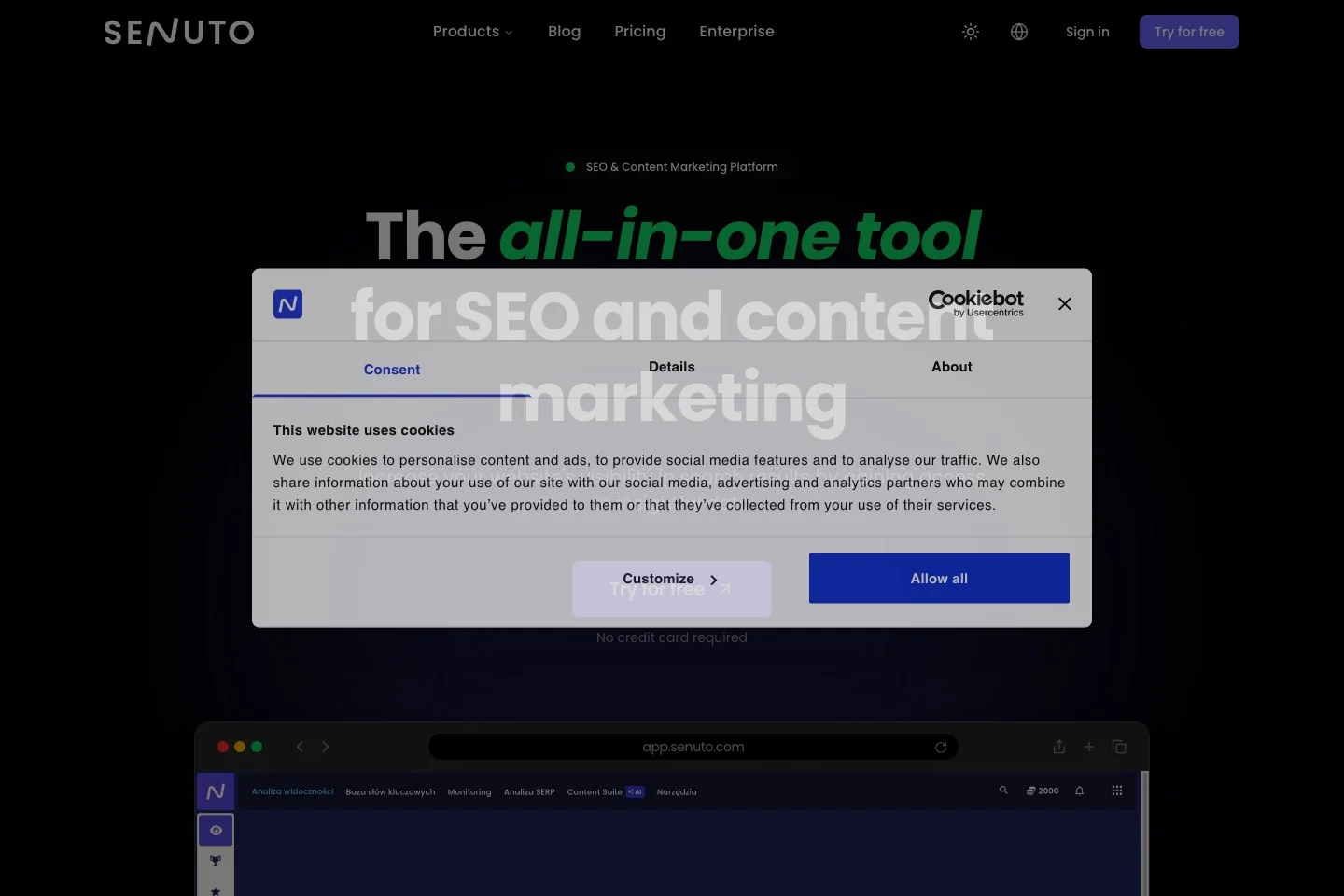
Senuto LLM Monitor was in early access when verified. Its panel described ChatGPT, Gemini, Perplexity and Copilot, with additional AI surfaces referenced through API material. Commercial terms for LLM Monitor were custom; the public price of Senuto’s ordinary SEO plans should not be presented as the monitor’s price. Senuto deserves attention from Polish and CEE teams, but early-access status belongs beside every feature comparison.
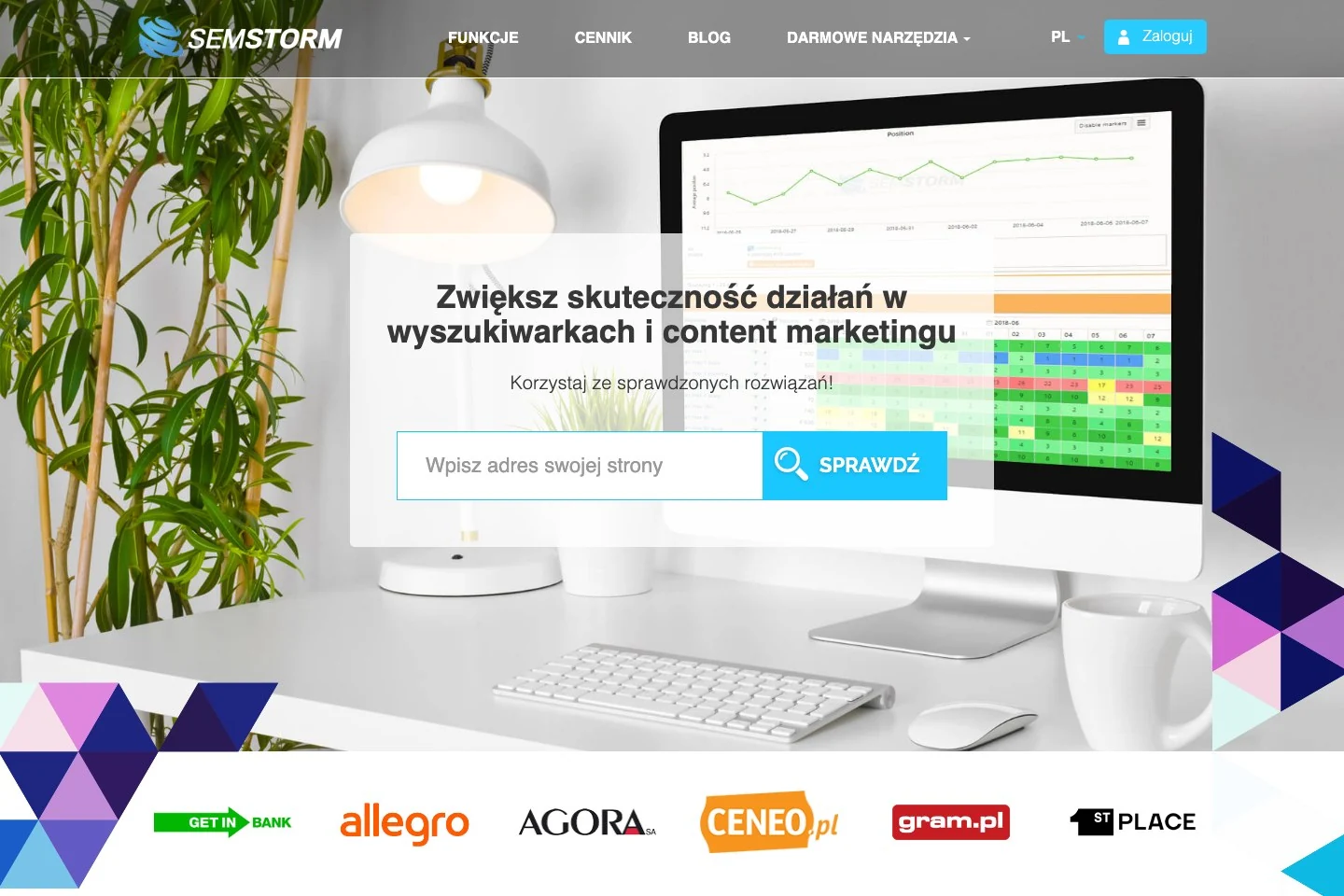
SEMSTORM takes a narrower verified approach: Google AI Overviews and AI Mode inside its SEO monitoring. Its Basic plan was listed at PLN 129 per month with AIO access and 15 AI Mode keywords. That can be exactly right for a Polish SEO team studying how Google’s result page is changing. It should not be described as ChatGPT or Perplexity monitoring unless the vendor adds and documents those surfaces.
“AI visibility” may mean multi-chatbot brand monitoring or generative features inside Google. Buyers must identify the measured surface.
XOVI’s Riva: a standalone product with a deliberately slower cadence
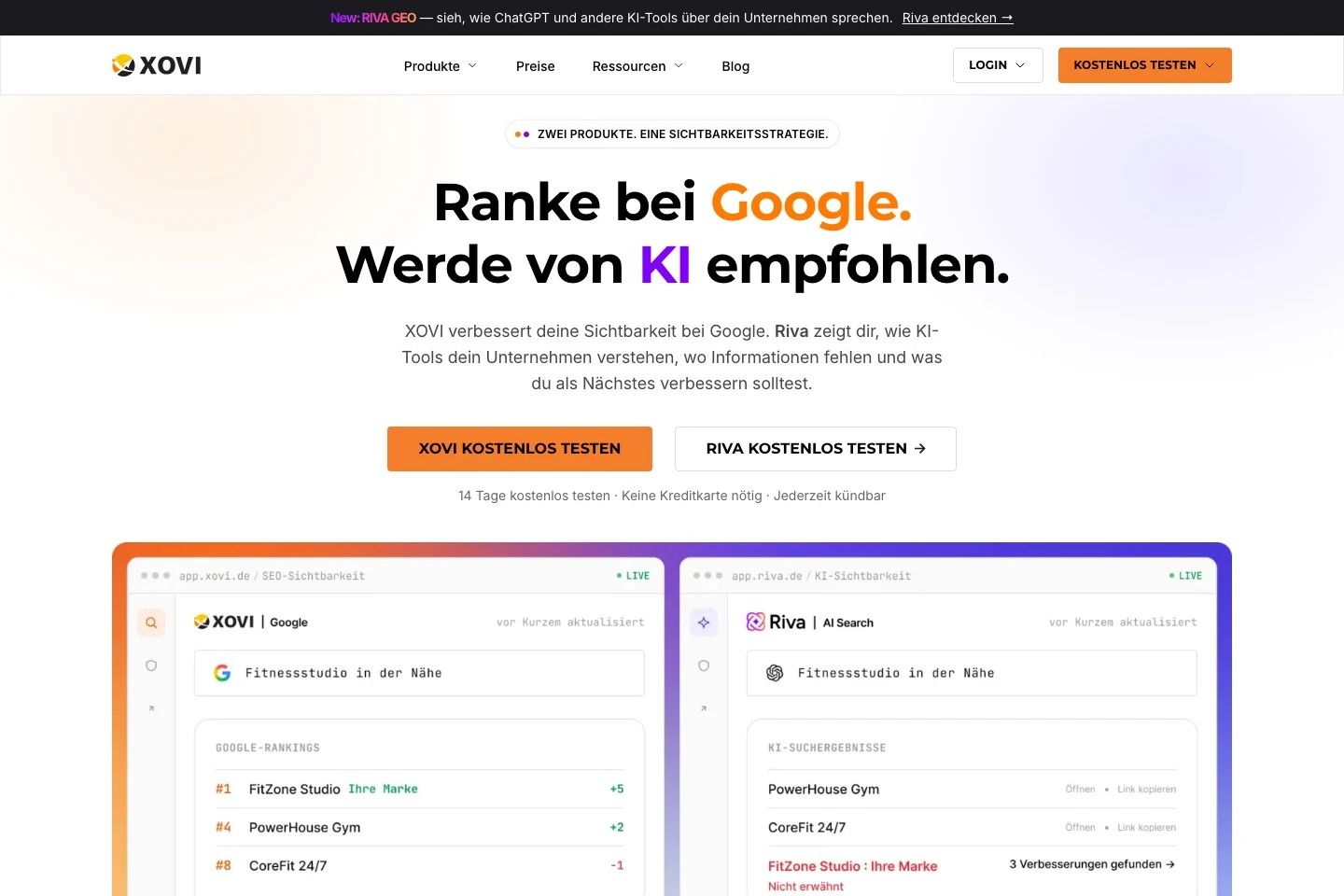
Riva by XOVI is separate from the XOVI SEO subscription. Its researched price was €49 per domain per month, with extra domains at €29, up to three offerings and automatic monitoring every two weeks. ChatGPT was directly documented; the page said other AI tools would follow.
Its fortnightly cadence can suit a periodic audit with unlimited users and white-label reporting. Fast-moving reputation or ecommerce work may require broader engines and more frequent runs.
Keyword.com: the bridge between rank tracking and AI credits
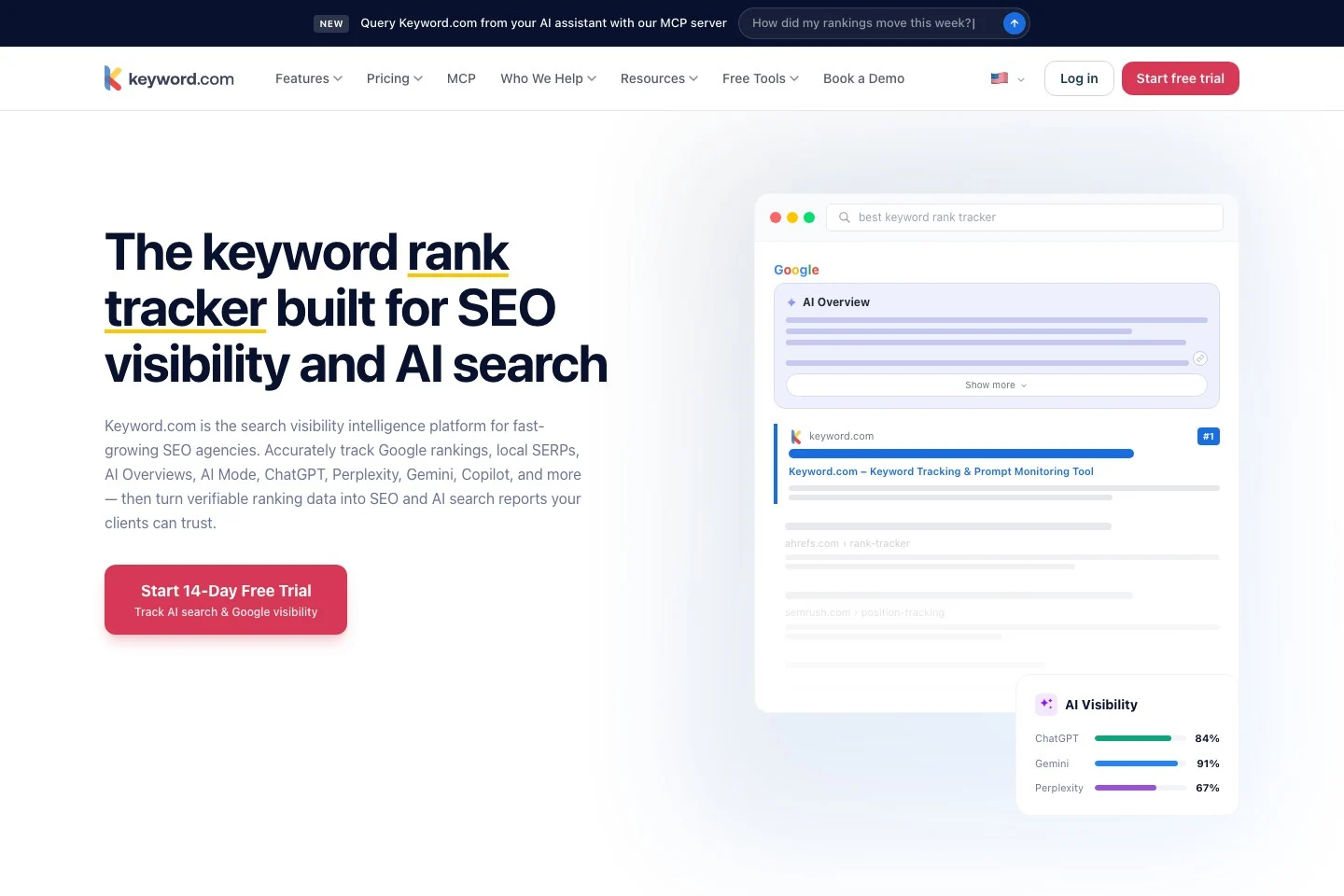
Keyword.com offers separate Search Visibility, AI Visibility and 360° packaging. The selector showed $9.80 per month for AI-only tracking and $33 per month for the combined monthly offer, with lower annualized figures. Those minimums change with the selected quota, so quoting them without the included credit allowance would be incomplete.
The product lists ChatGPT, Gemini, Copilot, Google AI Overviews and AI Mode; its rank tracker includes API, Looker Studio and MCP access. Teams can keep position tracking and add AI credits, but should model prompts, engines and refresh rate first.
Five dimensions that survive vendor changes
Feature grids age quickly. Ask: Evidence: Can you inspect the answer and citations? Coverage: Which engines, countries and languages run on your plan? Sampling: Can you distinguish a trend from model variability? Action: Can a finding move into work without losing provenance? Economics: Is billing based on domains, prompts, responses, models, keywords, projects or shared credits?
Run the same controlled prompts through the shortlist and compare raw evidence. Platforms may calculate visibility, rank and sentiment differently; choose sampling and workflows that make those differences auditable.
For the broader landscape, read our 2026 SEO/GEO monitoring market map, AI visibility pricing comparison, enterprise versus specialist guide, local and commerce tool analysis and multilingual country comparison. The Czech and Slovak tools comparison goes deeper on AmICited, Marketing Miner and Collabim.
 LinkedIn