


- Omnichannel means every channel a customer uses, from website and app to stores, marketplaces and customer service, shares the same inventory, orders and customer data, so the experience continues from one to the next.
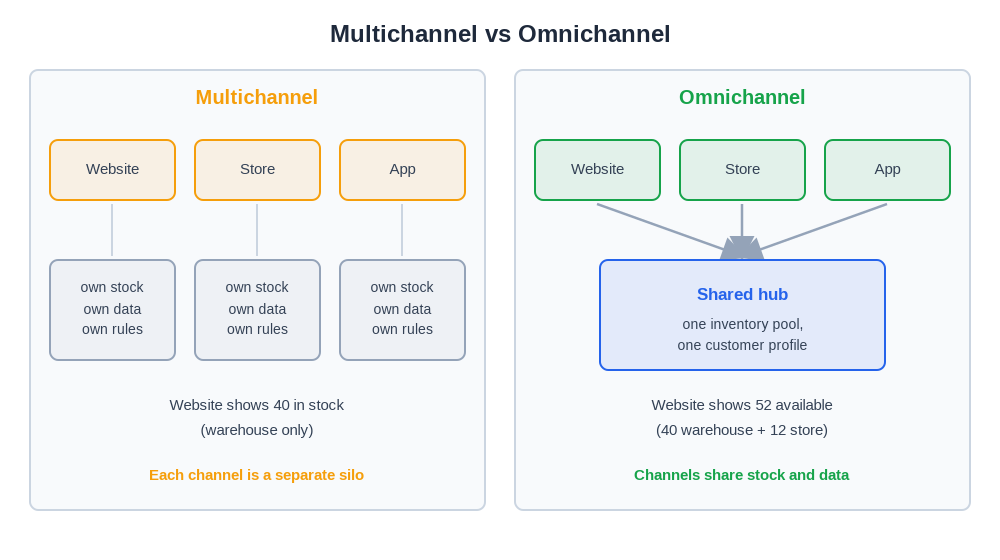
- Multichannel is being present in many places. Omnichannel is connecting them, and unified commerce goes further by running all channels on one platform.
- Typical services built on it: buy online and pick up in store, ship from store, returns in any store and one loyalty account everywhere.
- Fix inventory accuracy first. A store stock button that is wrong half the time does more harm than having no button.
Where AmICited fits
AI assistants are now one more channel where the journey starts. AmICited shows your sessions by channel next to visits from AI assistants, tracks how ChatGPT, Perplexity, Gemini and Google’s AI answers mention your brand, and its revenue attribution report puts ad delivery, shop orders and organic signals in one view.
See cross-source attribution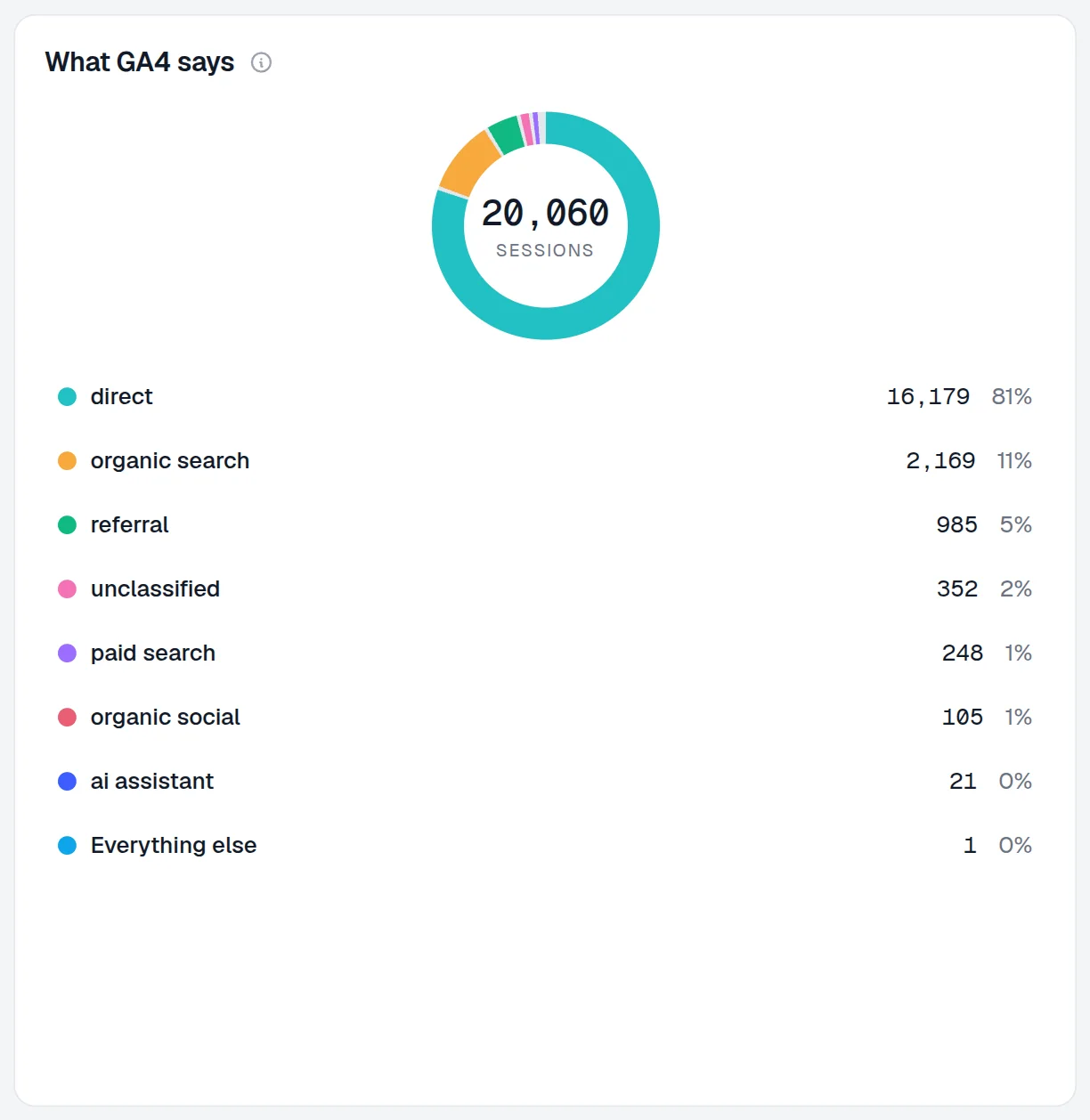
What Is Omnichannel?
Omnichannel is an approach to retail and customer experience in which all channels work as one system. The website, mobile app, physical stores, marketplaces, social shops and customer service share the same inventory, prices, customer profiles and order history. A shopper can start in one channel and finish in another without starting over.
The term is used most in retail, but banks, telecoms and healthcare use it too. In ecommerce it usually shows up as concrete features: real-time store stock on product pages, BOPIS, returns in any store, one loyalty account everywhere. Behind those features sit shared systems, most importantly an order management system and a single source of inventory truth.
How Omnichannel Works
Omnichannel depends on three layers being shared across channels:
- Inventory. Every location’s stock (warehouse, stores, sometimes suppliers) is visible in one pool, so any channel can sell or promise it.
- Orders. Orders from any channel go into one system that decides where to fulfill them and tracks them to delivery and return.
- Customers. One customer record links online purchases, in-store purchases, service conversations and loyalty data.
A simple example shows why the inventory layer matters. Say a product has 40 units in your warehouse and 12 in a store. In a multichannel setup where the website only sees the warehouse, the site shows 40 available. If the warehouse runs out, the site shows “out of stock” even though 12 units are sitting on a shelf. In an omnichannel setup:
Sellable inventory = Warehouse stock + Store stock available to online orders = 40 + 12 = 52
The site can show 52, offer store pickup for the 12, and route online orders to the store when the warehouse runs out. In practice, retailers hold back a buffer of store stock for walk-in customers, so the online figure is often a little lower than the full count.
Omnichannel Examples
These are the omnichannel services shoppers run into most often:
- Buy online, pick up in store. The shopper orders on the site and collects the same day from store stock.
- Ship from store. Online orders are fulfilled from the nearest store’s shelves instead of the warehouse, which speeds up delivery and sells store stock.
- Endless aisle. Store staff use a tablet or kiosk to order an item that’s out of stock in the store for home delivery.
- Returns anywhere. Online orders can be returned in any store, and the refund goes back to the original payment method.
- One loyalty account. Points, purchase history and preferences follow the customer across the app, the site and the till.
- Clienteling. Store staff see a customer’s online wishlist and past purchases and can recommend accordingly.
Each one depends on the shared inventory, order and customer layers described above.
Omnichannel vs Multichannel vs Unified Commerce
| Single-channel | Multichannel | Omnichannel | Unified commerce | |
|---|---|---|---|---|
| Channels | One | Several | Several | Several |
| Shared inventory | n/a | Rarely | Yes | Yes, in one platform |
| Shared customer data | n/a | Rarely | Yes, through integrations | Yes, natively |
| Cross-channel journeys (e.g. buy online, return in store) | No | Limited | Yes | Yes |
| Typical tech | One store platform | Separate tools per channel | Integrated OMS, POS, ecommerce, CRM | One commerce platform for all channels |
Multichannel ecommerce is about being present in many places. Omnichannel is about connecting them. Unified commerce is the next step that some vendors promote: running all channels on one platform instead of integrating separate systems. The labels matter less than the test: can a customer move between your channels without friction, and can you see their whole journey?

Stay Updated on AI Visibility Trends
Get the latest insights on AI mentions, brand monitoring, and optimization strategies.
Omnichannel and AI Search
AI assistants have become one more place where the journey starts. A shopper may ask ChatGPT, Perplexity or Google AI Mode which brand to buy, then go to your website, then pick up in store. In an omnichannel model, that AI answer is a touchpoint like any other, even though it doesn’t show up in your POS or your ad platform.
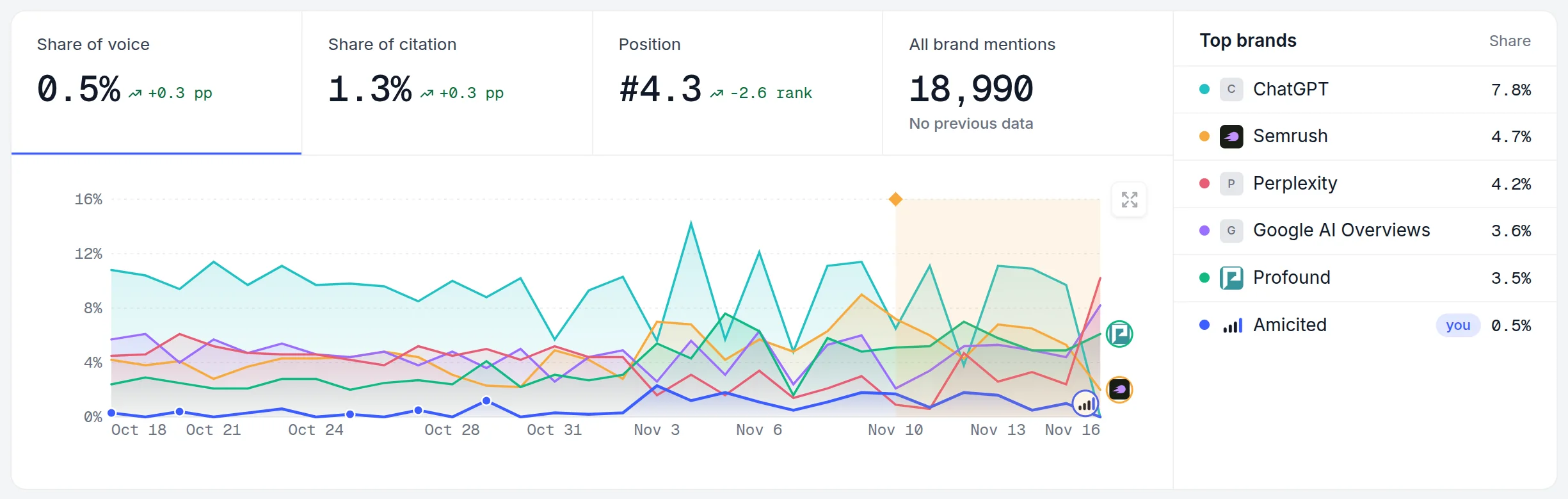
Two things follow. First, the information AI answers repeat (prices, availability, store services, return policy) should match what each channel actually offers. Second, it’s worth measuring: tracking how AI engines mention your brand alongside a cross-channel attribution view of your sales, such as AmICited’s cross-source revenue attribution report, gives a fuller picture of where demand really comes from.
Best Practices for Omnichannel
- Fix inventory accuracy first. Omnichannel features built on wrong stock counts create more problems than they solve.
- Start with one journey. BOPIS or returns in store are common first steps; get one working well before adding more.
- Unify the customer record. Link online accounts, loyalty IDs and in-store purchases so you can see the customer journey end to end.
- Give store staff the same view. Staff who can see online orders and stock in other locations can save sales.
- Keep prices and promotions consistent, or explain clearly when they differ by channel.
- Measure by customer, not by channel. Customers who use several channels often spend more; channel-by-channel reporting can hide that.
Common Omnichannel Mistakes
The most common mistake is launching omnichannel features on the front end without the systems behind them. A “check store stock” button that’s wrong half the time is worse than no button. Another is setting up channel teams with separate targets, so the store team resists online returns and the ecommerce team ignores store pickup, because each one hurts their own numbers.
Businesses also underestimate operations. BOPIS and ship-from-store add picking work to store staff, and without clear processes, orders sit unpicked. Finally, many measure omnichannel success only by online revenue, missing the in-store sales and loyalty that cross-channel journeys create.